
A review of 42 development bank projects found a median benefit-cost ratio of 2.1 for climate adaptation investments in emerging markets, Swiss Re Institute research found.
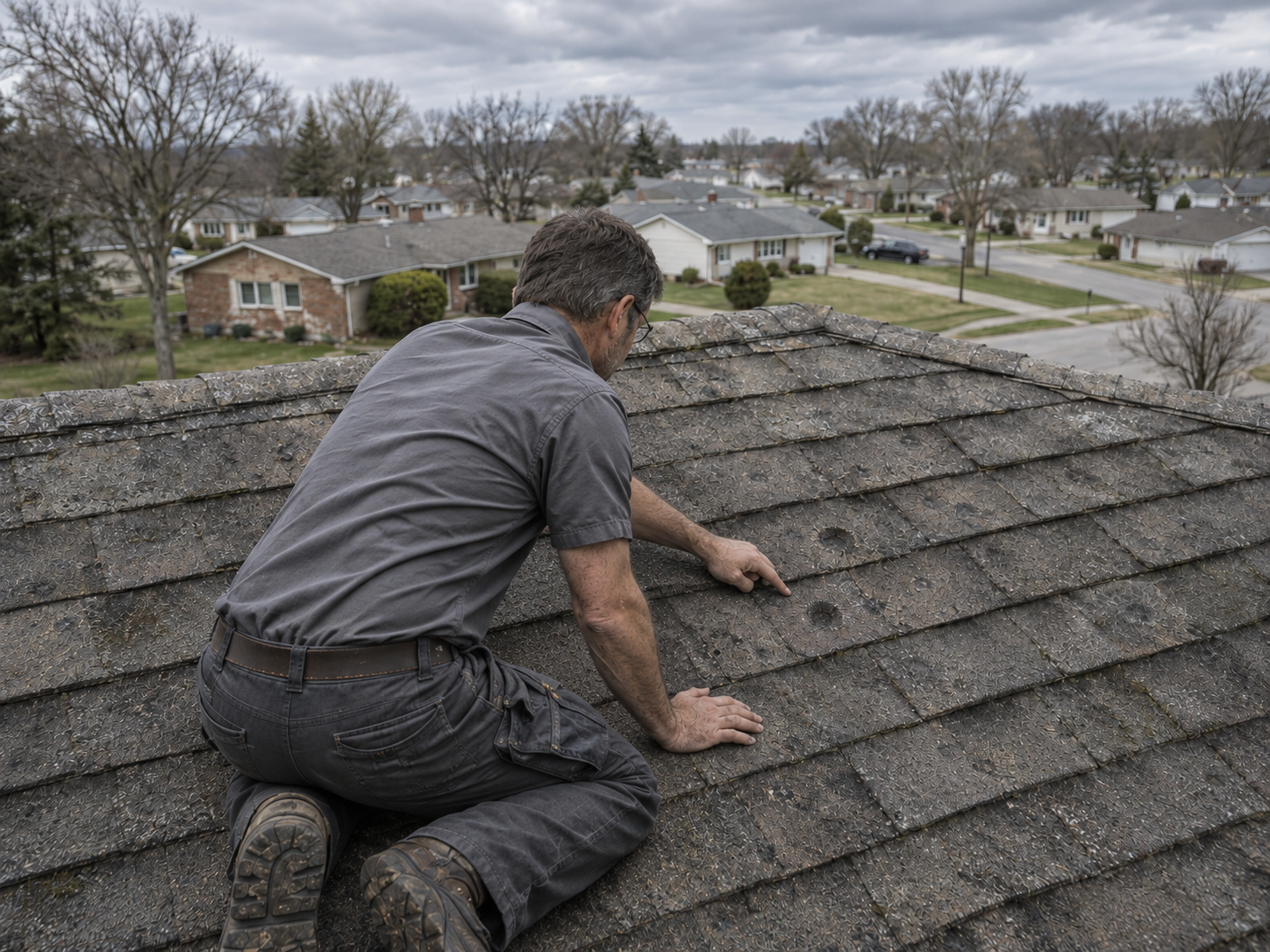
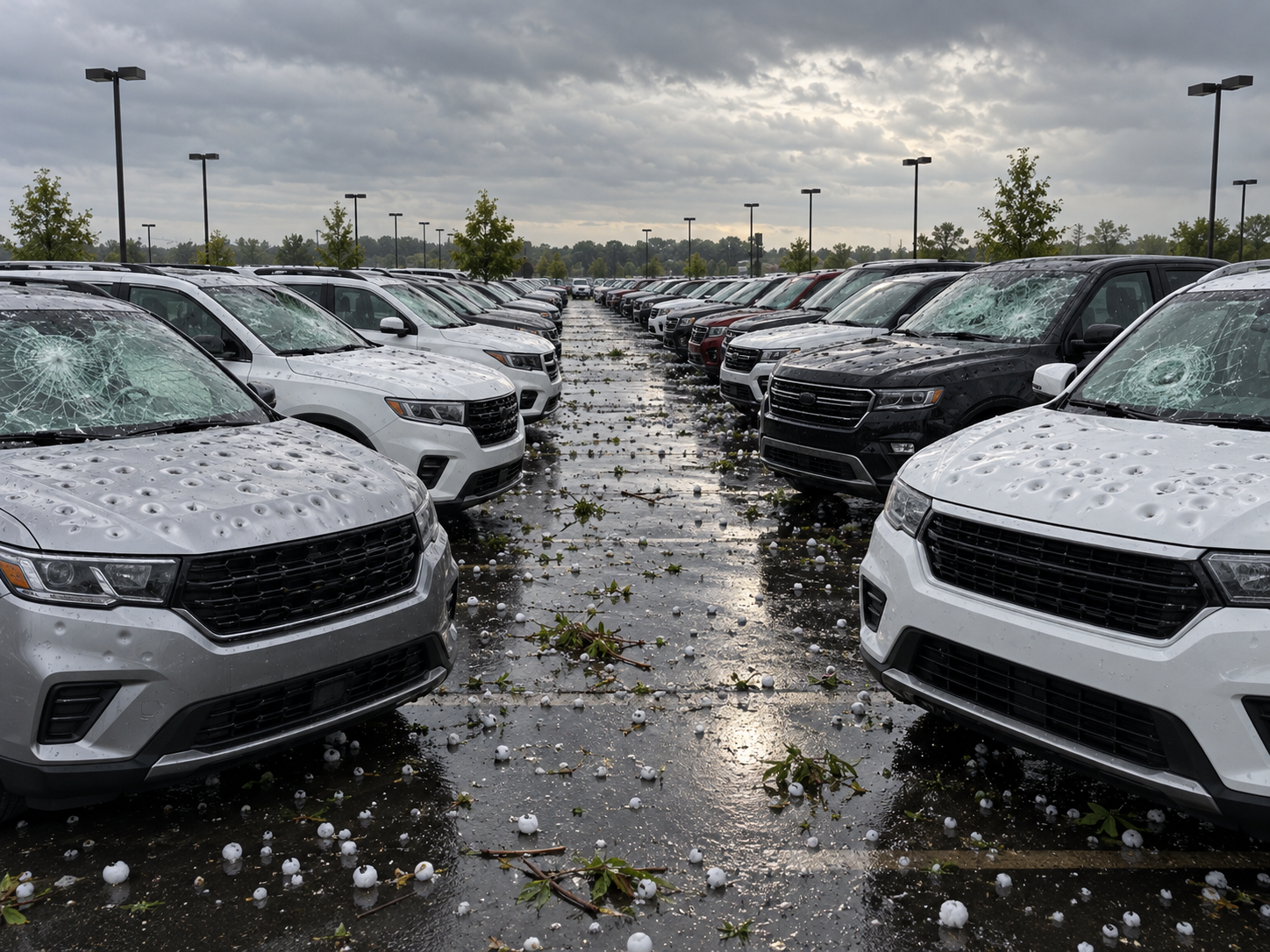
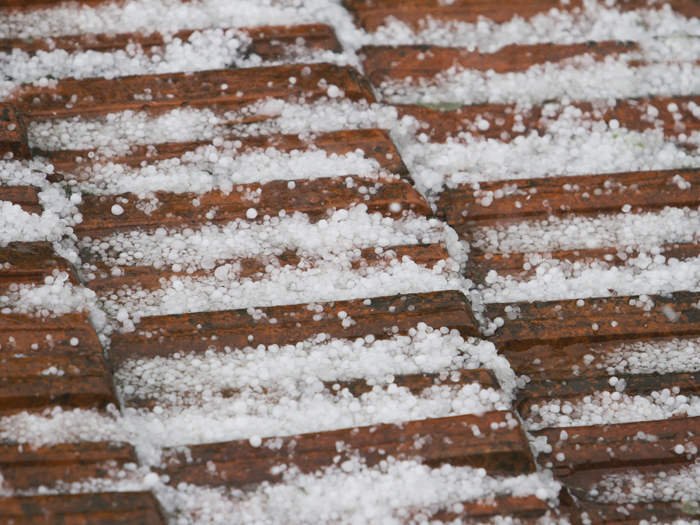
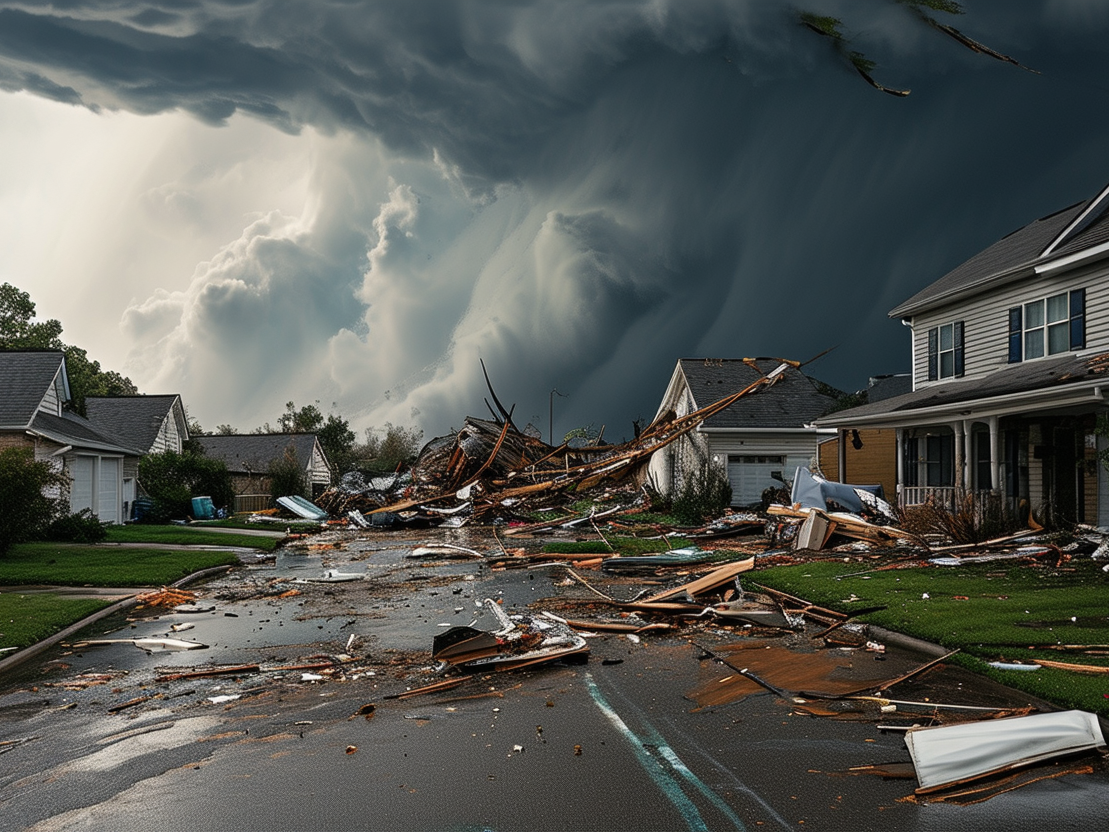
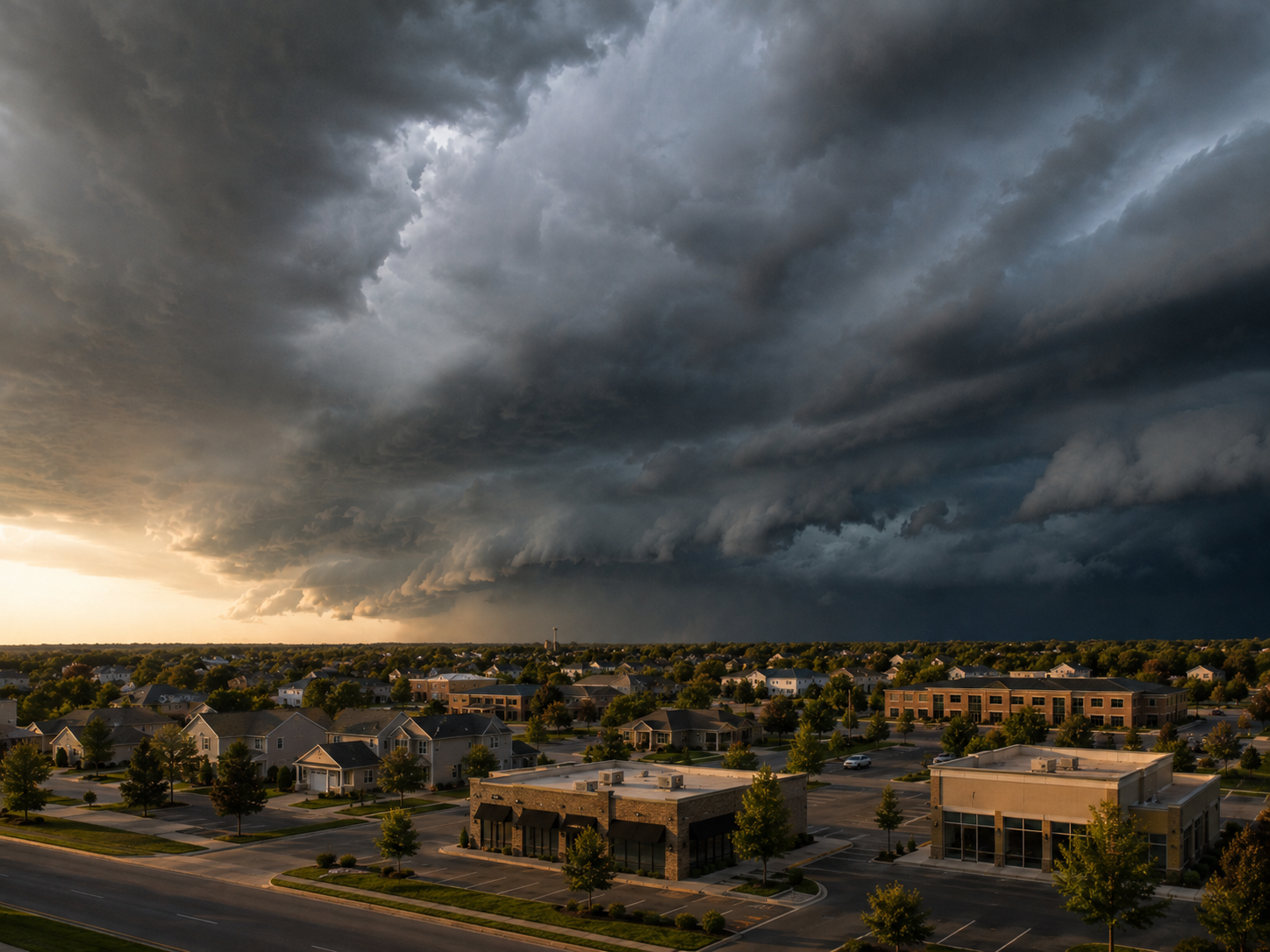
Hail, wildfire, winter storm and inland flood have outgrown their ‘secondary’ label, driving the majority of North American insured catastrophe losses in most years, according to Marsh Re.
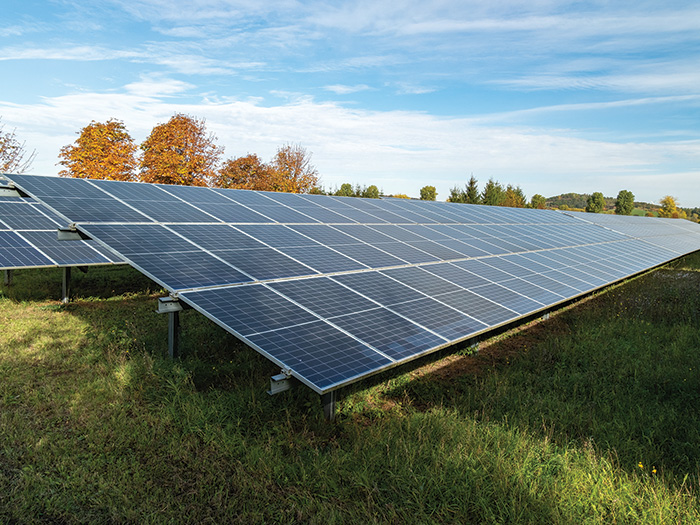
Hail-stow automation, fuse installations and controlled shutdowns each prevented significant damage to renewable energy assets during severe weather and equipment failures, according to kWh Analytics.
Global economic losses from natural catastrophes reached $242 billion through the first nine months of 2026, well below the decadal average, as Gallagher Re reported six consecutive quarters without a single $10 billion insured-loss event.
A well-fortified property can still be exposed to loss if the surrounding drainage, vegetation or infrastructure fails, the World Economic Forum and Marsh found in a new playbook on place-based resilience.
Eighty-four percent of Americans are concerned about severe weather while just 11% feel highly prepared, a preparedness gap that widens in the highest-risk regions, according to COUNTRY Financial.
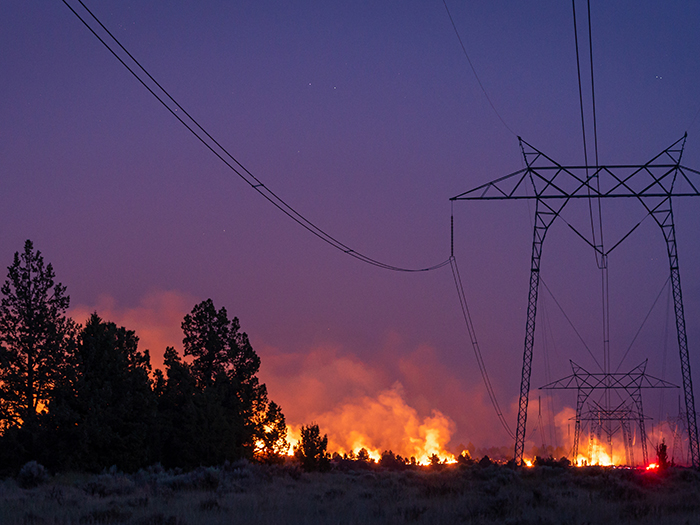
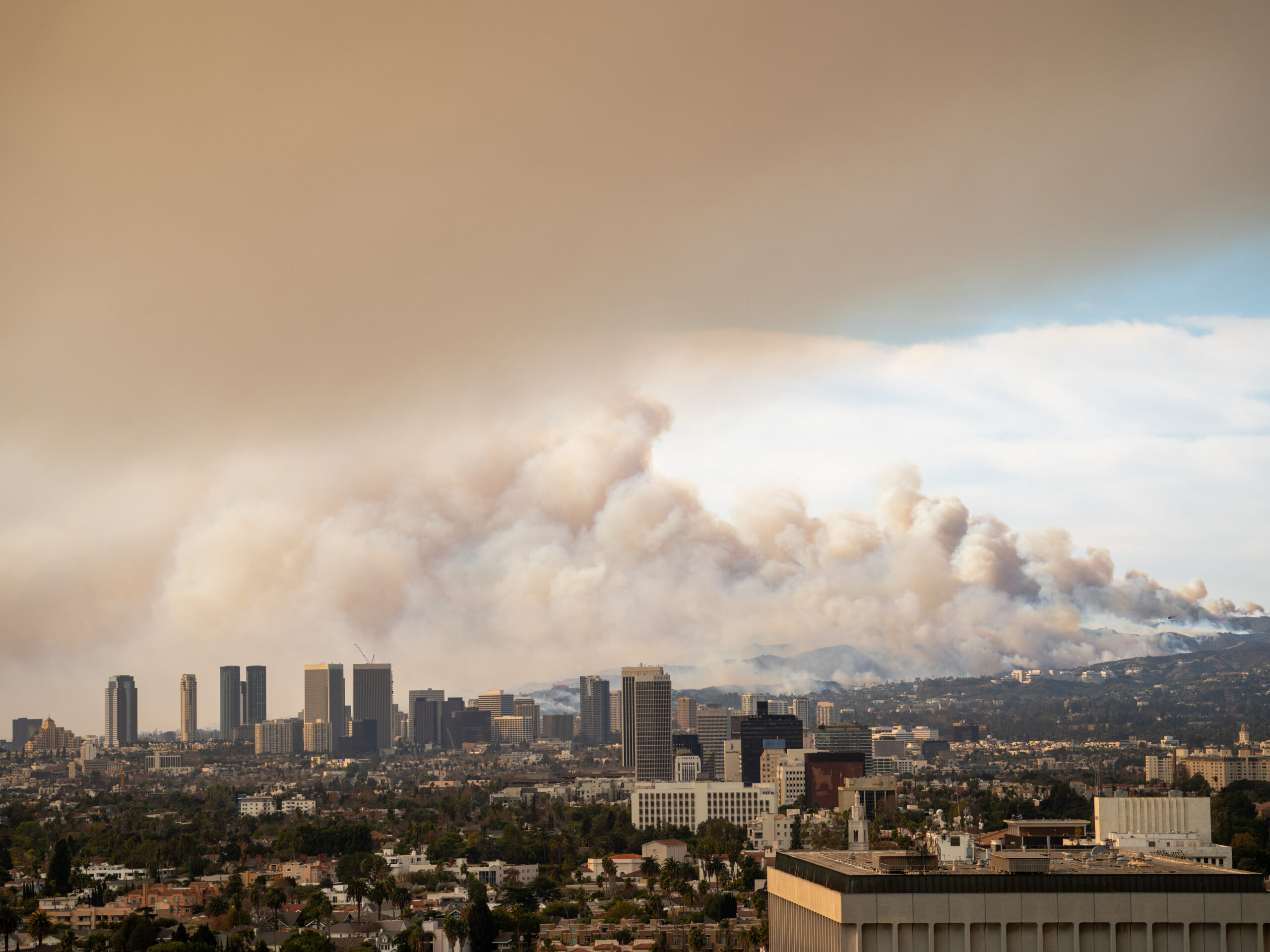
While wildfires present a direct threat to communities and businesses in the vicinity of the fires, smoke can travel hundreds or thousands of miles, as seen in this year’s fires.
Nearly 25% of claims adjusters are expected to retire by the end of 2027 while carriers struggle to scale AI and manage escalating catastrophe losses, according to Sedgwick.
Rising exposure, demand surge and climate shifts are pushing the global insured average annual loss from natural catastrophes to $171 billion, according to Verisk.
Only about half of companies assess supplier risk exposure and roughly one-fifth have a climate adaptation plan, leaving hidden vulnerabilities buried deep in value chains, according to Deloitte.
Natural disasters caused an estimated $112 billion in losses in the first half of 2026, with only $44 billion insured, leaving a 60% protection gap, according to Munich Re.
Asset managers and insurance focus on single-asset risk scores while missing the hidden dependencies between buildings, infrastructure networks, and communities.
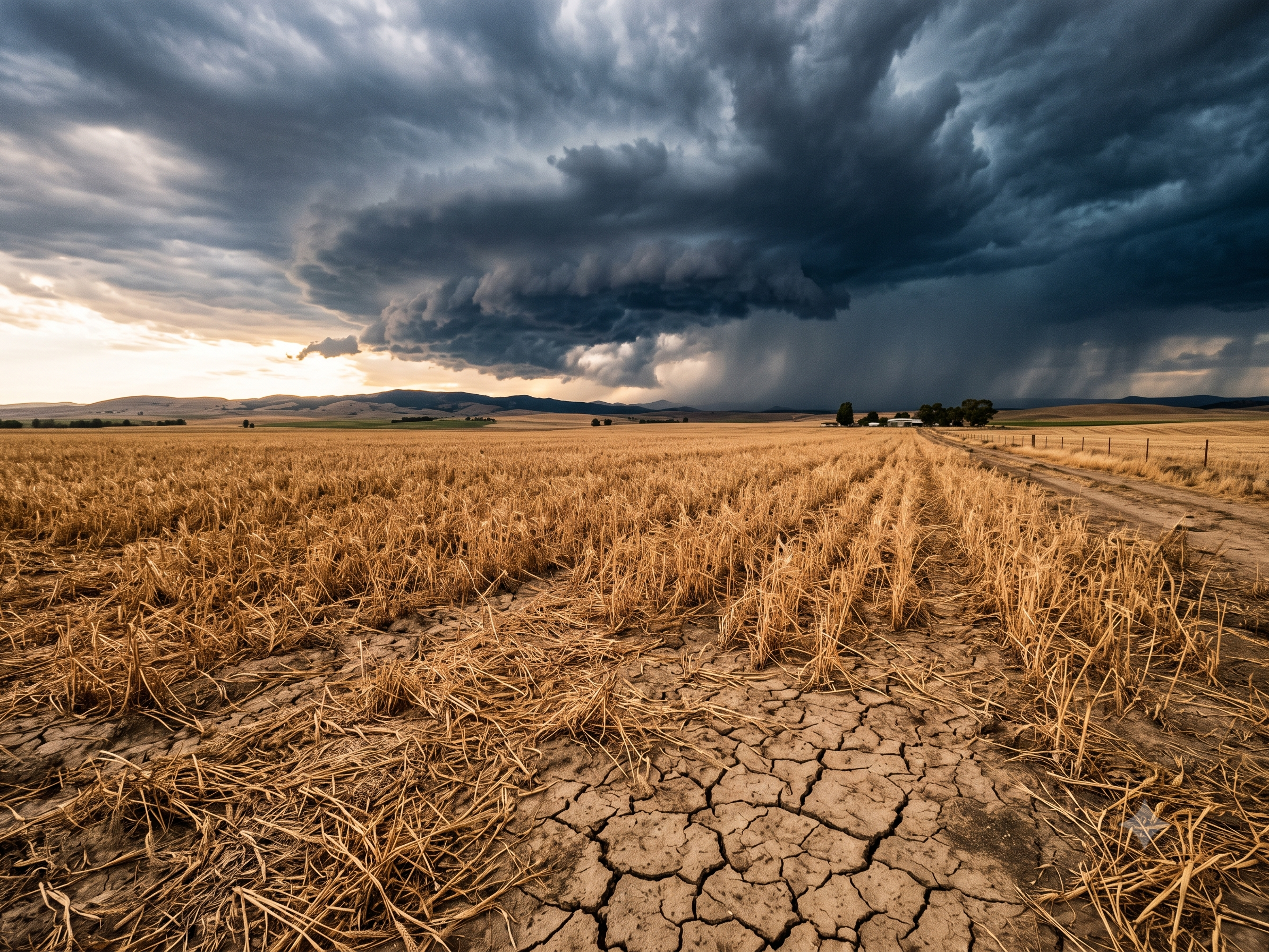
A potentially historic El Niño event already intensifying dry conditions across the central U.S. could trigger a ‘mini-Dust Bowl’ in the years ahead, according to AccuWeather.
Average roof age varies by nearly a decade across U.S. states, and chronic climate conditions — not just catastrophic events — are driving accelerated replacement cycles, Nearmap reports.
From cyber threats to workforce challenges, business leaders face a growing list of risks. A new report from The Hartford highlights where concerns are bubbling up and how companies can respond.
Risk has become a persistent feature of the business environment rather than an occasional disruption, according to Gallagher’s 2026 Business Owners Survey.
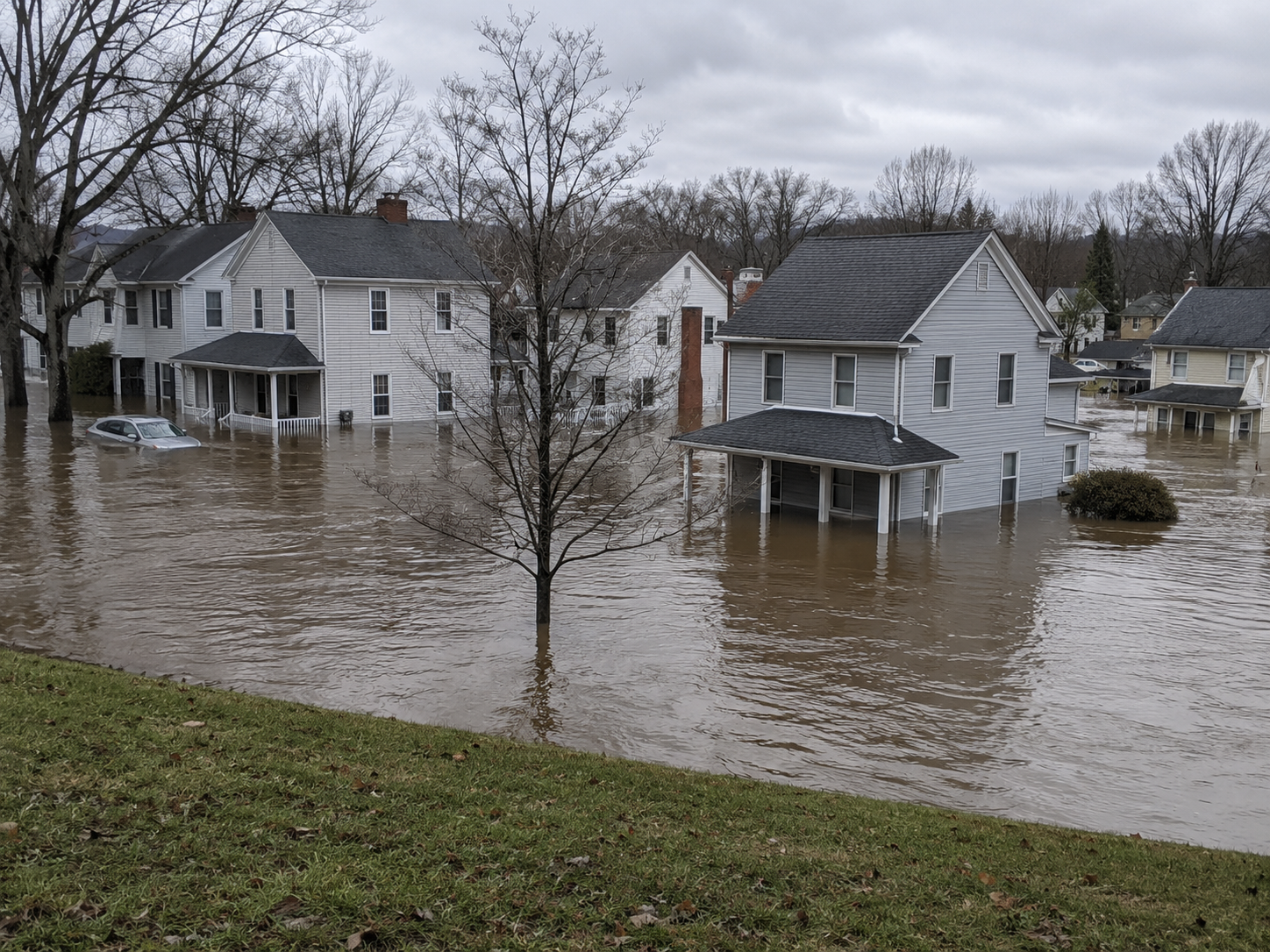
Uninsured residential flood losses could range from $375 billion to more than $1 trillion depending on event severity, with protection gaps of about 65% or higher: Moody’s Ratings.