Newsletters
 Risk Central
 Digital Edition
Most Americans Worry About Severe Weather, But Few Feel Ready For It
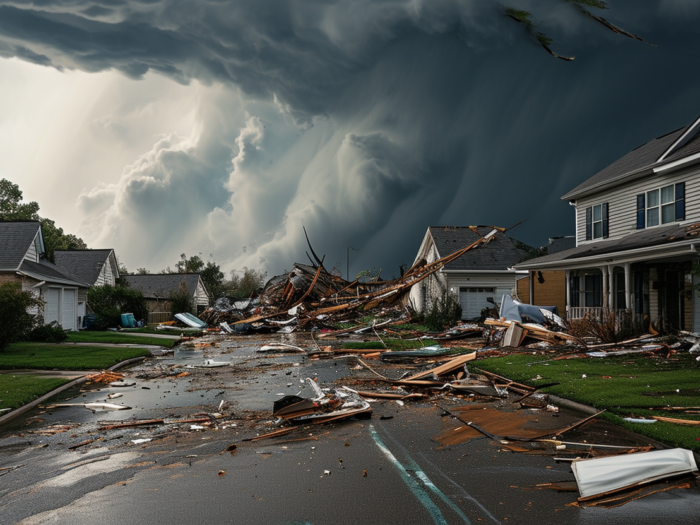
Severe weather has become a near-universal source of concern for U.S. households, with 84% of adults worried their community will experience a severe weather event or natural disaster in the next 12 months, according to a survey report from COUNTRY Financial.
Despite the level of concern, only 11% of respondents said they feel highly prepared to handle such an event, and 98% believe severe weather poses at least some degree of risk to their lives today. Concern is highest in the South, at 90%, compared with 78% in the Northeast, 85% in the Midwest and 79% in the West. Among COUNTRY Financial’s key markets, Wisconsin (93%), Illinois (92%) and Alabama (91%) reported the highest levels of concern, the report found.
Half of Americans, 50%, said severe weather or disaster risk in their community has increased over the past five years, and 58% agreed that such risk “feels like a growing part of everyday life” where they live, rising to 66% in the Deep South and California. The financial toll is already widespread: 97% of households reported some degree of financial strain from weather-related costs, led by higher utility bills from extreme temperatures (64%) and rising insurance costs (61%). Sixty-one percent said severe weather is “an increasing financial threat” to their household.
Preparedness Rooted In Everyday Resources, Not Long-Term Planning
Rather than investing in disaster-specific resilience, most Americans lean on general household resources, the report said. Insurance coverage (52%), emergency kits (46%) and extra cash (41%) were the most commonly held preparedness assets, while home hardening updates (18%) and written evacuation plans (13%) lagged far behind, according to the report. On average, Americans hold just 2.7 preparedness assets, and general household resources outpace disaster-specific investments, 44% to 21%.
A similar pattern emerged in day-to-day behavior. Checking forecasts (53%) and monitoring alerts (52%) were the most common actions taken, while building an emergency fund for disasters (26%) and reviewing insurance coverage (24%) trailed well behind, with immediate response and awareness actions outpacing long-term resilience efforts, 48% to 25%. The report also identified a gap between ownership and upkeep: 46% of Americans currently own an emergency kit, but only 26% actively maintain one, a 20-point gap. Similarly, 52% have insurance coverage, but only 24% have recently reviewed it, a 28-point gap.
Financial Aftermath Worries Americans As Much As The Storm Itself
Three-quarters of U.S. households, 75%, agreed that the financial aftermath of a severe weather event worries them as much as the event itself, a figure that climbed to 89% in the Deep South. Despite this, 79% said their homeowners’ or renters’ insurance would cover most disaster-related damage they might face. That confidence stands in contrast to the financial cushion many households actually hold: 32% said it would be difficult to cover an unexpected $500 expense, rising to 47% for $1,000, 63% for $2,500 and 83% for $10,000, according to the report.
Among insured homeowners and renters, 51% said they would rely on emergency savings to cover an insurance deductible after severe weather, nearly matched by the 48% who said they would use a credit card. Twenty-five percent said they would turn to government or disaster assistance. Separately, 65% of Americans said they could not cover the cost of repairing their home if it were damaged by severe weather, and 71% worried that rising insurance premiums tied to weather risk would make their housing costs unaffordable.
Trust In Emergency Response Outpaces Confidence In Long-Term Resilience
Americans expressed strong trust in immediate disaster response: 80% trust local emergency services and 77% trust neighbors to help during a crisis, according to the report. But confidence dropped when it came to long-term readiness, with 55% saying they worry their community isn’t prepared for the severity of future weather events.
Confidence in community preparedness measures averaged 76% for emergency response actions, such as reliable alerts and shelters, but fell to 64% for longer-term resilience measures such as public investment in disaster resilience (59%) and support for vulnerable residents (64%).
Looking ahead, 79% of Americans said they are likely to take actions that strengthen existing preparedness, such as maintaining an emergency kit or reviewing insurance coverage, compared with 58% who plan to build long-term resilience through steps such as home improvements for weather protection or discussing preparedness with local leaders, the report found.
Obtain the full report here. &