Despite predictions of reduced storm activity in 2026, Allianz Commercial warns that a below-average forecast has rarely guaranteed a below-average loss year.
From modeling collaborations to research consortia, the insurance industry helps insureds prepare for fire and flood, no matter which way the political wind is blowing
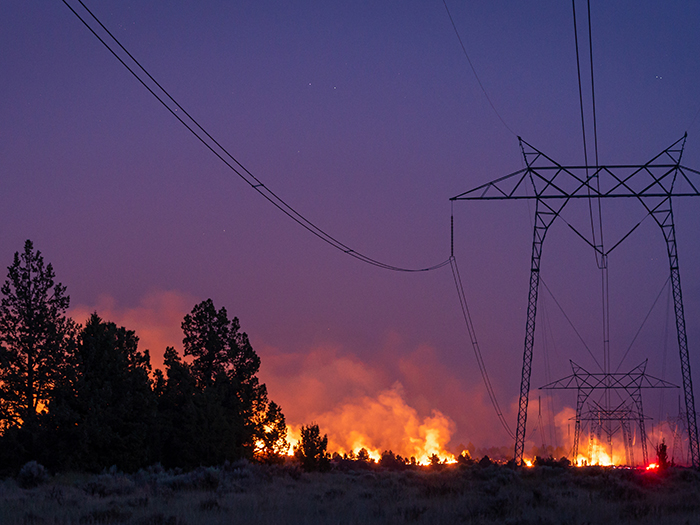
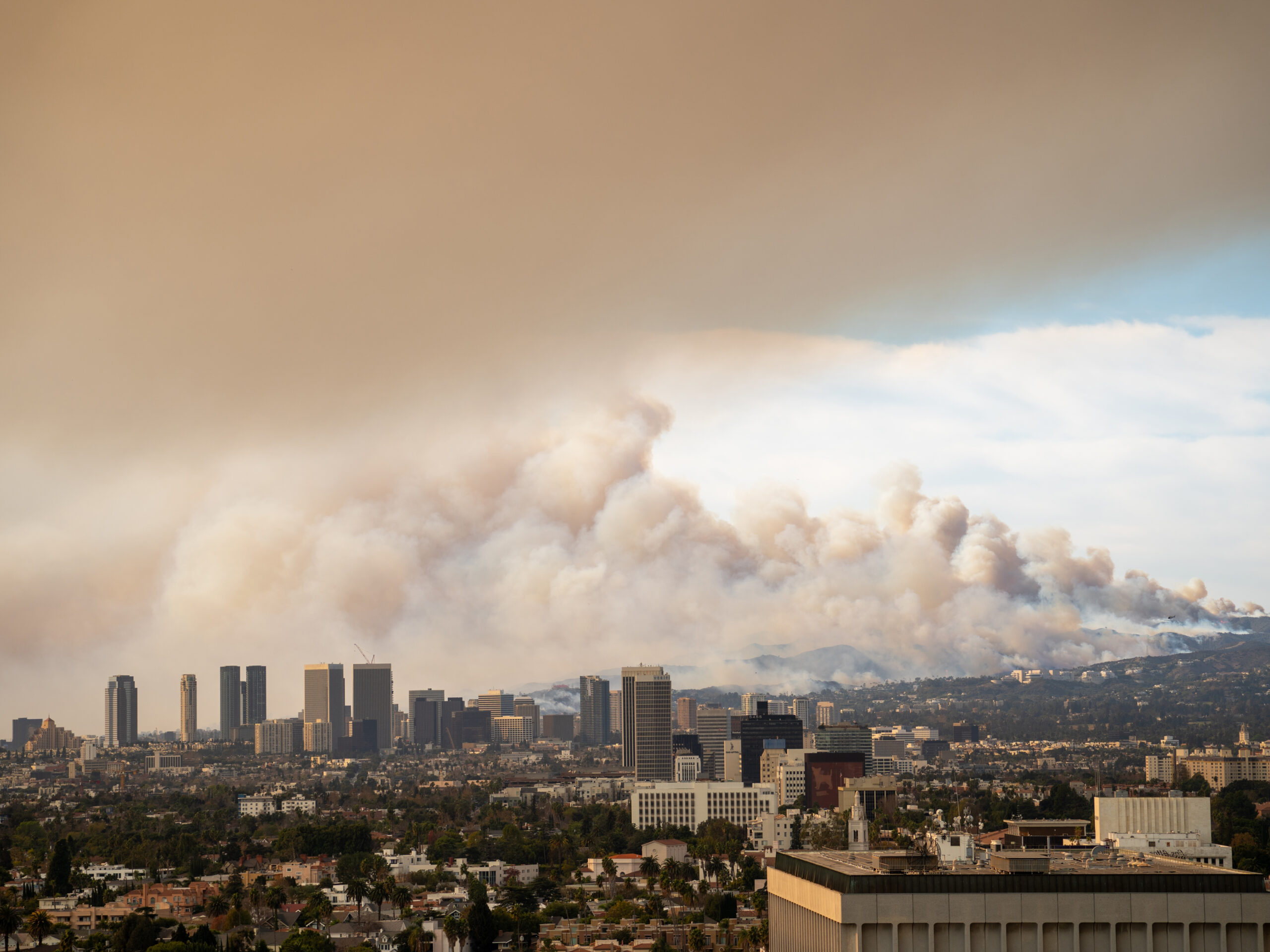
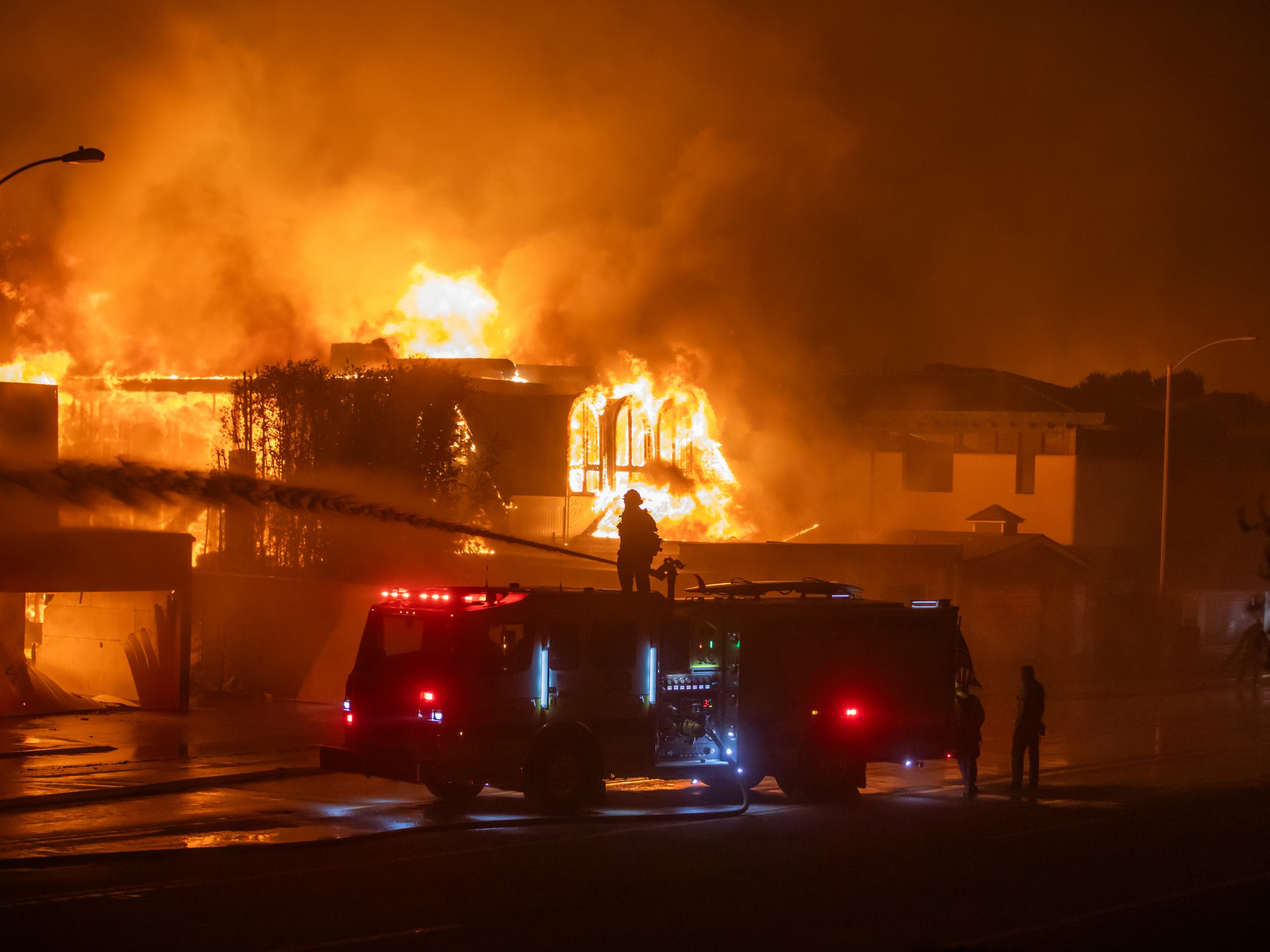
Wildfires and severe convective storms accounted for 99.9% of North America’s $90 billion in natural catastrophe insured losses, according to Swiss Re data.
A global survey of C-suite leaders found that 87% expect commercial insurance to become increasingly strategic over the next three years, according to a report from the Worldwide Broker Network and MarshBerry.
Geoeconomic confrontation, cyberattacks, extreme weather and aging systems are amplifying risks across essential infrastructure networks, according to a Gallagher report.
Global insured losses from natural disasters totaled $20 billion in the first quarter of 2026 — 26% below the 10-year average — according to Gallagher Re’s latest Natural Catastrophe and Climate Report.
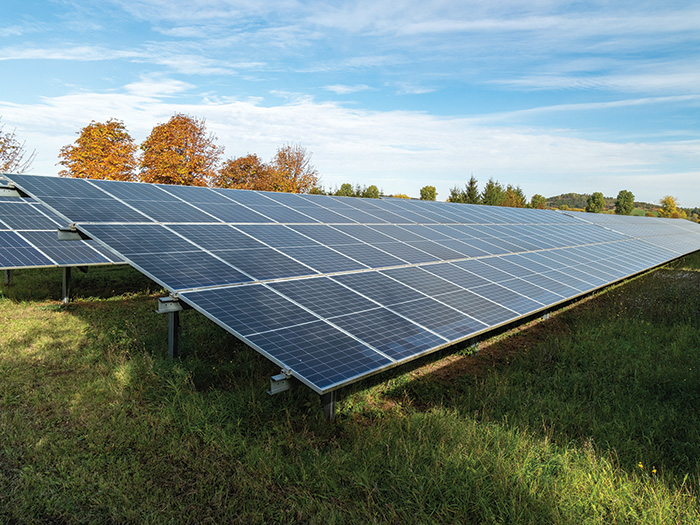
The rapid expansion of solar photovoltaic farms into hail-prone regions is creating new underwriting challenges that demand better risk modeling and mitigation strategies, according to Gallagher Re and AXIS.
A report by the California Earthquake Authority concludes that the state’s current systems for managing wildfire risk are failing ratepayers, insurance policyholders, and disaster survivors.
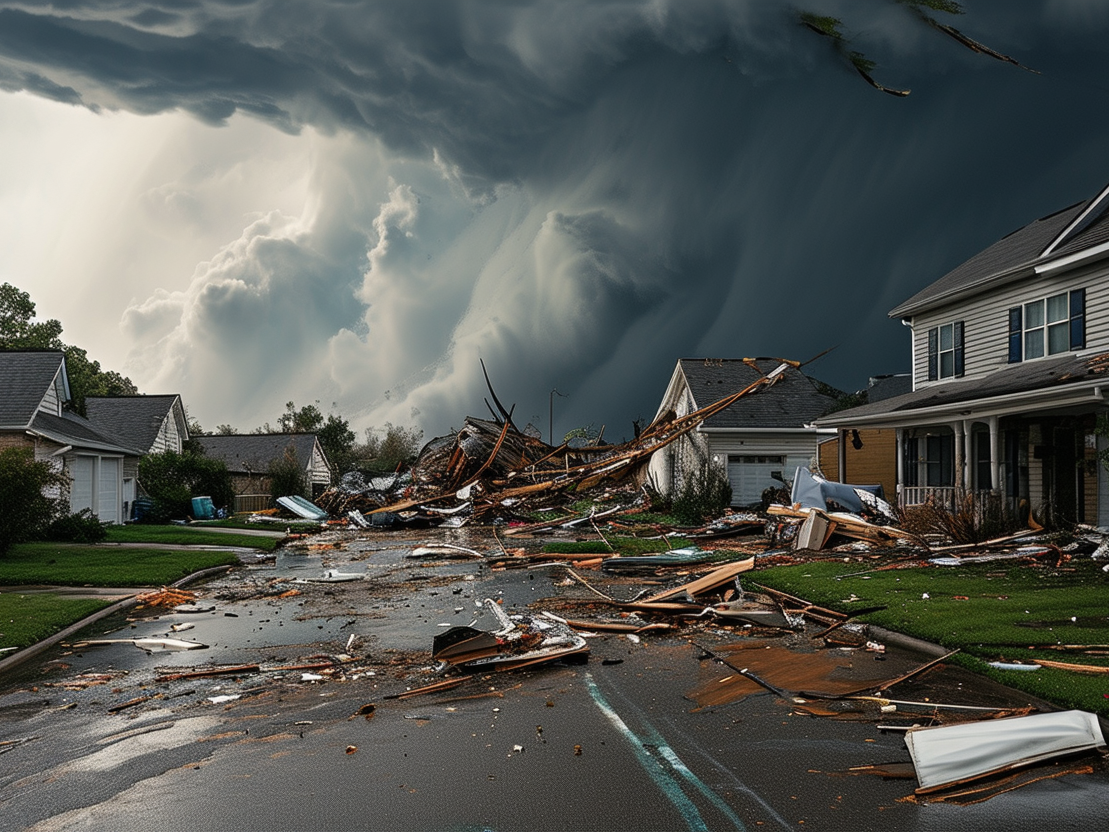
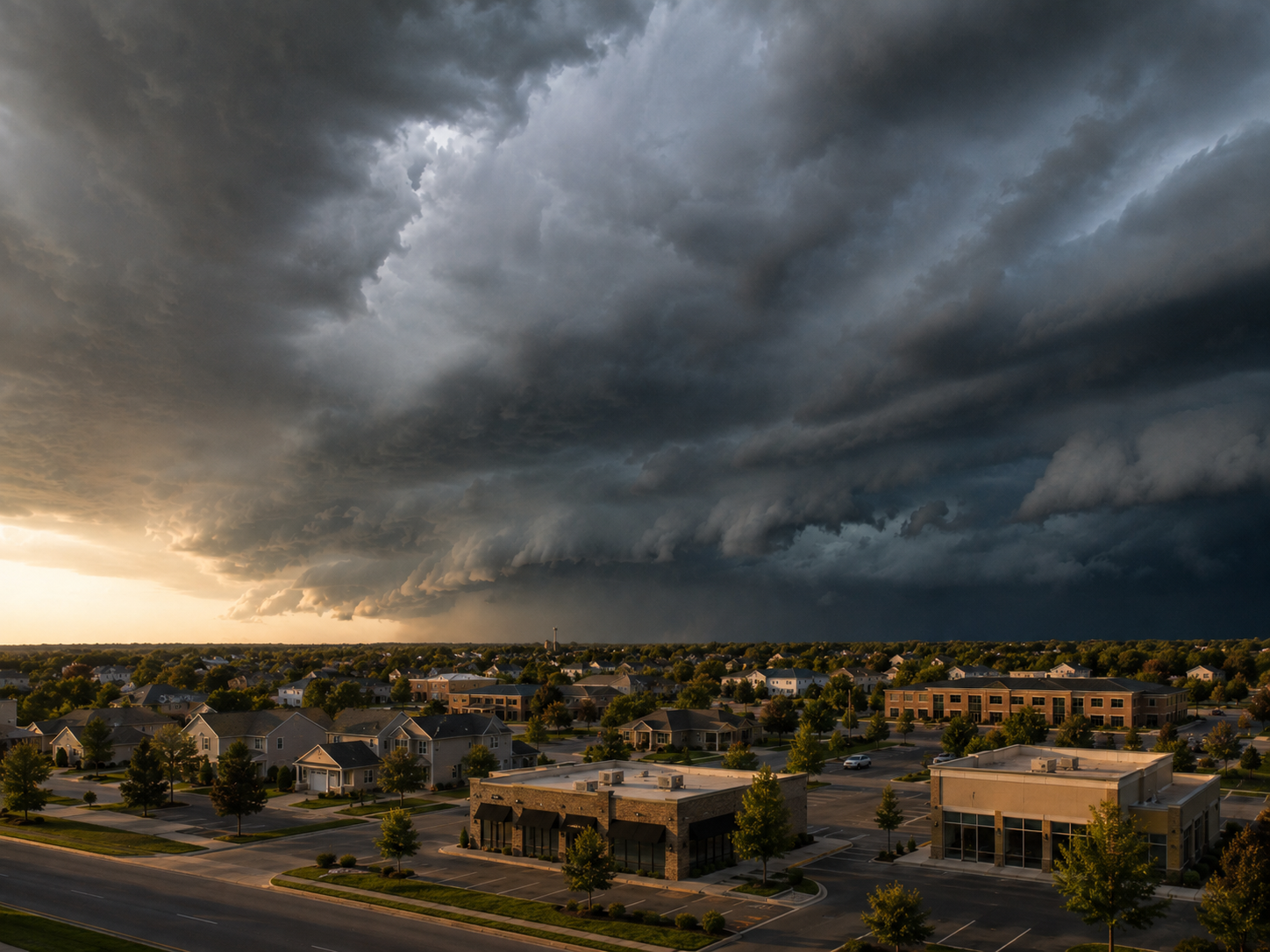
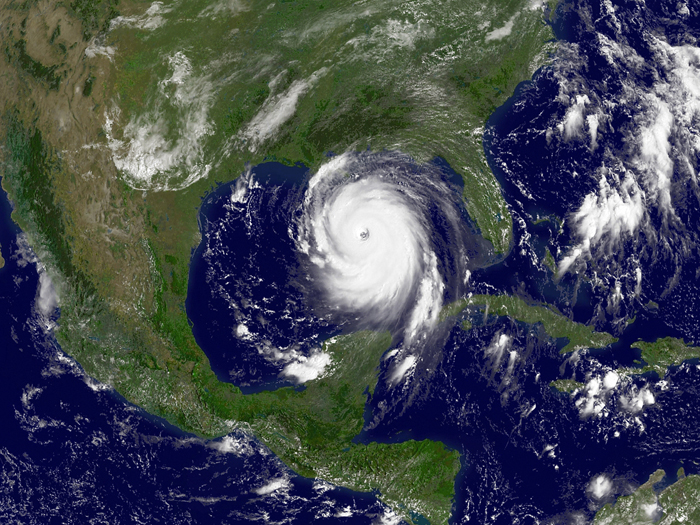
Cumulative losses from severe convective storms now exceed those from hurricanes, challenging the traditional classification of these events as ‘secondary perils,’ according to Allianz Commercial.
Secondary perils accounted for a record 92% of global insured natural catastrophe losses in 2025, and trend-line projections point to $148 billion in 2026, according to Swiss Re Institute.
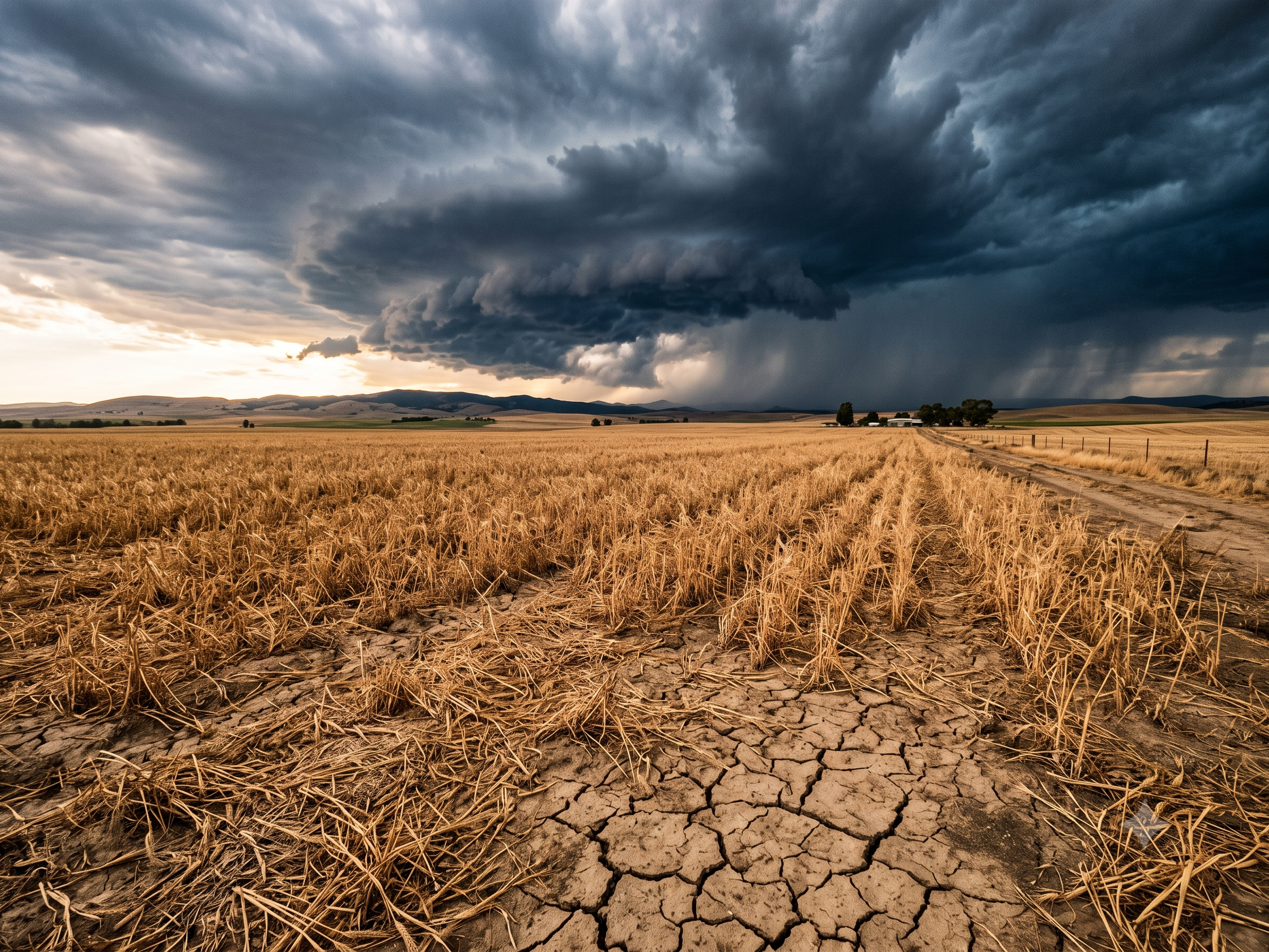
The 2026 FM Resilience Index reveals that emerging physical risks — particularly water stress and fire hazards — are creating blind spots for businesses planning expansion and operations.
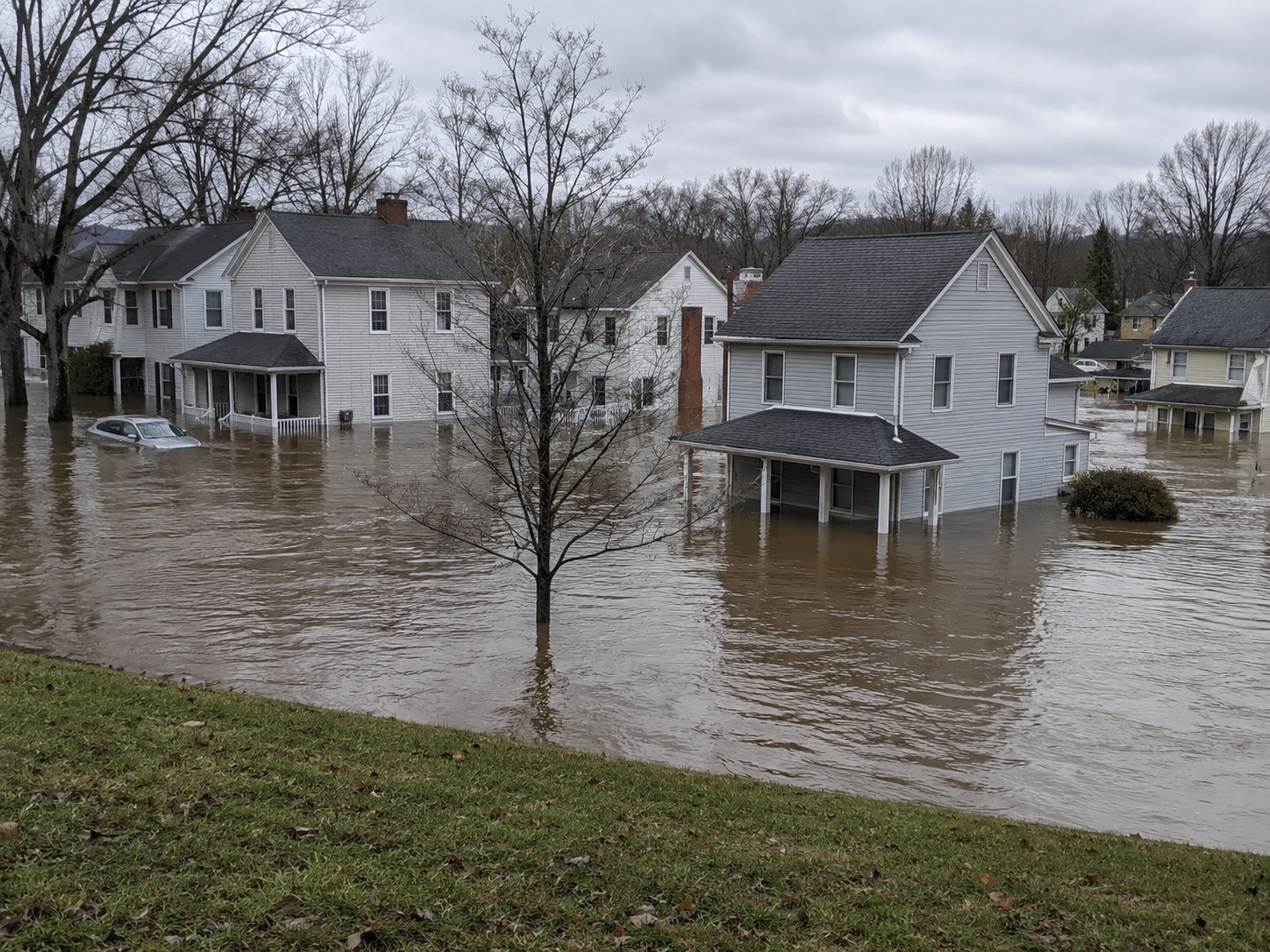
More than two-thirds of executives feel more stressed in 2025 than the prior year—driven in part by the rising frequency and severity of extreme weather events. Insurance experts say proactive planning and comprehensive coverage strategies can help businesses build resilience against these growing environmental threats.