NCCI’s 2026 State of the Line report found that workers’ compensation delivered a 91% combined ratio in 2025 even as net written premium edged down and claim severity rose.
Cowbell’s 2026 claims analysis found that stronger negotiation strategies and improved backup practices are driving down ransom payments despite increase in overall cyber claims activity.
Piloting artificial intelligence in claims management is no longer the barrier, operational integration is. Here’s how claims organizations can move beyond proof of concept to realize the full value of AI.
Improperly deployed multi-factor authentication accounts for roughly 26% of all incurred losses in the manufacturing sector, more than firms with no MFA at all, Resilience reports.
Ron Morrison, Chief Claims Officer at MSIG USA, discusses how AI is reshaping claims operations, why change management matters as much as technology, and how insurers can use data and collaboration to improve outcomes across complex claims environments.
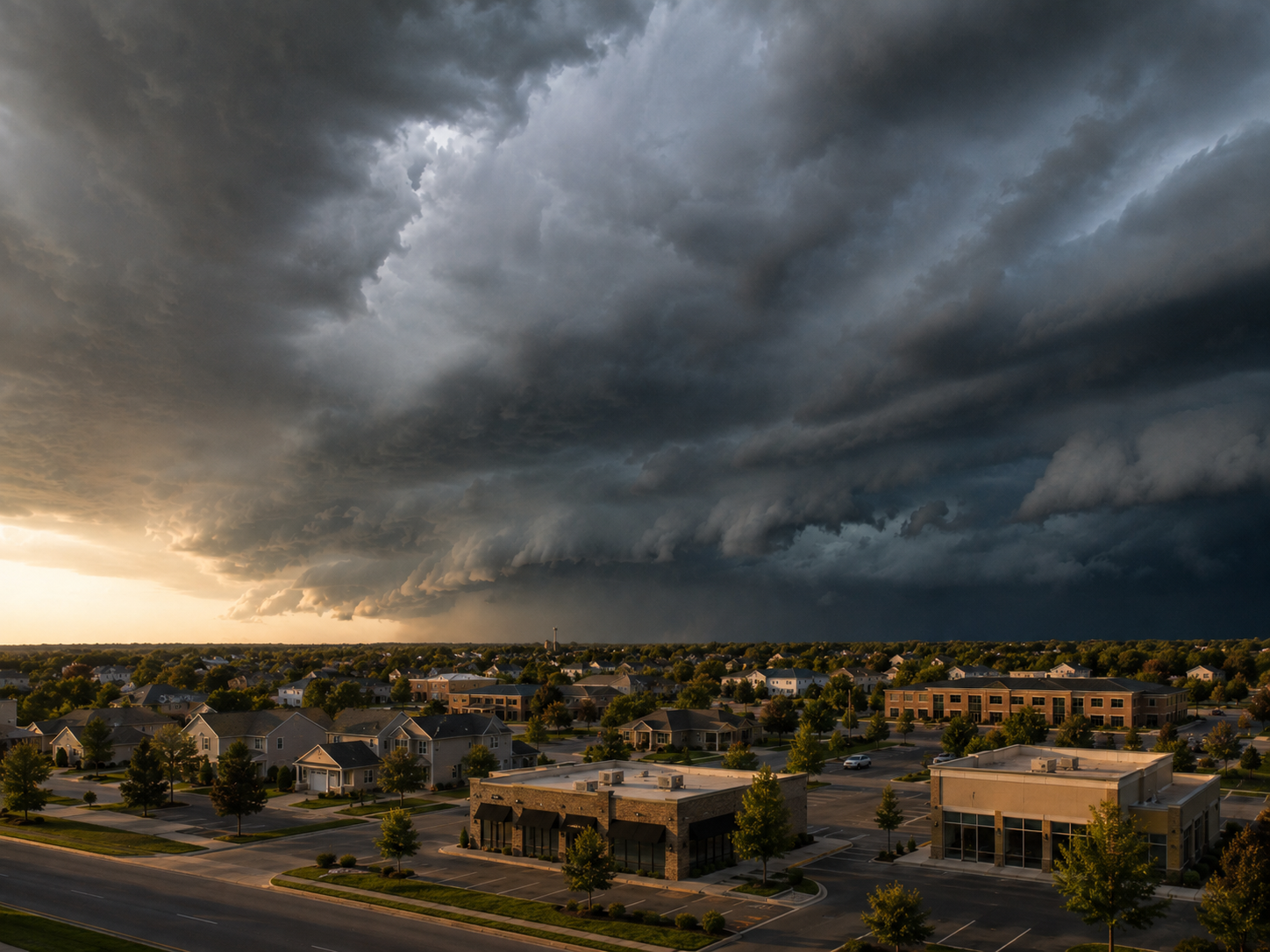
Wildfires and severe convective storms accounted for 99.9% of North America’s $90 billion in natural catastrophe insured losses, according to Swiss Re data.
Despite a 5.3% drop in supply chain crime incidents in the first quarter of 2026, estimated losses held steady at $131.58 million, Verisk CargoNet found.
Global insured losses from natural disasters totaled $20 billion in the first quarter of 2026 — 26% below the 10-year average — according to Gallagher Re’s latest Natural Catastrophe and Climate Report.
Compounding forces including litigation funding, nuclear verdicts and aggressive trial strategies are pushing medical professional liability severity well beyond general inflation, S&P Global Market Intelligence found.
Average payments for air ambulance transport in workers’ compensation climbed sharply between 2013 and 2024, with wide variation across states, according to the Workers Compensation Research Institute.
Nonfatal workplace assaults climbed steadily from 2011 through 2022, driven overwhelmingly by violence in health care and social assistance settings, according to NCCI.
A year-end analysis of ClaimSearch data by Verisk found that quieter weather drove broad declines in claims activity even as the Los Angeles wildfires became the costliest on record.
Despite a 3% increase in global cyber claims frequency, average losses in 2025 dropped 19% year over year as organizations became more effective at limiting breach damage, according to Coalition.
Chubb’s 2026 Cyber Claims Report finds that autonomous AI attacks, expanding privacy litigation, and supply chain interdependence are driving divergent trends in cyber claim frequency and severity.
As AI reshapes the claims landscape, one executive explains how data-driven tools are enhancing — not replacing — the judgment and empathy that define exceptional claims handling.
A new Munich Re report finds that ransomware, supply chain attacks and AI-driven threats are expanding the cyber risk landscape while the vast majority of exposures remain uninsured.
Cumulative losses from severe convective storms now exceed those from hurricanes, challenging the traditional classification of these events as ‘secondary perils,’ according to Allianz Commercial.
Favorable prior-year development in workers’ compensation exceeded $5 billion for the ninth straight year in 2025, according to S&P Global Market Intelligence.