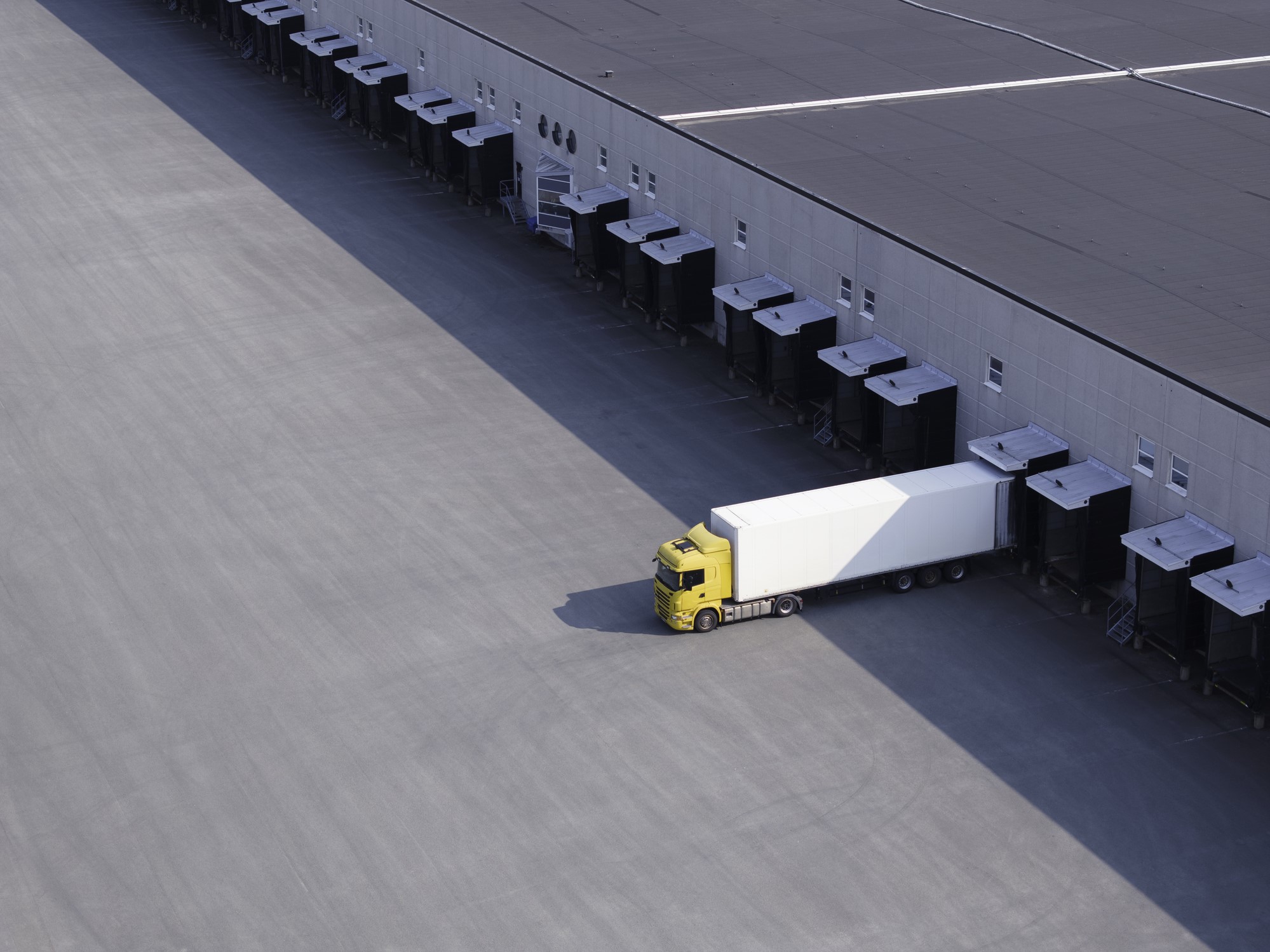
Organized criminal networks are increasingly using digital tools and impersonation tactics to steal high-value freight, according to BSI Consulting and Munich Re Specialty.
High-cost claim frequency has nearly tripled over five years and severity accelerated sharply in 2025, according to QBE North America’s 2026 Accident & Health Market Report.
AI has accelerated cybercriminal capabilities while non-malicious incidents now account for a quarter of all cyber incidents, according to Lockton report.
The Strait of Hormuz blockade, aging fleets, and persistent claims inflation are among the mounting pressures transforming maritime risk, according to Allianz Commercial.
Ransomware remains the costliest category of cyber event while third-party vendor incidents are responsible for a growing share of losses, according to Willis.
Cumulative trauma claims in California have more than doubled in cost since 2021, according to the Workers’ Compensation Insurance Rating Bureau of California.
Accelerating claim frequency, catastrophic condition costs, and specialty pharmacy inflation are pressuring rates in the medical stop loss market, according to Tokio Marine HCC.
The biggest fraud threats today aren’t isolated incidents — they’re sophisticated networks designed to blend seamlessly into legitimate business operations.
AI is no longer a future promise but a present force reshaping claims — where faster care, smarter early decisions, and scalable innovation are redefining outcomes and costs across the industry.
Operational incidents — not natural catastrophes — account for roughly three-quarters of total mining losses, with recovery ratios averaging just 50%, according to Marsh.
NCCI’s 2026 State of the Line report found that workers’ compensation delivered a 91% combined ratio in 2025 even as net written premium edged down and claim severity rose.
Cowbell’s 2026 claims analysis found that stronger negotiation strategies and improved backup practices are driving down ransom payments despite increase in overall cyber claims activity.
Piloting artificial intelligence in claims management is no longer the barrier, operational integration is. Here’s how claims organizations can move beyond proof of concept to realize the full value of AI.
Improperly deployed multi-factor authentication accounts for roughly 26% of all incurred losses in the manufacturing sector, more than firms with no MFA at all, Resilience reports.
Ron Morrison, Chief Claims Officer at MSIG USA, discusses how AI is reshaping claims operations, why change management matters as much as technology, and how insurers can use data and collaboration to improve outcomes across complex claims environments.
Wildfires and severe convective storms accounted for 99.9% of North America’s $90 billion in natural catastrophe insured losses, according to Swiss Re data.
Despite a 5.3% drop in supply chain crime incidents in the first quarter of 2026, estimated losses held steady at $131.58 million, Verisk CargoNet found.