Nearly 25% of claims adjusters are expected to retire by the end of 2027 while carriers struggle to scale AI and manage escalating catastrophe losses, according to Sedgwick.
Bad actors are intercepting confused policyholders the moment they turn to a search engine for help, often steering them to sue their insurers rather than file a claim.
The US P&C industry’s net underwriting gain nearly tripled in the first half of 2026, up from $11.6 billion in the first half of 2025, according to Verisk and the AAPCIA.
Medical service costs per claim in California’s workers’ compensation system climbed 5% in 2025, driven largely by rising prices and growing utilization of services outside fee schedule caps, according to WCIRB.
Rising exposure, demand surge and climate shifts are pushing the global insured average annual loss from natural catastrophes to $171 billion, according to Verisk.
The U.S. casualty market is leaving billions of dollars in adverse reserve development to accumulate largely undetected until it surfaces in financial statements, according to Moody’s.
Swiss Re report finds premium growth holding at 5% CAGR even as AI-driven threats and a widening protection gap push insurers to rethink coverage adequacy
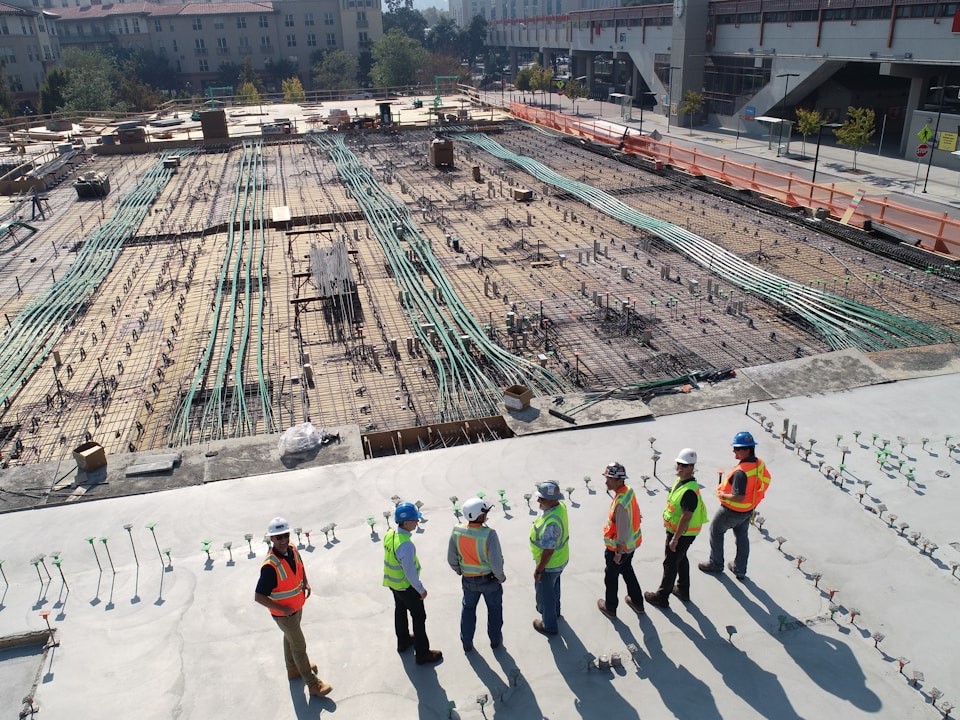
Construction spending topped $2.17 trillion in April 2026 amid labor shortages, rising claim severity and a bifurcated insurance market, according to Gallagher.
Recalled units across five industries jumped to 941.2 million in H1 2026 from 211.3 million in H1 2025, putting 2026 on pace to top 1 billion units for the first time since 2022, according to Sedgwick.
New CorVel President and CEO Sarah Scott discusses how clinically integrated claims, AI-enabled decision support and early intervention are reshaping workers’ compensation outcomes.
As workers’ compensation claims grow more complex, today’s claims professionals are evolving into strategic coordinators who combine technology, clinical expertise, and collaboration to improve outcomes for injured workers and employers alike.
Social engineering accounted for 85.3% of incurred cyber insurance losses in the first half of 2026, up from 17.7% in the first half of 2024, according to Resilience.
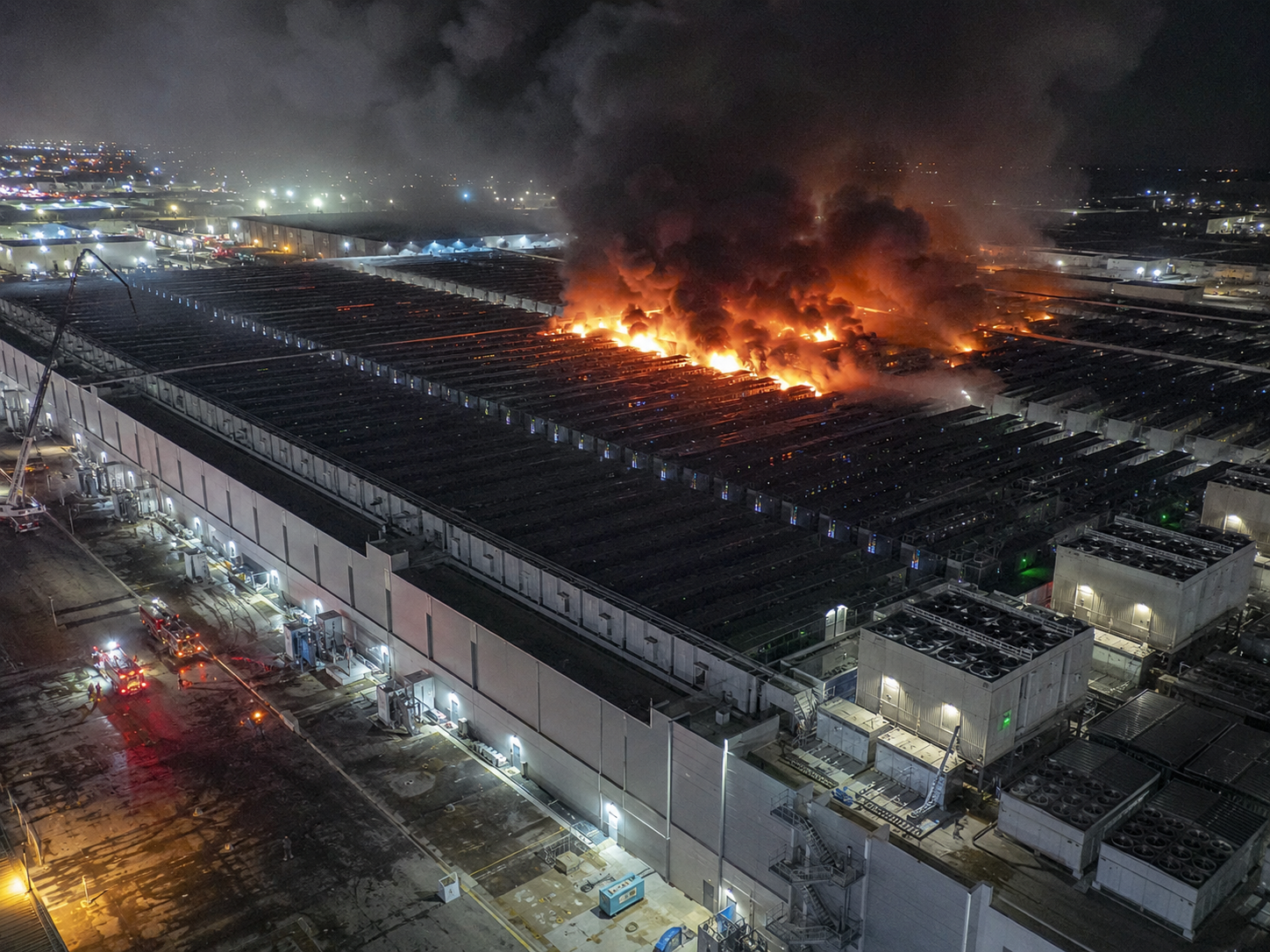
Fire drives the majority of insured data center losses even as natural catastrophe exposure, lithium-ion battery risk and construction complexity reshape the sector’s risk profile, according to Allianz Commercial.
Cumulative trauma claims rose from 9.1% of all California workers’ compensation claims in 2018 to 16.5% in 2025, with the growth spreading statewide, the California Workers’ Compensation Institute found.
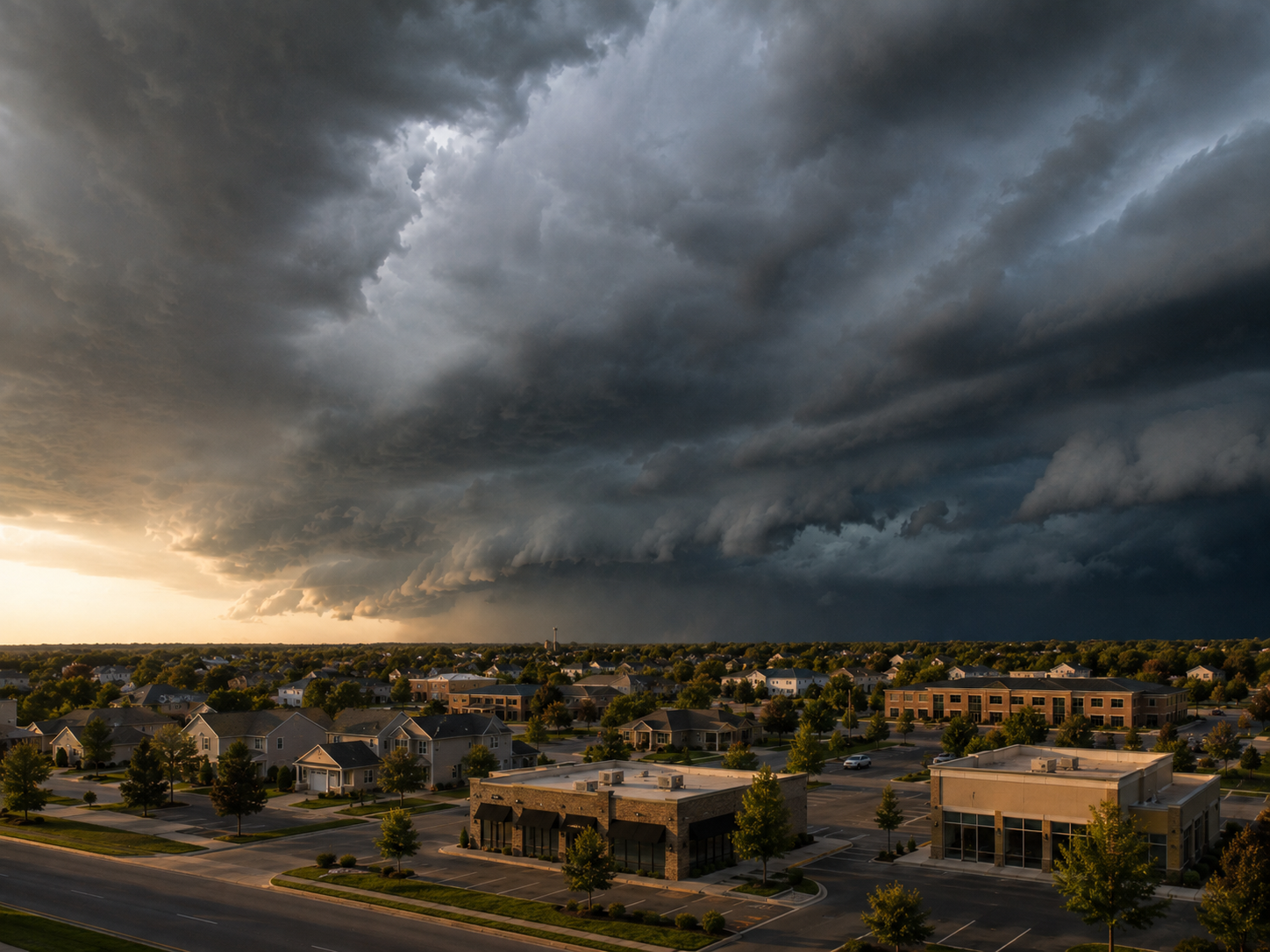
Natural disasters caused an estimated $112 billion in losses in the first half of 2026, with only $44 billion insured, leaving a 60% protection gap, according to Munich Re.
Insurers posted a $431 million underwriting loss in 2025 as incurred losses and expenses reached 102% of earned premium, the Workers’ Compensation Insurance Rating Bureau of California found.
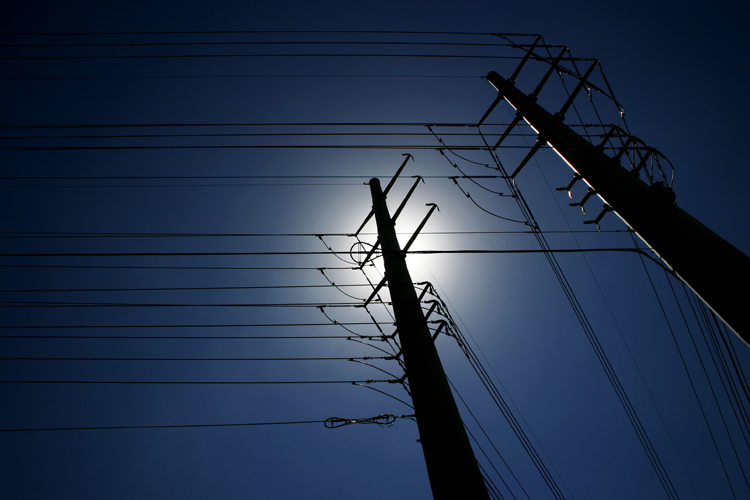
Aging poles and overland lines pose billion-dollar liability and business interruption risks that often fall hardest on companies that do not own the failing infrastructure, according to Allianz Commercial.