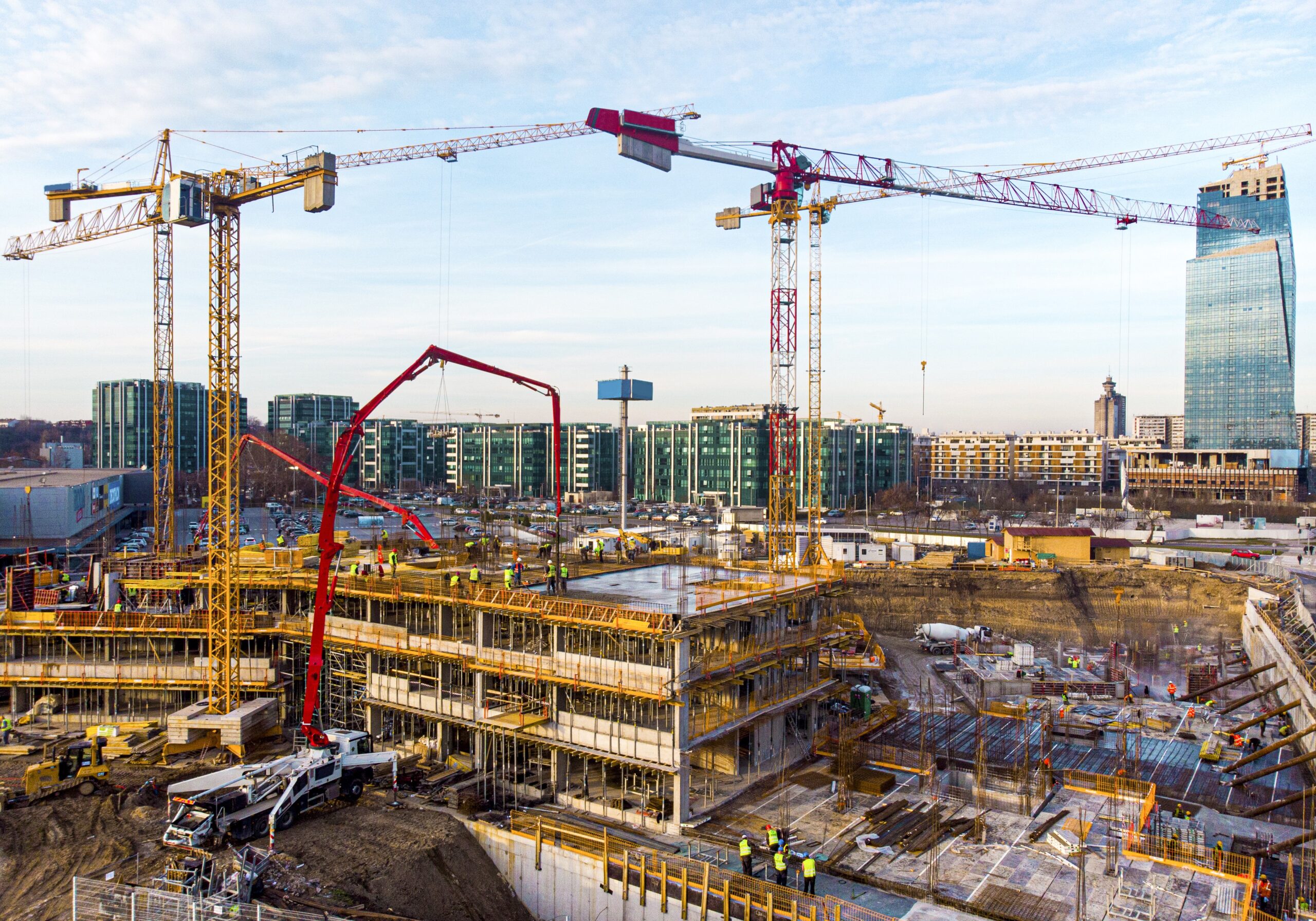
Poor communication contributes to nearly 70% of workplace incidents, underscoring the business case for fostering psychological safety in construction and other high-risk industries, Gallagher Bassett says.
Nonfatal workplace assaults climbed steadily from 2011 through 2022, driven overwhelmingly by violence in health care and social assistance settings, according to NCCI.
A report by the California Earthquake Authority concludes that the state’s current systems for managing wildfire risk are failing ratepayers, insurance policyholders, and disaster survivors.
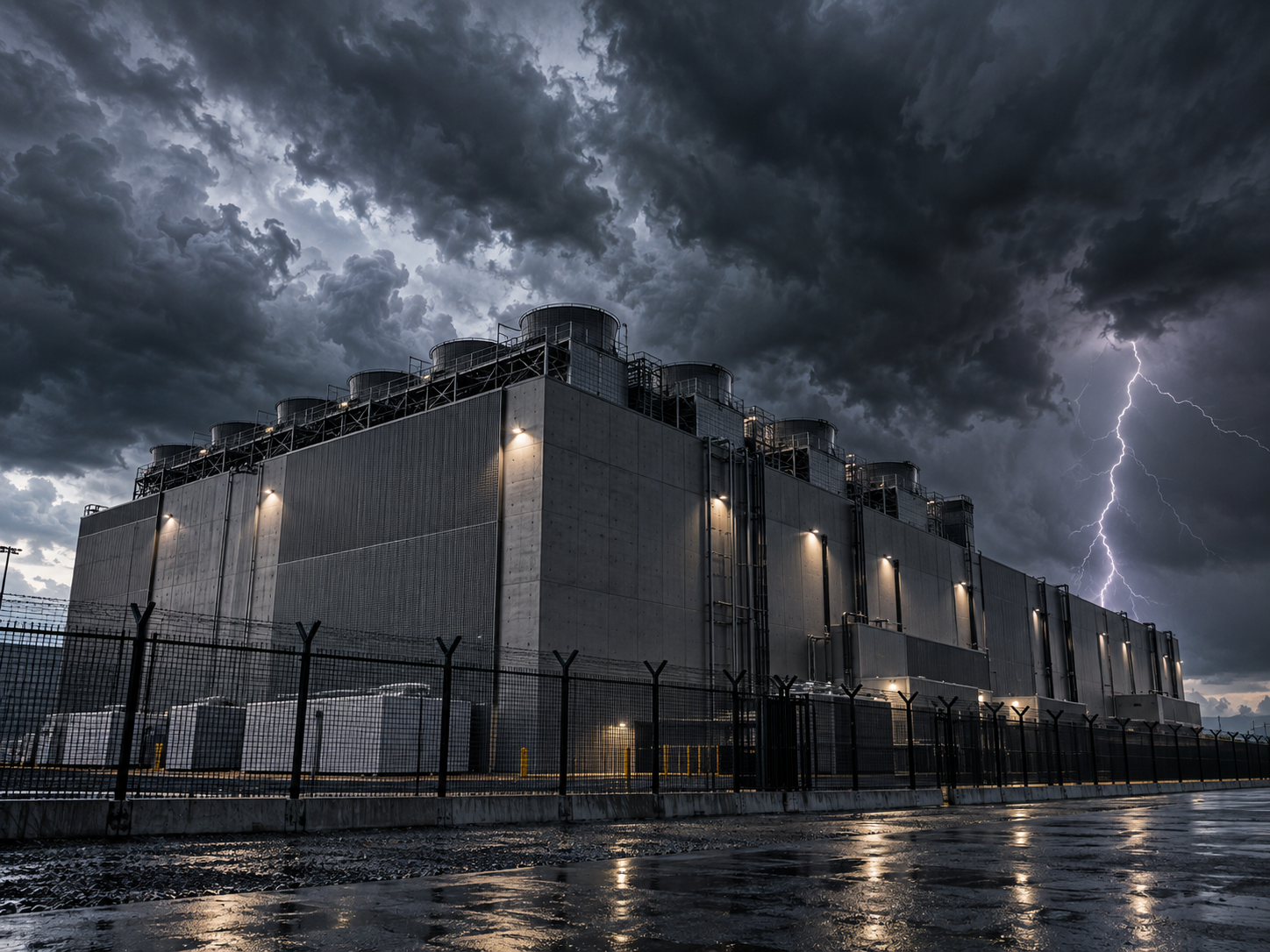
Construction costs for a single data center location can exceed $20 billion — double once technology is installed — creating concentration exposures in catastrophe-prone areas, according to Swiss Re Institute.
Softening property rates and stable capacity define the public entity landscape, though litigation and disaster aid changes could shift the burden to state and local governments, according to Amwins.
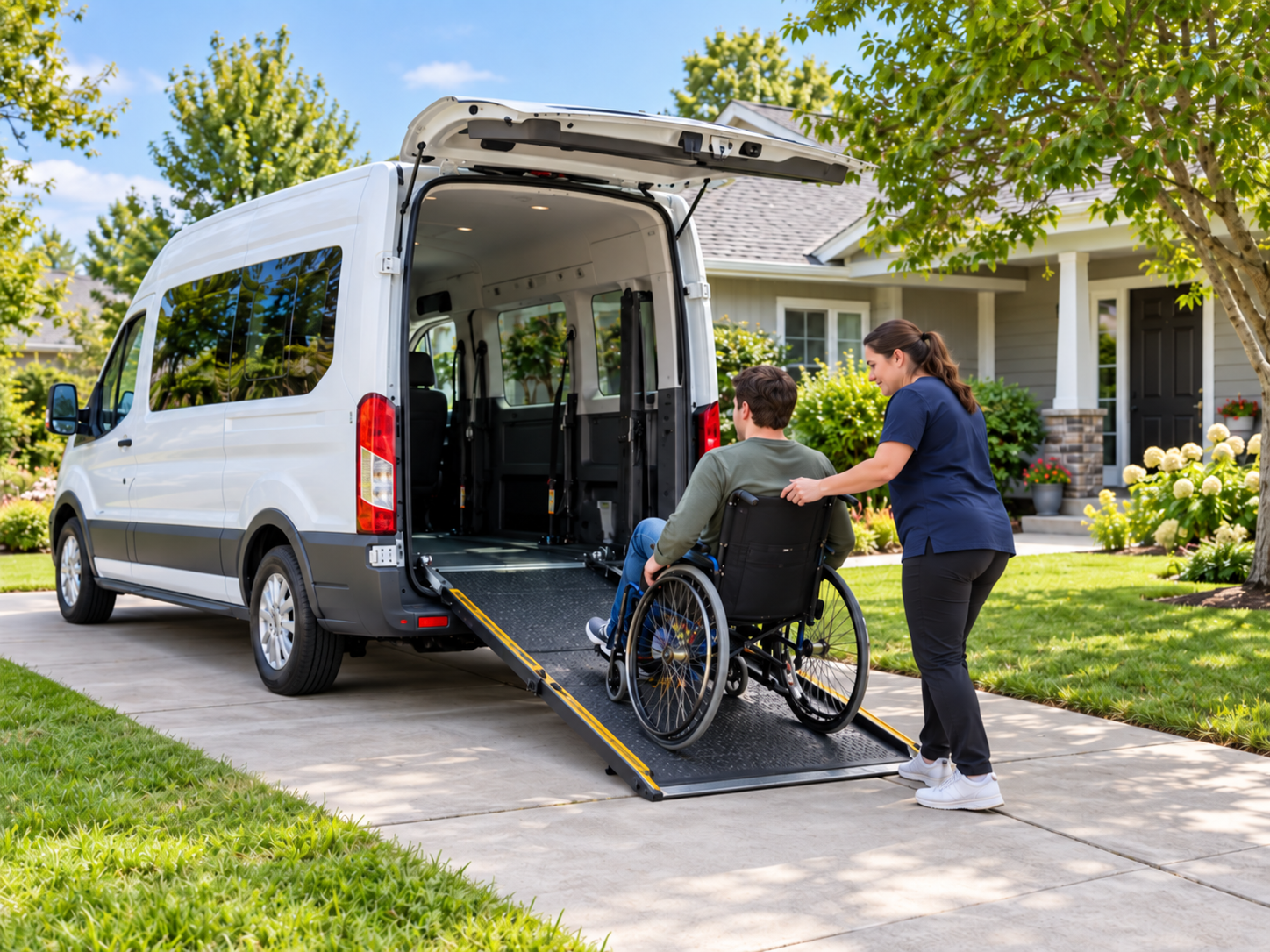
Drowsiness, distraction and aggressive driving consistently precede incidents, and near-collisions are becoming the leading safety metric for fleet risk management, according to Motive’s 2026 road safety report.
To really get the best result from the underwriter and the most competitive pricing and terms for the insureds, it really helps for brokers to be additive in the process as opposed to just being transactional.
Favorable pricing in property insurance contrasts sharply with mounting challenges in casualty coverage across the real estate sector, according to Lockton.
As data-only extortion surged to 65% of cases in the second half of 2025, organizations face reputational and legal fallout that outweighs operational disruption: Resilience.