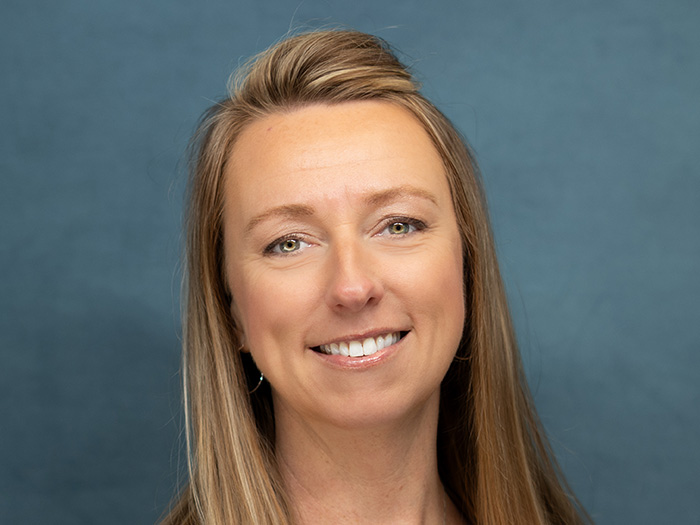
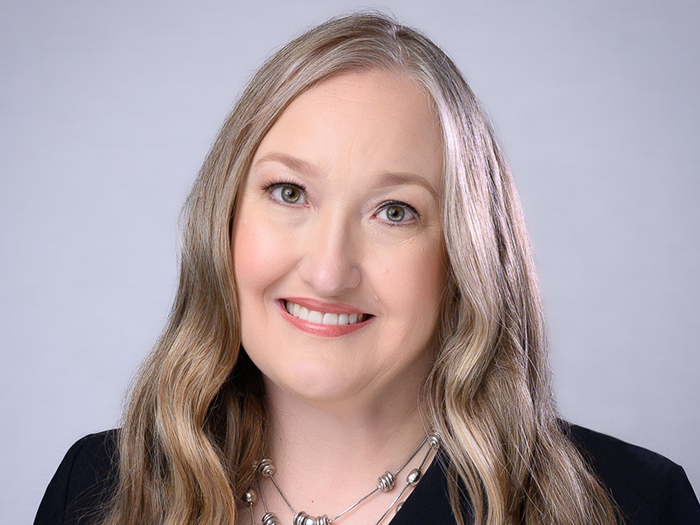
Over a decade of disciplined, incremental building, Essentia Health transformed a fragmented, claims-only workers’ compensation program into a fully integrated system of prevention, early intervention, and purposeful return-to-work — one that now serves caregivers across three states with the consistency and care they deserve.
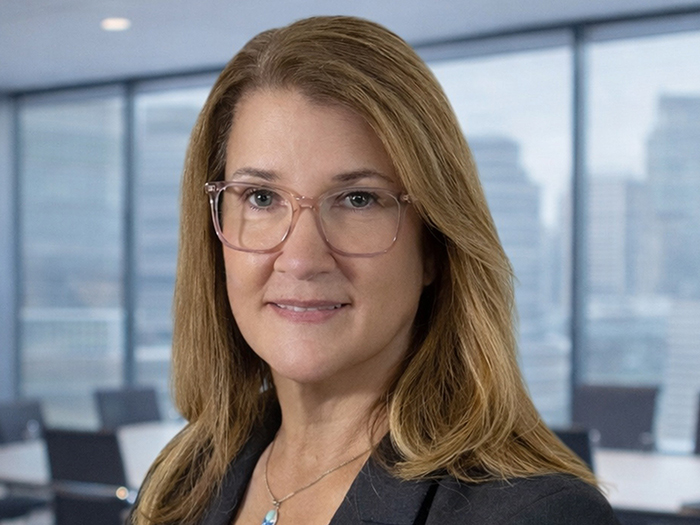
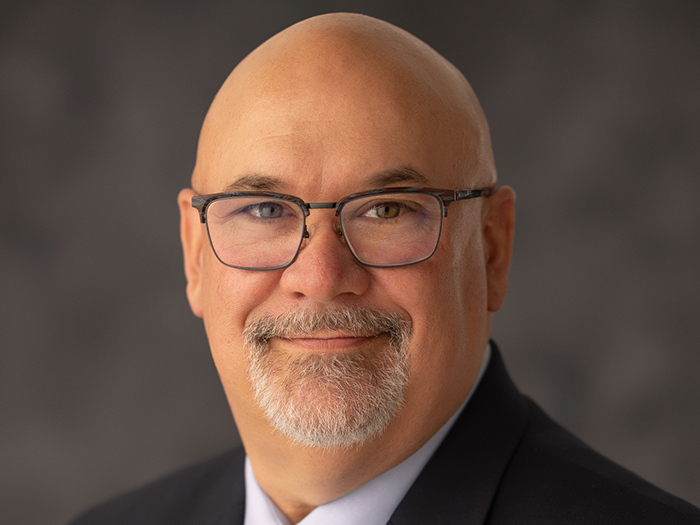
By building a comprehensive, technology-enabled safety and risk management program specifically designed for school districts, the Georgia School Boards Association has turned a statewide self-insured fund into a model of prevention — delivering dividends, lowering costs, and reaching the school communities that need it most.
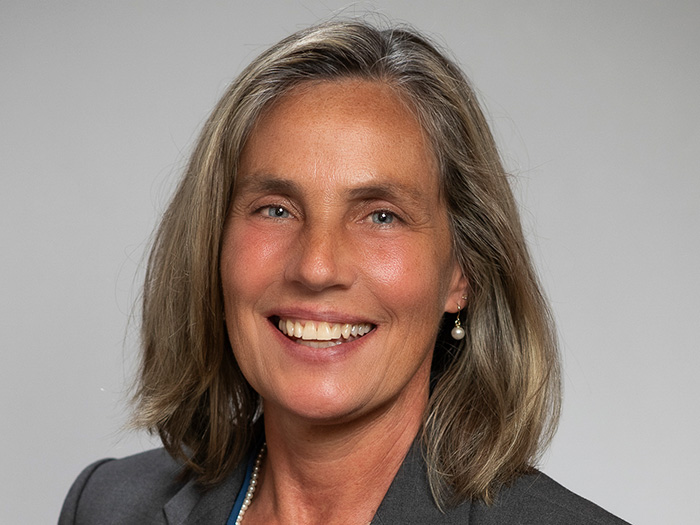
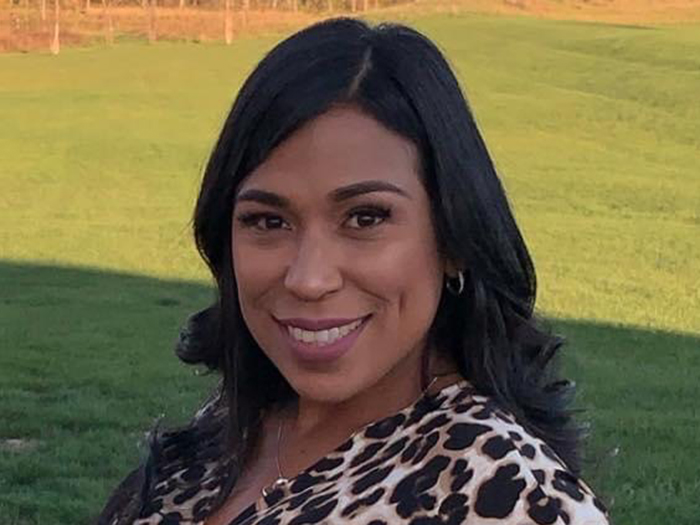
Emerging from the pandemic with an exhausted workforce and a stalled safety culture, Aspirus Health rebuilt its workers’ compensation and employee safety programs from the ground up — one hospital, one relationship, one conversation at a time.
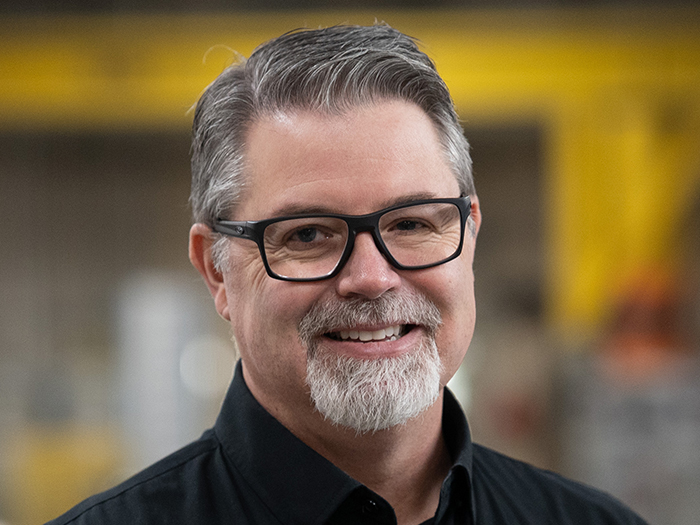
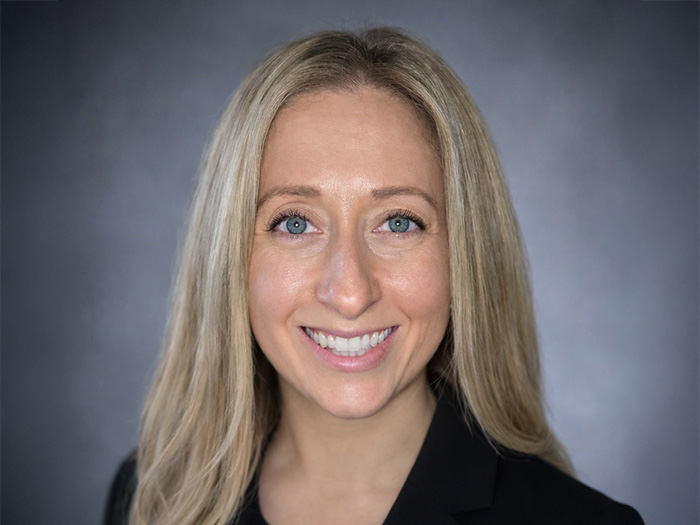
When a post-pandemic claims crisis threatened to overwhelm its workers’ compensation program, Kelly overhauled its approach — forging a data-driven partnership that dramatically reduced litigation, accelerated claim closure, and put injured workers back at the center of the process.
When two of the country’s largest health systems merged to form Advocate Health, the challenge of unifying their workers’ compensation programs fell to Melinda Daniel — who built a single enterprise program for 150,000 teammates across six states, guided by one simple principle: teammates taking care of teammates.
By asking “why” one more time than most organizations are willing to, Professional Contract Services built a nurse triage program that dramatically reduced lost time and claim volume — while proving that caring for employees as whole human beings is the smartest risk management strategy of all.
By unifying its approach to risk across workers’ compensation, auto liability, and general liability — and backing it with predictive analytics, behavioral safety training, and aggressive early intervention — Verizon achieved tens of millions of dollars in savings while building a stronger culture of care for its workforce.
By building a seamless system that puts the right information in front of injured employees the moment they need it — and backs it up with a rigorously tested ergonomics program — State Farm’s workers’ compensation team has made early intervention a reality, not just a goal.
In a profession defined by caring for others, Benchmark Senior Living has built a workers’ compensation and safety program that turns that same ethic inward — treating injured associates with the same commitment to human connection that defines care for its residents.
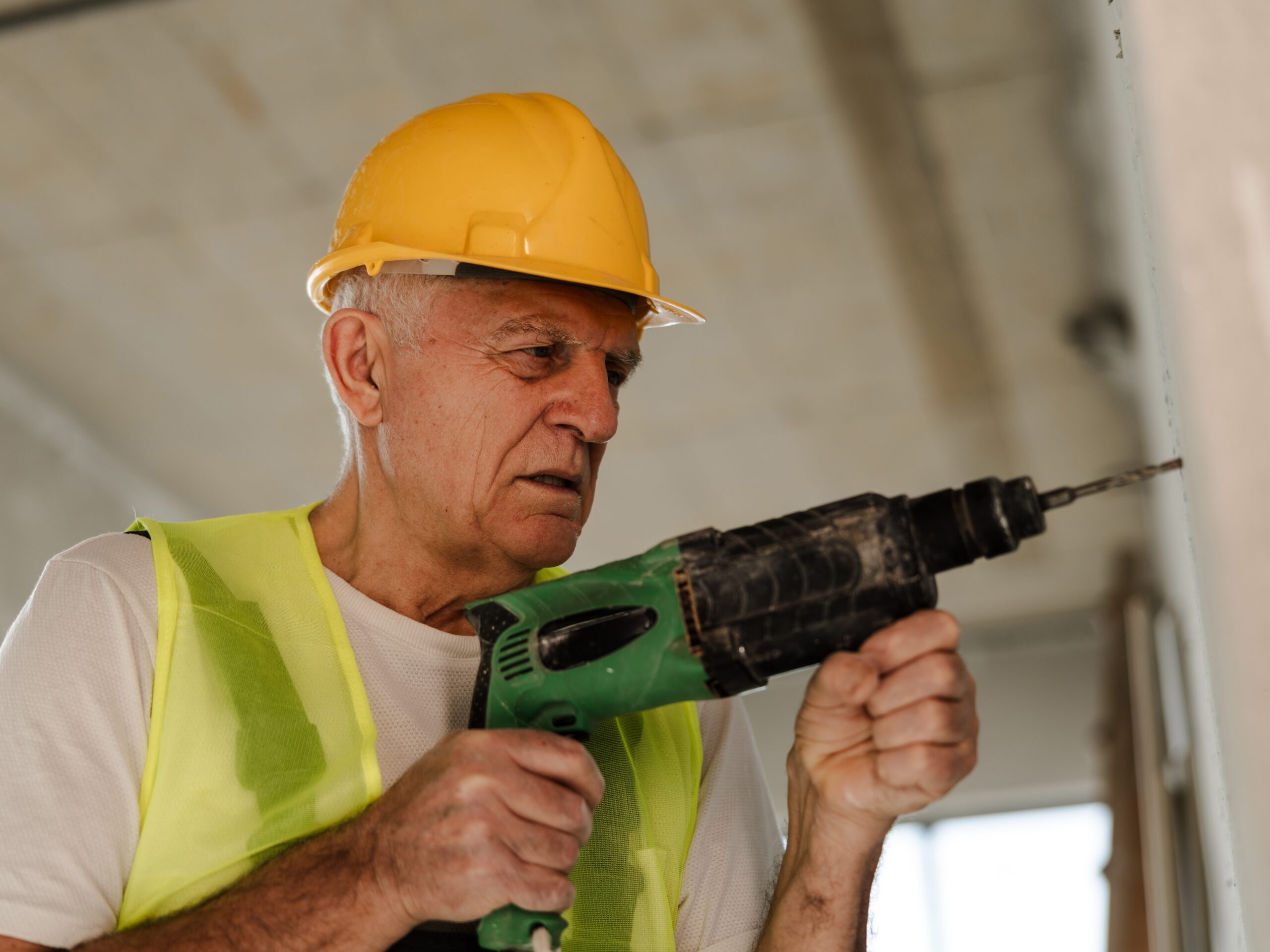
Older construction workers report lower rates of diabetes and high cholesterol than the overall workforce, according to CPWR-The Center for Construction Research and Training.
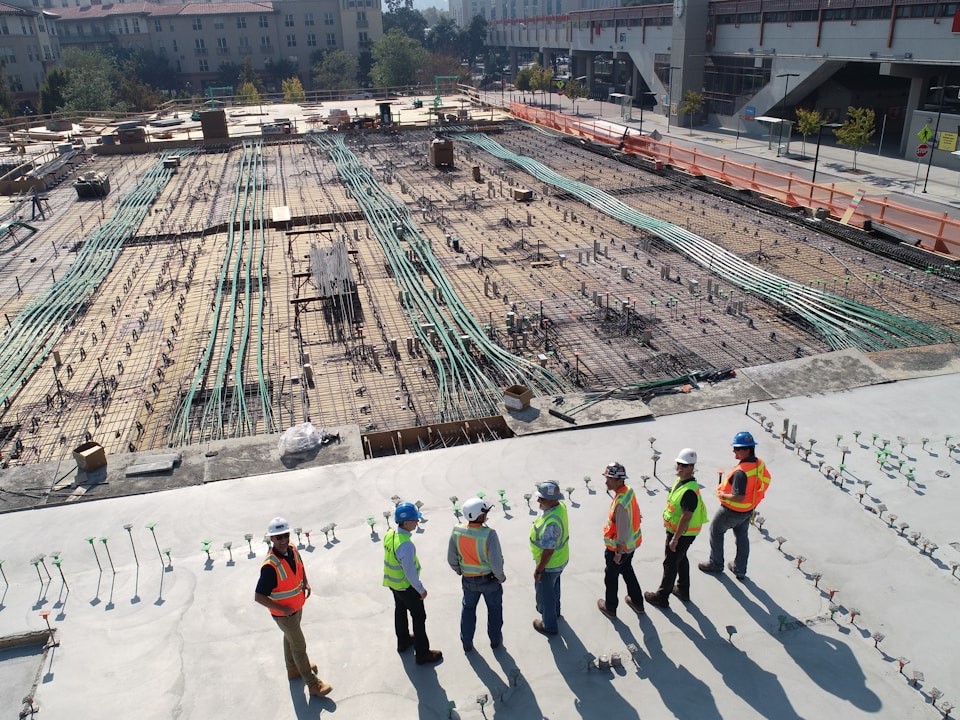
Construction spending topped $2.17 trillion in April 2026 amid labor shortages, rising claim severity and a bifurcated insurance market, according to Gallagher.
Clear, consistent documentation of adverse events supports continuity of care and can influence whether an event leads to litigation. Here’s what belongs in the record—and what doesn’t.
“Small changes have had a significant impact for me: limiting social media, reducing exposure to the constant stream of notification alerts, being unapologetic about protecting time with family, prioritizing sleep, and getting outside whenever I can.”
The line has outperformed the broader property & casualty industry by more than 20 percentage points annually over the past four years, according to AM Best.
Health care organizations are turning to innovative staffing models, technology and employee support strategies to address persistent workforce shortages and strengthen operational resilience.
A 2026 breach at an automotive tech provider left up to 150,000 drivers unable to use their vehicles, illustrating how third-party digital failures can expose automakers to liability, according to Munich Re and TÜV SÜD.