A year-end analysis of ClaimSearch data by Verisk found that quieter weather drove broad declines in claims activity even as the Los Angeles wildfires became the costliest on record.
The E&S market surpassed $100 billion in direct premiums written for the first time in 2025, but its growth rate fell to 7.8% — the lowest in eight years, according to S&P Global Market Intelligence.
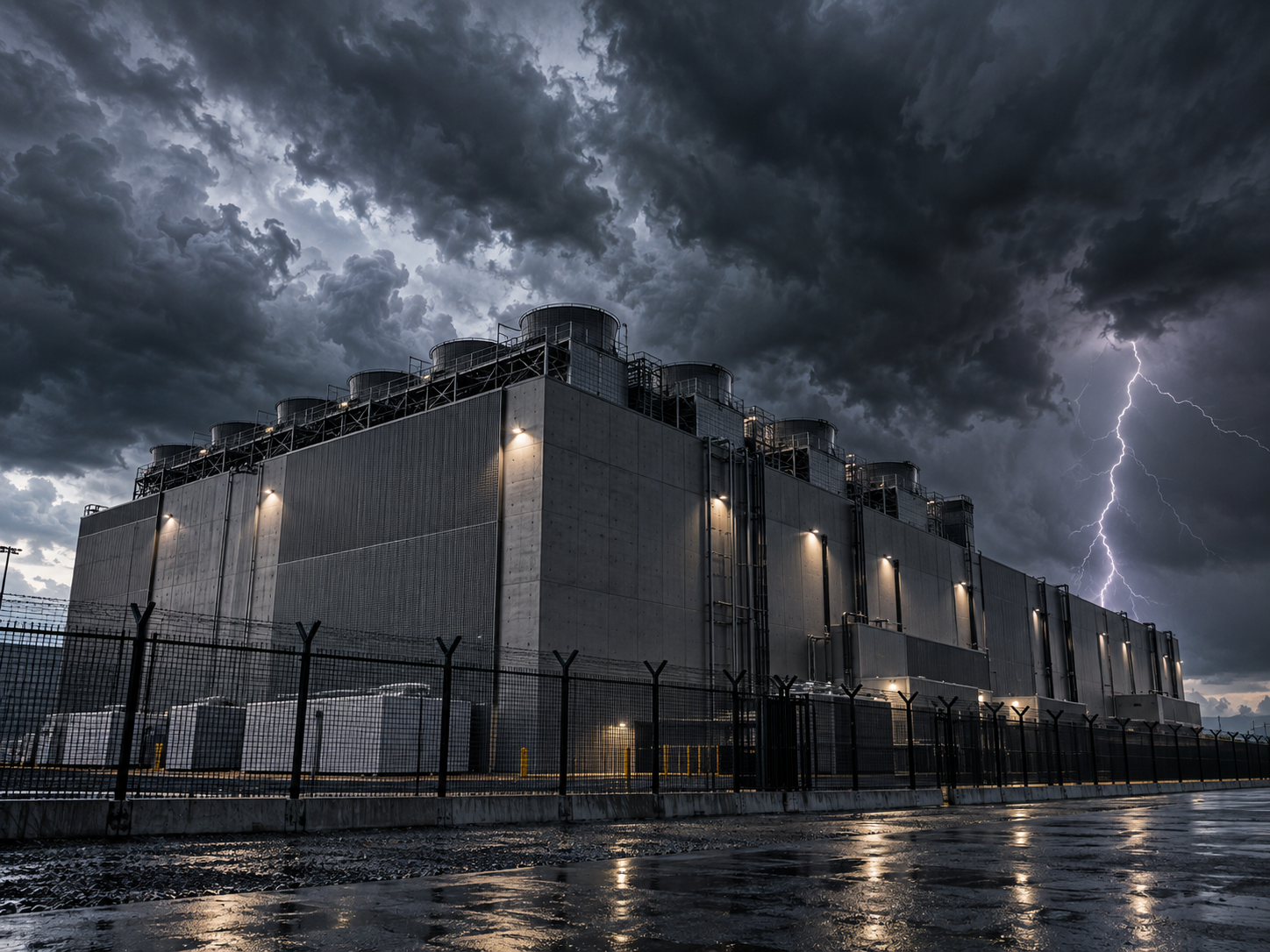
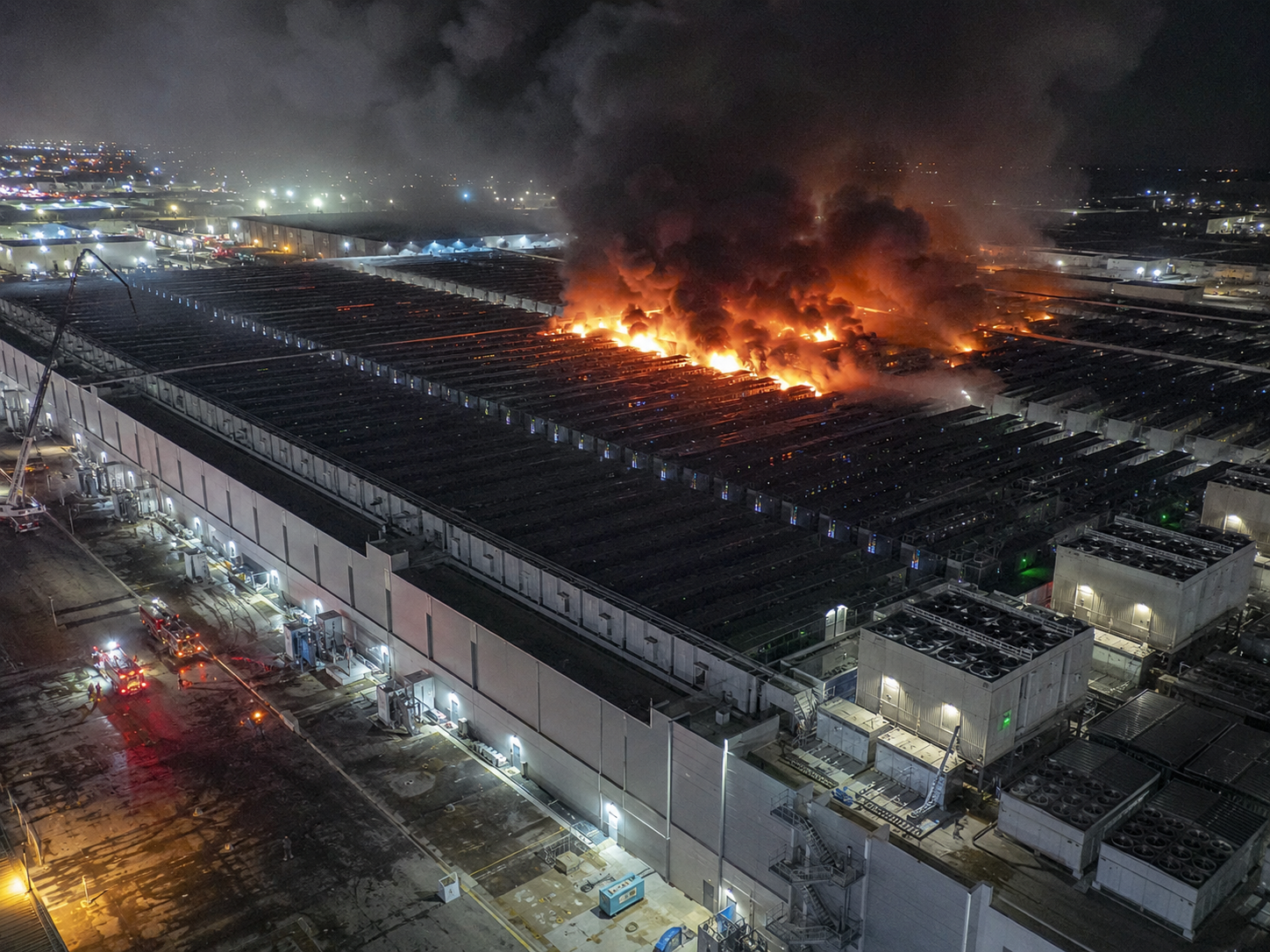
Construction costs for a single data center location can exceed $20 billion — double once technology is installed — creating concentration exposures in catastrophe-prone areas, according to Swiss Re Institute.
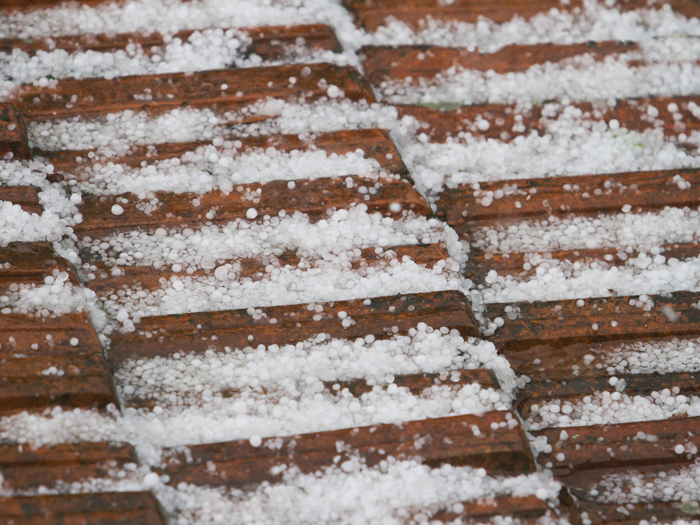
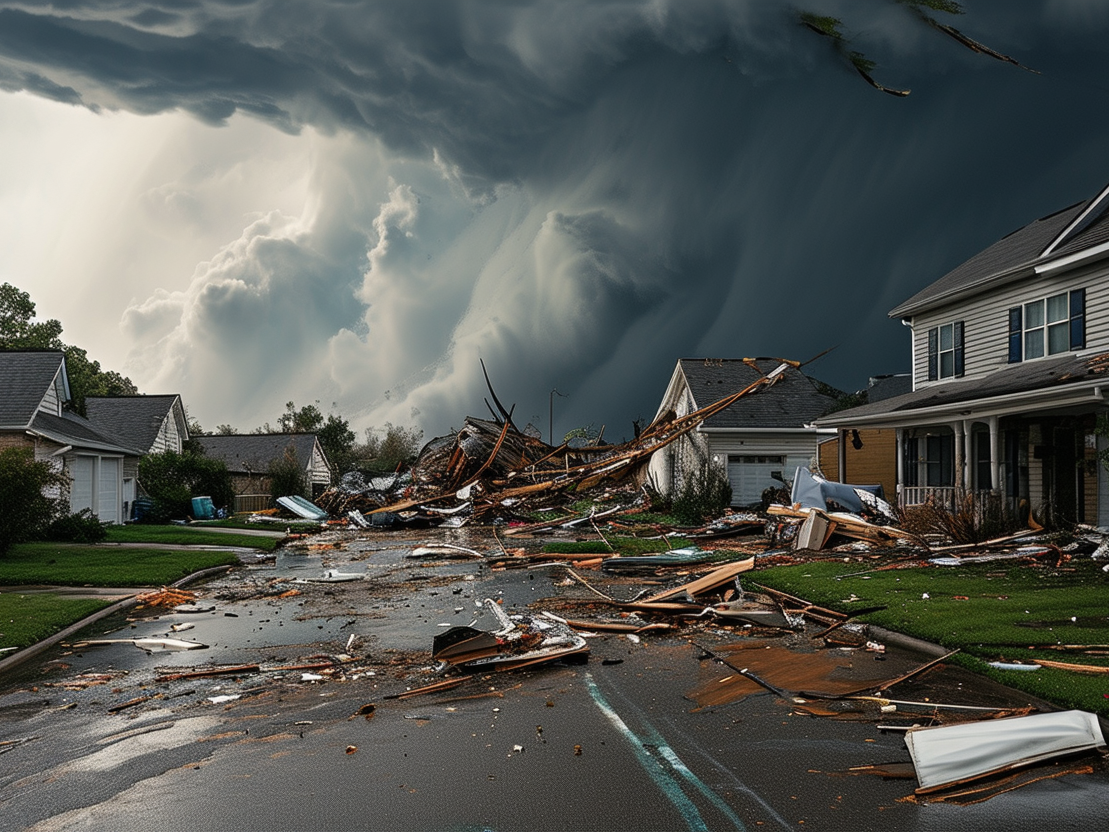
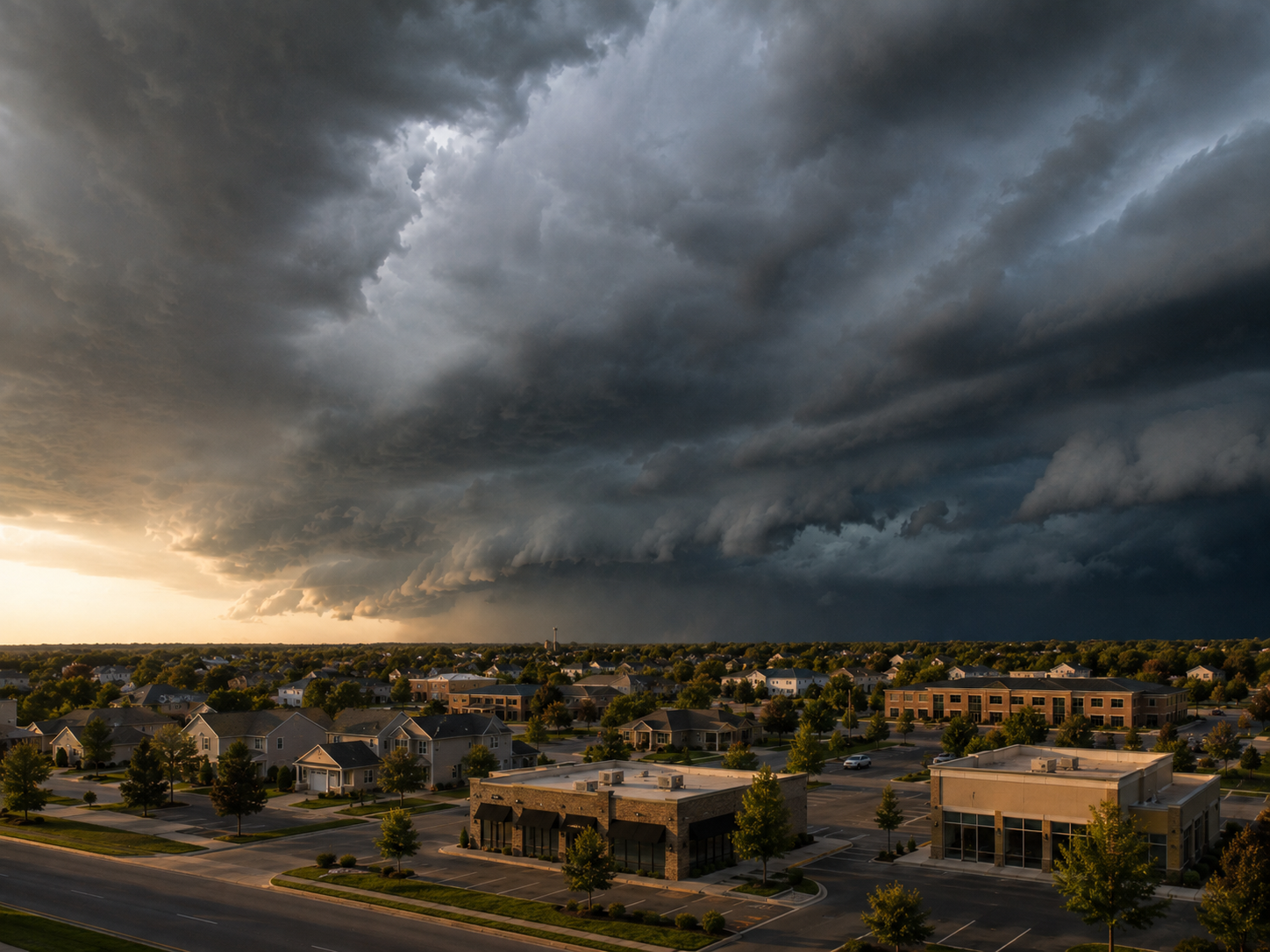
Cumulative losses from severe convective storms now exceed those from hurricanes, challenging the traditional classification of these events as ‘secondary perils,’ according to Allianz Commercial.
Softening property rates and stable capacity define the public entity landscape, though litigation and disaster aid changes could shift the burden to state and local governments, according to Amwins.
Secondary perils accounted for a record 92% of global insured natural catastrophe losses in 2025, and trend-line projections point to $148 billion in 2026, according to Swiss Re Institute.
Insurance risk leaders face near-term economic pressures while bracing for AI-driven risks, according to Emerging Risk Survey by Casualty Actuarial Society and Society of Actuaries.
Favorable pricing in property insurance contrasts sharply with mounting challenges in casualty coverage across the real estate sector, according to Lockton.
The 2026 FM Resilience Index reveals that emerging physical risks — particularly water stress and fire hazards — are creating blind spots for businesses planning expansion and operations.
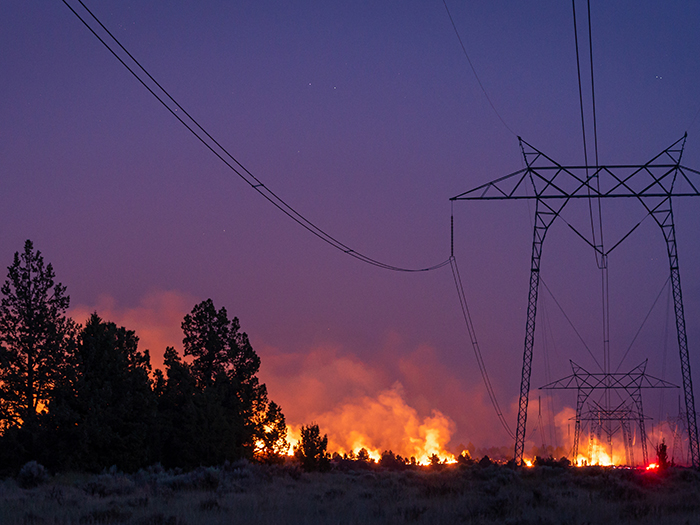
The 2025 Los Angeles fires revealed that catastrophic losses aren’t determined by ignition probability alone, but by whether a fire can scale into a resource-overwhelming event: Delos.
Property rates soften amid competitive capacity while social inflation and emerging risks pressure casualty lines, creating a bifurcated market in 2026: USI.