The best of R&I and around the web, handpicked by our editors.
White papers, service directory and conferences for the R&I community.
Web replica of the print magazine.
Insurance buyers and sellers are aligned on the threats reshaping the market, but coverage gaps remain in flood and cyber, according to a joint report from Munich Re US and the Insurance Information Institute.
High net worth homes are increasingly being built in disaster-prone areas.
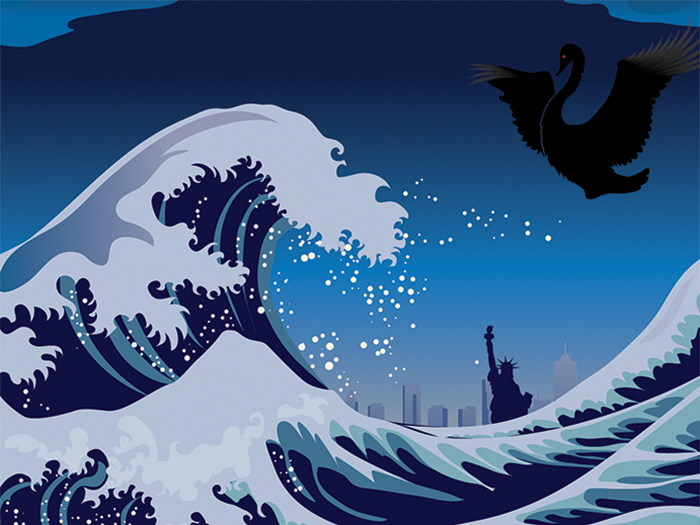
In this year’s Black Swan coverage, we focus on two events: An Atlantic mega-tsunami which would wipe out the East Coast and a killer global pandemic.
In this issue we consider catastrophic losses, and weigh the opinions of those that would write the check should they occur.
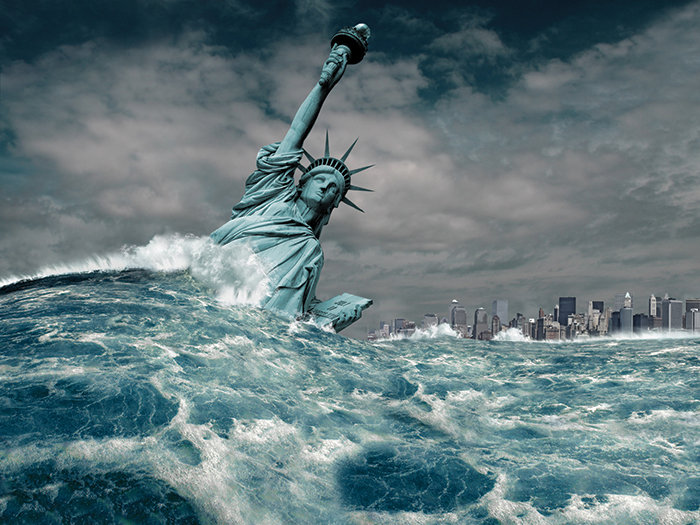
Could a tsunami destroy everything from Boston to Miami? If it did, would we even stand a chance?
Get ready for seismic tremors as the World Cup kicks off.
After a Nat Cat, traditional insurance can fall short in its timeliness and breadth of coverage. An industry exec discusses an alternative.
Crumbling roads and bridges isolate companies and trigger business interruption losses.
Growing populations and rising property values, combined with an increase in high-severity catastrophes, are pushing the insurance protection gap to a critical level.
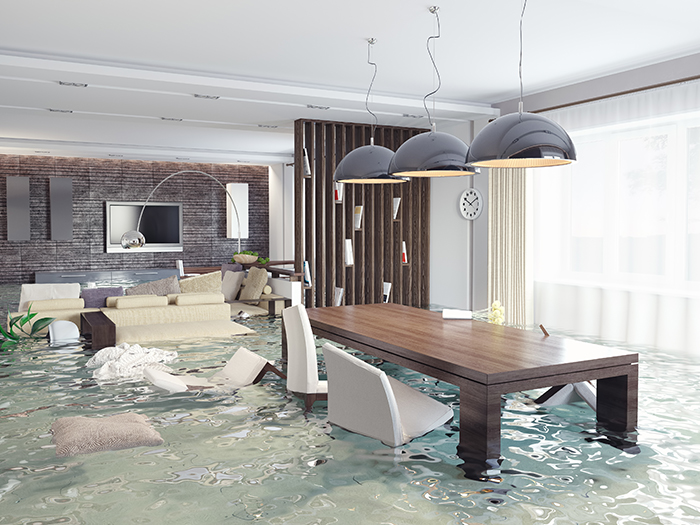
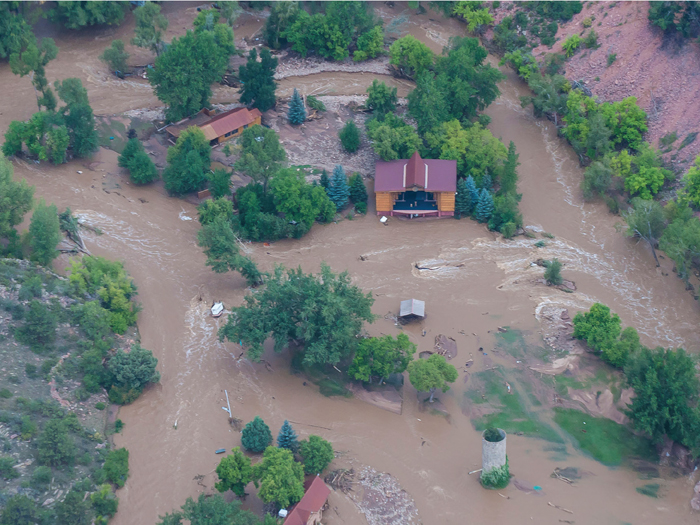
Whether high net worth homeowners take up sufficient excess flood coverage is a point of concern.
Following a natural disaster, toxic materials released by the storm waters wreak havoc on the environment and public health.
The world’s richest citizens are searching out top-notch security measures and infrastructure to prepare against natural and man-made disaster.
Brokerage claims experts urge fast action to mitigate loss and substantiate claims.
Soft targets, such as sports stadiums, must increase measures to protect lives and their business.
It’s good business to allow job-leave for volunteer emergency responders, whether or not state laws apply.
For facilities entrusted with the lives of vulnerable populations, emergency preparedness plans are complex documents that never stop evolving.
Big storms add urgency to reforms on transparency and repeat claims.
What is appropriate risk mitigation during an earthquake? As a curious risk manager, I decided to find out.
This year’s hurricane season sees the use of drones and other aerial intelligence gathering systems as insurers seek to estimate claims costs.
Aon produced an agents’ guide covering newly-effective changes to the National Flood Insurance Program
Do we, in our risk management community, have a consistent way of measuring and ranking one disaster over another?