Newsletters
 Risk Central
 Digital Edition
Below-Average Hurricane Season Forecast for 2026, but Severity Risk Remains Elevated
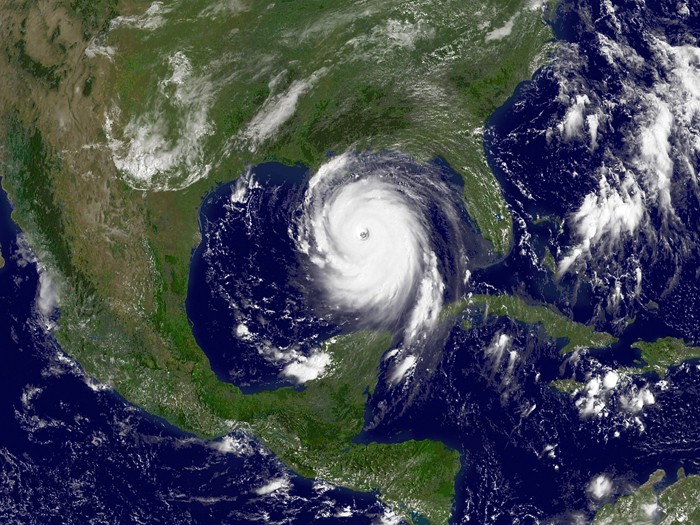
Pre-season forecasts from six leading meteorological institutions project a near to below-average 2026 Atlantic hurricane season, with six to 16 named storms, three to nine hurricanes, and one to four major hurricanes expected between June 1 and November 30, according to a seasonal outlook published by Allianz Commercial.
The National Oceanic and Atmospheric Administration (NOAA), the most conservative of the forecasters analyzed, puts the probability of a below-normal season at 55%, the report said. Leading forecasters broadly cite below-average sea surface temperatures in the Cape Verde region, where roughly three-quarters of major hurricanes originate, and the anticipated El Niño phase as factors pointing toward reduced activity.
Why Storm Counts Tell an Incomplete Story
The 2025 hurricane season offers a pointed reminder that low storm frequency and low loss potential are not the same thing, according to Allianz Commercial. Only five Atlantic hurricanes formed in 2025, the fewest since 2015, and no hurricane made landfall in the continental U.S., the first time that had occurred since 2015.
Yet four of those five storms intensified into Category 4 or 5 systems, representing one of the highest proportions of major hurricanes relative to total hurricanes in the Atlantic historical record. Seasonal accumulated cyclone energy reached approximately 108% of the 1991–2020 long-term average, according to Allianz Commercial.
Historical parallels reinforce the point, the report noted. In 1992, just four hurricanes formed, yet Hurricane Andrew caused catastrophic damage. In 2010, by contrast, 12 hurricanes developed with zero U.S. landfalls.
“What drives loss is not how many storms form, but the intensity of individual events and where they make landfall,” said Keerthy Mohandas, catastrophe risk research analyst at Allianz Commercial.
The 2025 season also illustrated the financial consequences of mismatched exposure. Hurricane Melissa, which NOAA confirmed as one of the strongest Atlantic basin hurricane landfalls on record, caused an estimated $11 billion in economic losses across the Caribbean, against nearly $2.5 billion in insured losses, according to Allianz Commercial.
The coverage gap, the report noted, left businesses absorbing losses their coverage was never sized to meet. Rising coastal asset values and construction inflation can cause insured values to fall short of true replacement costs, a shortfall that only becomes visible after a loss, Allianz Commercial said.
Climate Change Is Compressing the Response Window
Beyond seasonal variability, Allianz Commercial’s outlook highlights a structural shift in how Atlantic hurricanes behave, one with direct implications for catastrophe planning.
A 2023 study cited in the outlook, published in Scientific Reports, found that mean maximum intensification rates of Atlantic storms were approximately 29% higher in 2001–2020 than in 1971–1990. The number of storms jumping from Category 1 or weaker to major hurricane status within 36 hours has more than doubled, consistent with human-caused climate warming, according to the research.
This trend toward rapid intensification compresses the window between a manageable forecast and an emergency operational response from days to hours, the report said. For businesses with assets in hurricane-exposed regions, a storm can escalate faster than continuity plans can be activated.
Research cited in the report also projects that a 2°C warming from human-caused climate change could reduce the overall frequency of North Atlantic hurricanes while increasing the proportion reaching Category 4 or 5 intensity, with the result being potentially fewer but more severe U.S. and Gulf of Mexico landfalls. For catastrophe models that rely on historical averages, these shifts represent an underestimation of tail risk, according to Allianz Commercial.
Preparedness Before the Forecast
Allianz Commercial’s outlook stresses that storm resilience cannot be built reactively.
“It only takes one storm event to change lives, disrupt business, and cost billions,” said Kevin Sandelin, senior ARC team leader, property – South Zone, at Allianz Risk Consulting. “A slow or quiet hurricane season can still cause devastation if a single storm hits a major city, or just one storm travels slowly across land, bringing days of rain.”
“Preparedness decisions for 2026 need to be anchored in a clear understanding of exposure concentration, asset vulnerability, and the realistic severity of events that can occur even in a below-average season,” Mohandas said. “History suggests a below-average forecast has rarely guaranteed a below-average loss year, and 2026 is unlikely to be the exception.”
View the full outlook here. &