Neglected maintenance is one of the largest and most overlooked challenges in the insurance and property sectors, with a strong correlation to eventual insurance claims.
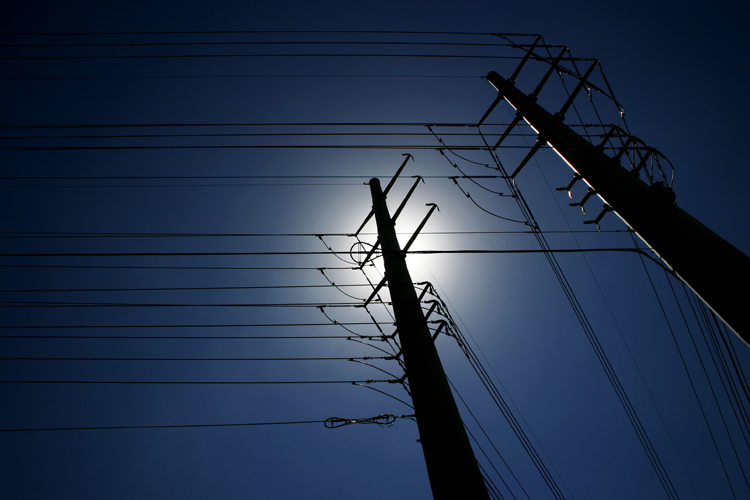
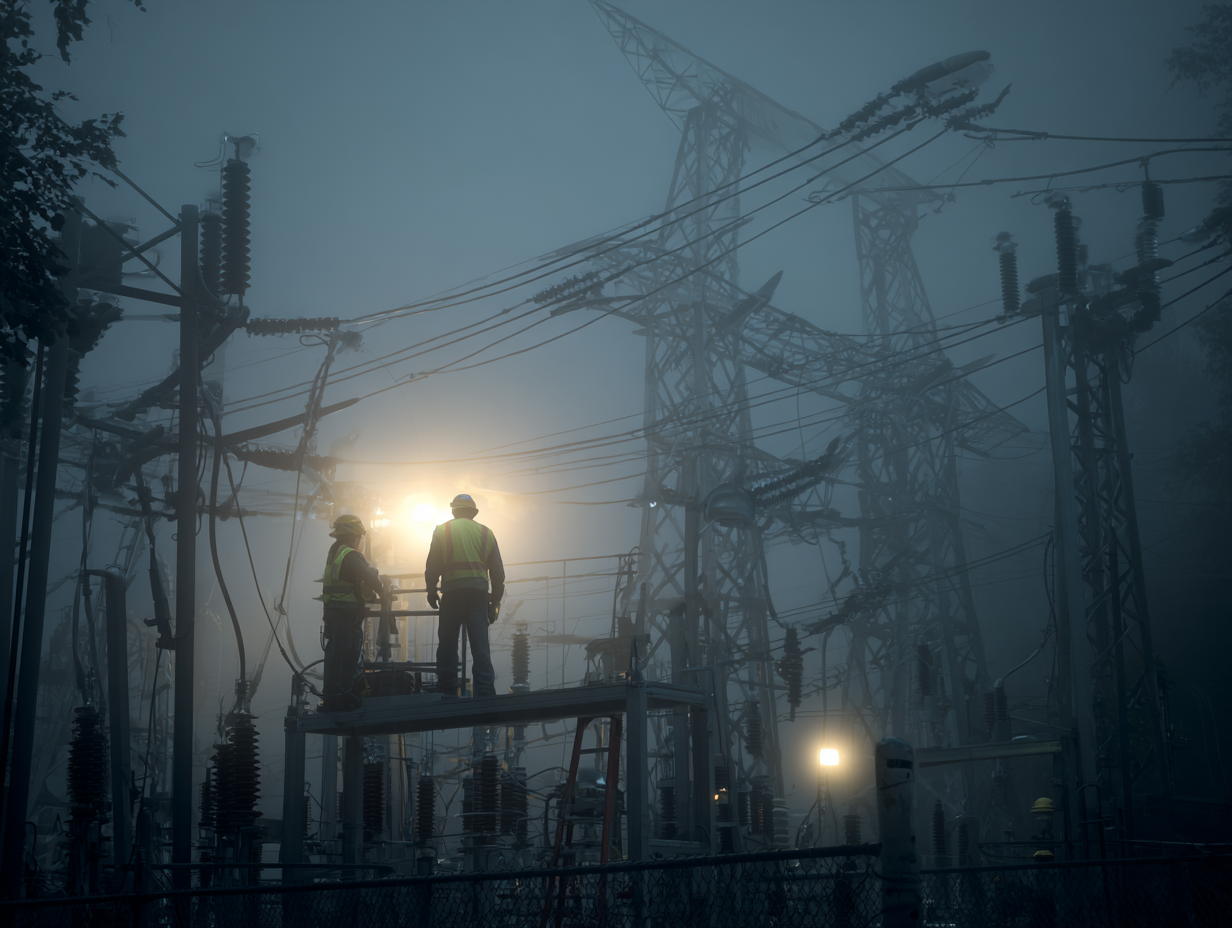
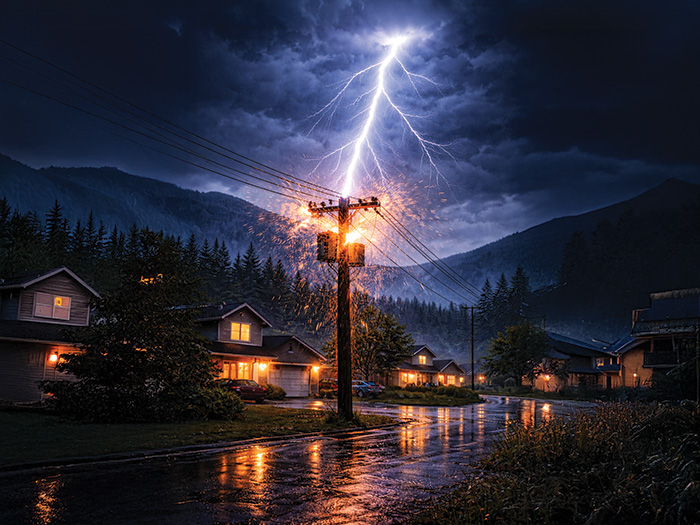
Aging poles and overland lines pose billion-dollar liability and business interruption risks that often fall hardest on companies that do not own the failing infrastructure, according to Allianz Commercial.
Asset managers and insurance focus on single-asset risk scores while missing the hidden dependencies between buildings, infrastructure networks, and communities.
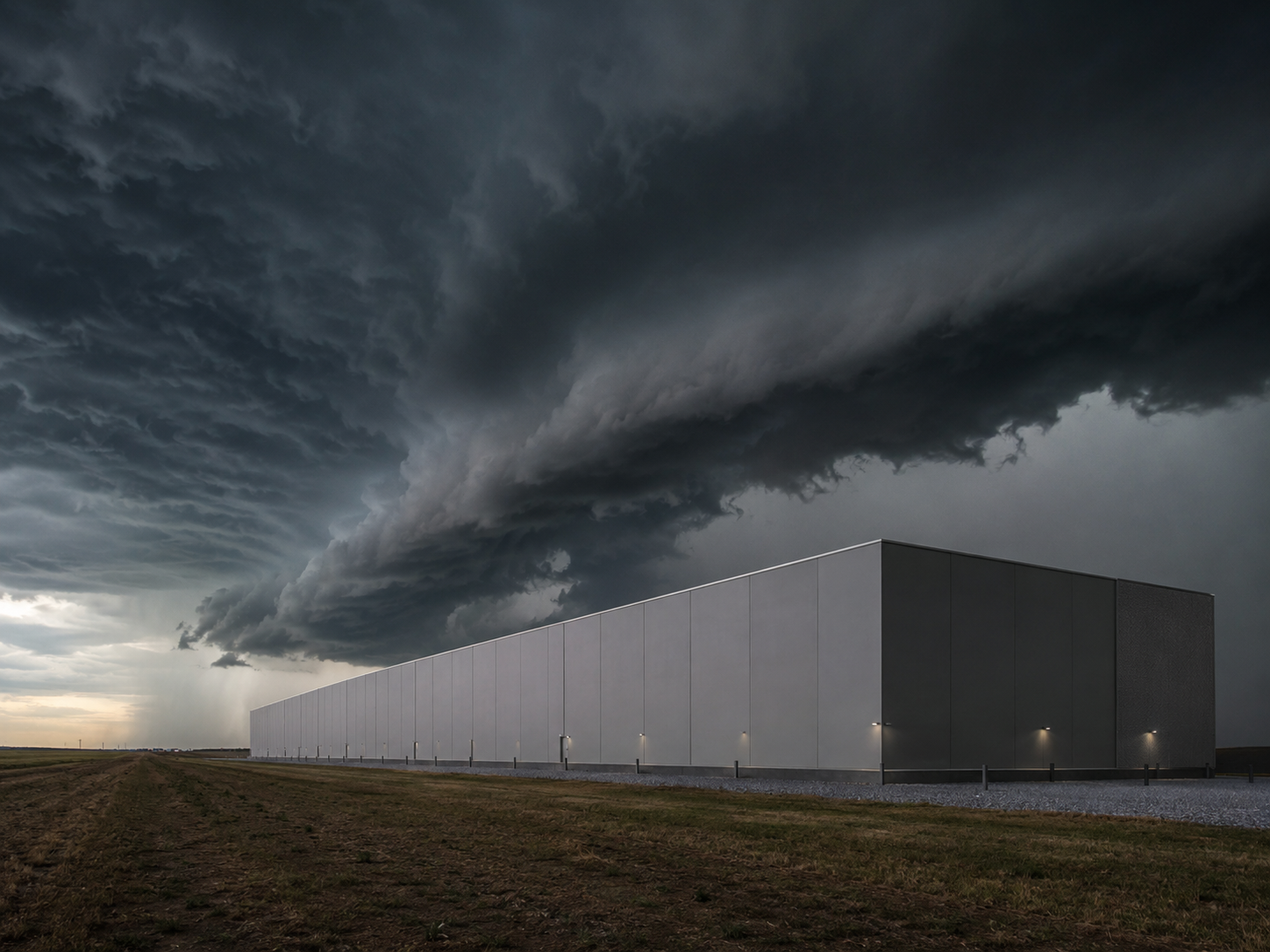
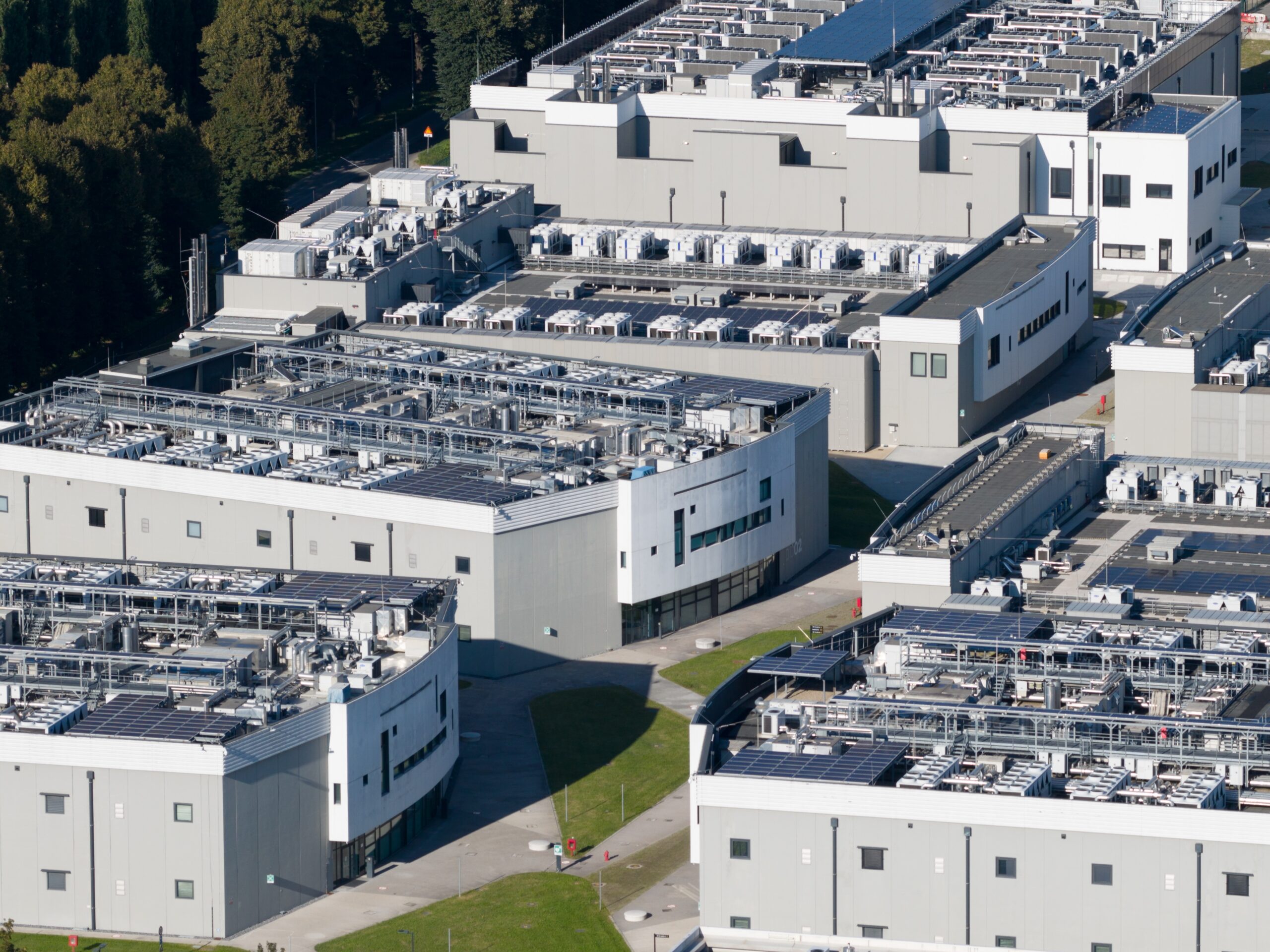
The expansion of AI-driven data centers is generating insurance demand that stretches beyond what the traditional P&C industry has previously experienced, AM Best says.
Insurance buyers and sellers are aligned on the threats reshaping the market, but coverage gaps remain in flood and cyber, according to a joint report from Munich Re US and the Insurance Information Institute.
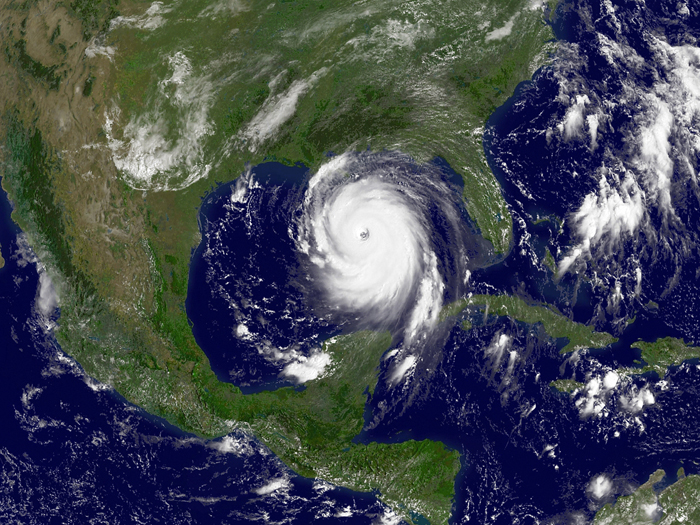
Despite predictions of reduced storm activity in 2026, Allianz Commercial warns that a below-average forecast has rarely guaranteed a below-average loss year.
Business leaders at midsize and large U.S. companies rank cybersecurity and economic pressures as their foremost concerns heading into 2026, according to The Hartford’s annual Risk Monitor.
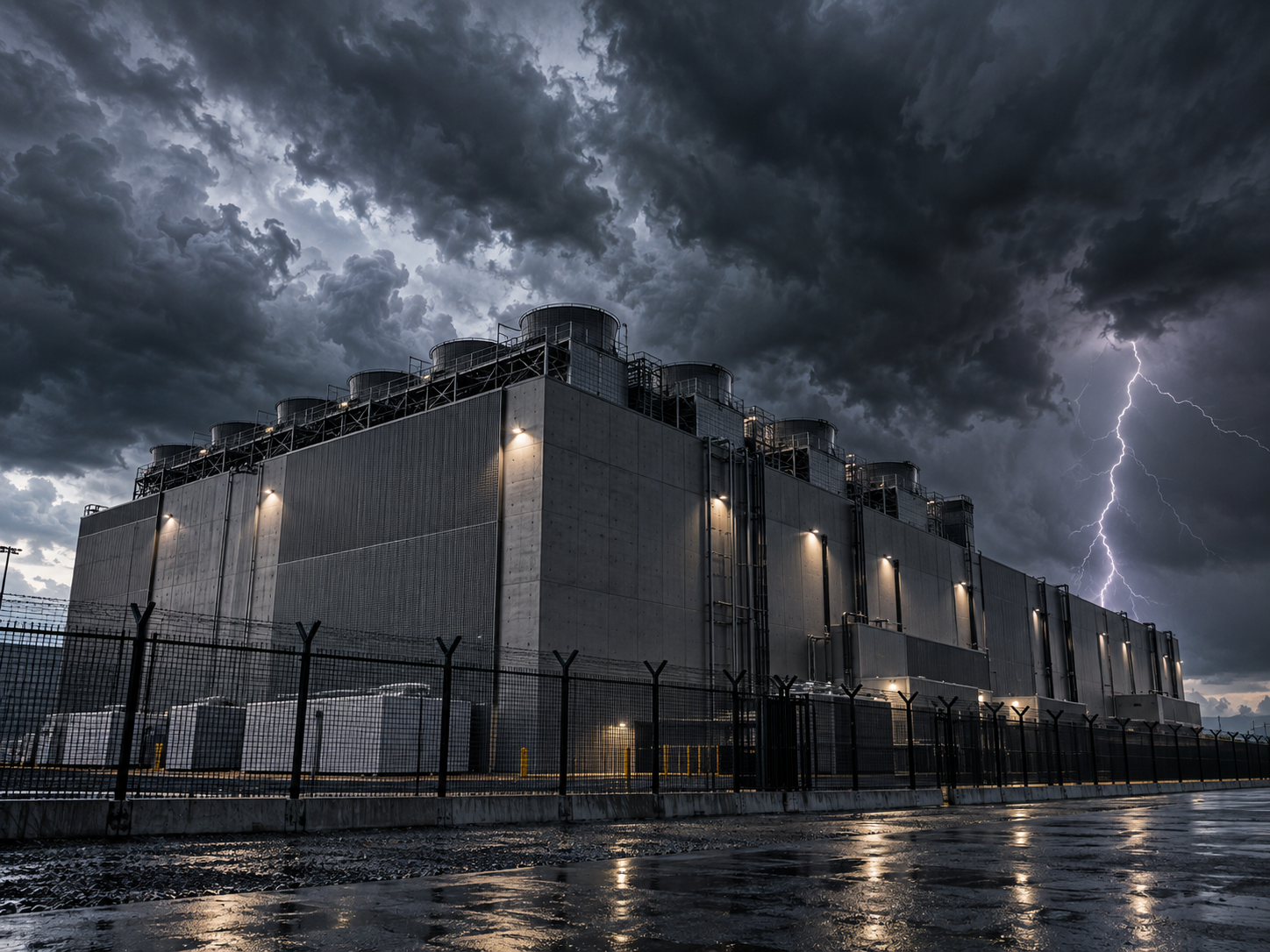
A new report from Zurich North America outlines six critical risk areas facing data center construction and operations as the sector races to meet AI-driven demand.
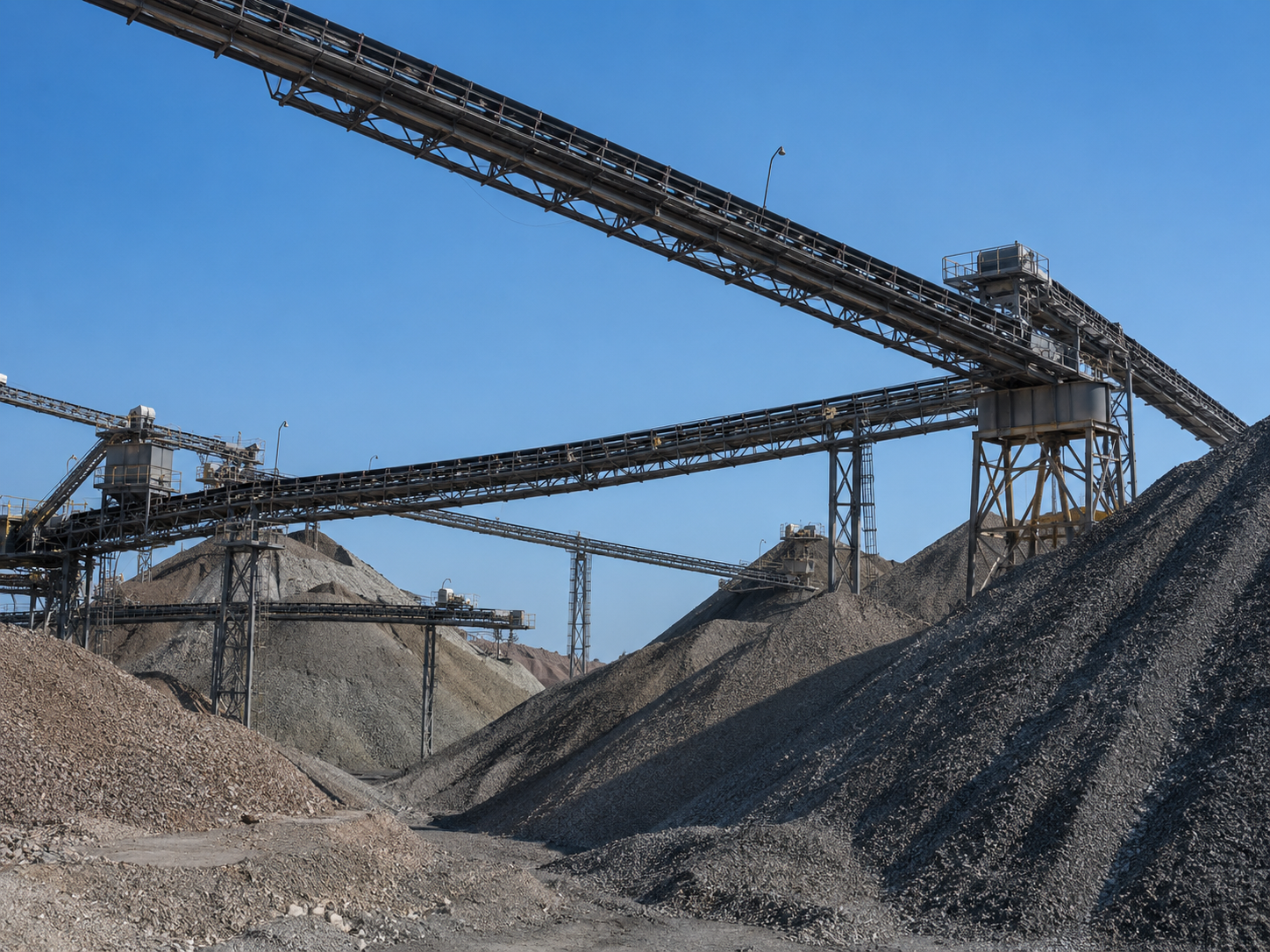
Operational incidents — not natural catastrophes — account for roughly three-quarters of total mining losses, with recovery ratios averaging just 50%, according to Marsh.
Sentry Insurance survey found that while 69% of U.S. executives believe a single multimillion-dollar verdict could shut down their company, only 17% list lawsuits among their biggest threats.
Geoeconomic confrontation, cyberattacks, extreme weather and aging systems are amplifying risks across essential infrastructure networks, according to a Gallagher report.
From supply chain disruptions to cloud outages, systemic shocks are no longer theoretical. Industry leaders explain why predicting and preventing cascading losses requires new tools, deeper collaboration, and a fundamentally different approach to risk.
Construction costs for a single data center location can exceed $20 billion — double once technology is installed — creating concentration exposures in catastrophe-prone areas, according to Swiss Re Institute.
Cumulative losses from severe convective storms now exceed those from hurricanes, challenging the traditional classification of these events as ‘secondary perils,’ according to Allianz Commercial.
Insurance risk leaders face near-term economic pressures while bracing for AI-driven risks, according to Emerging Risk Survey by Casualty Actuarial Society and Society of Actuaries.
Allianz survey finds more than half of risk managers view cascading supply chain disruptions as the most plausible Black Swan event for their companies.
The 2026 FM Resilience Index reveals that emerging physical risks — particularly water stress and fire hazards — are creating blind spots for businesses planning expansion and operations.
In this fictional scenario, a fast-growing beverage company’s dream acquisition turns into a nightmare when a cyber attack cripples its operations and exposes the devastating consequences of an untested business continuity plan.
Average rate increases ease to 2.8% from first quarter’s 3% rise, with commercial property insurance showing improvement, according to Novatae’s Market Barometer.