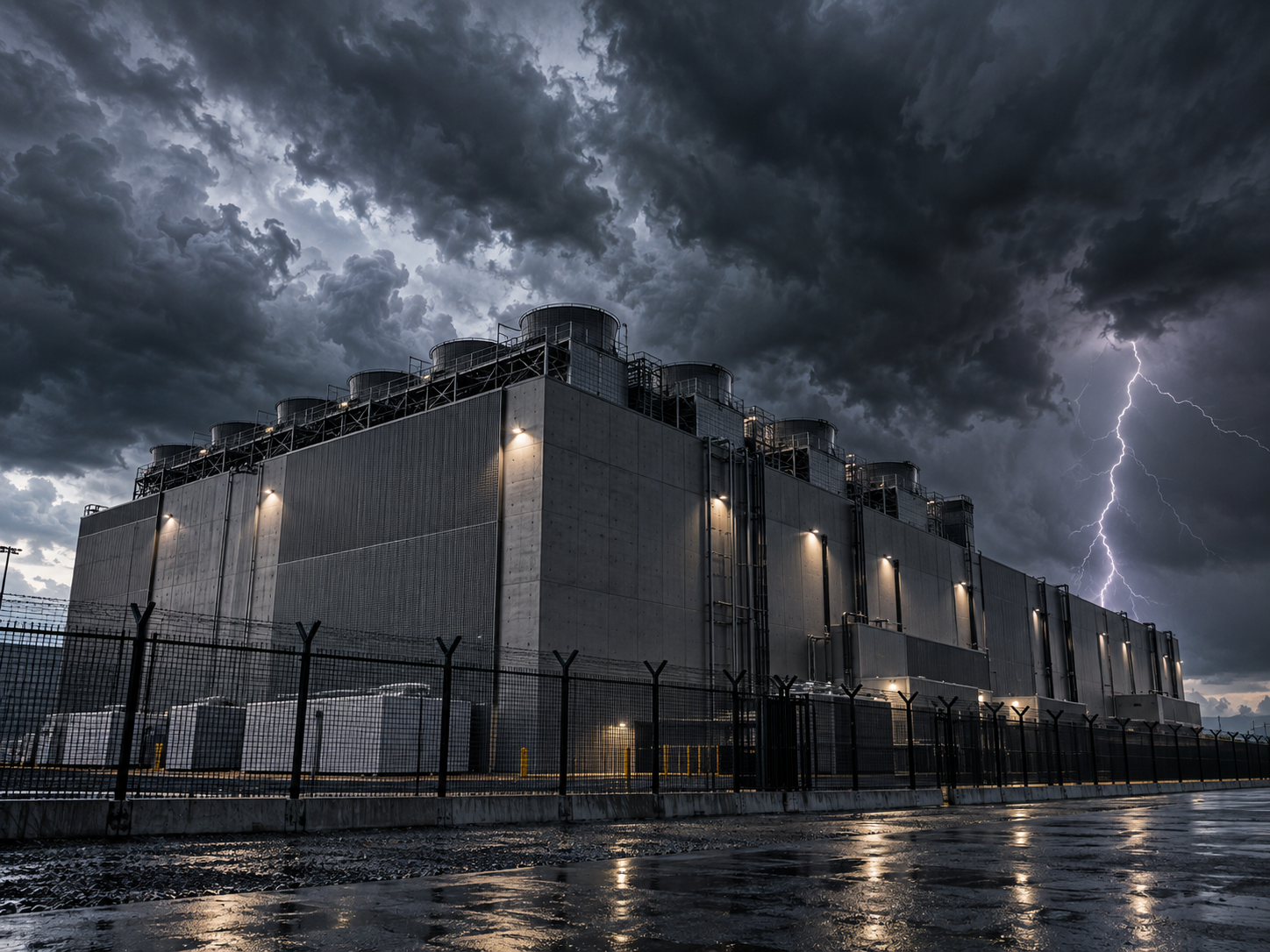
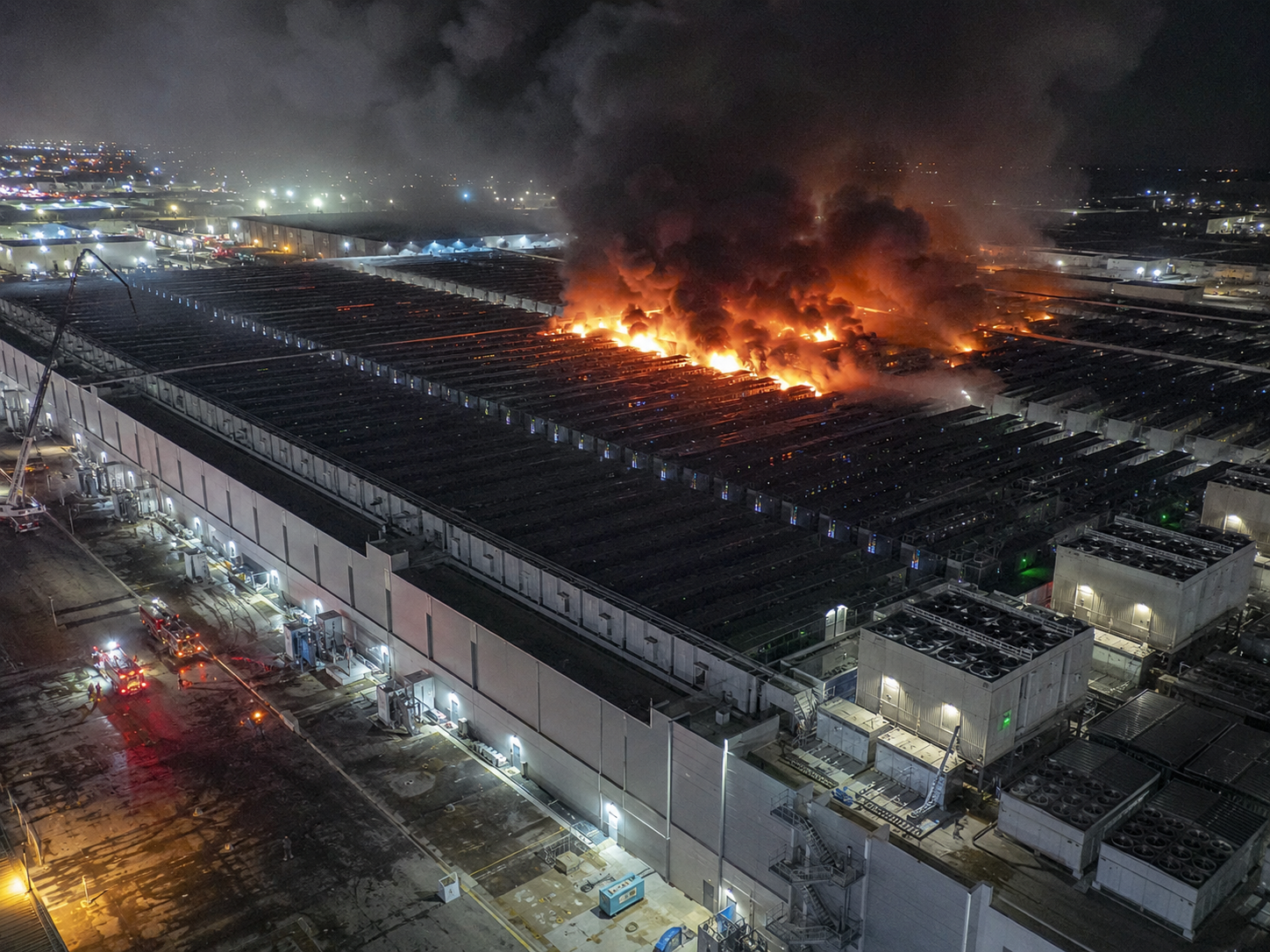
Geoeconomic confrontation, cyberattacks, extreme weather and aging systems are amplifying risks across essential infrastructure networks, according to a Gallagher report.
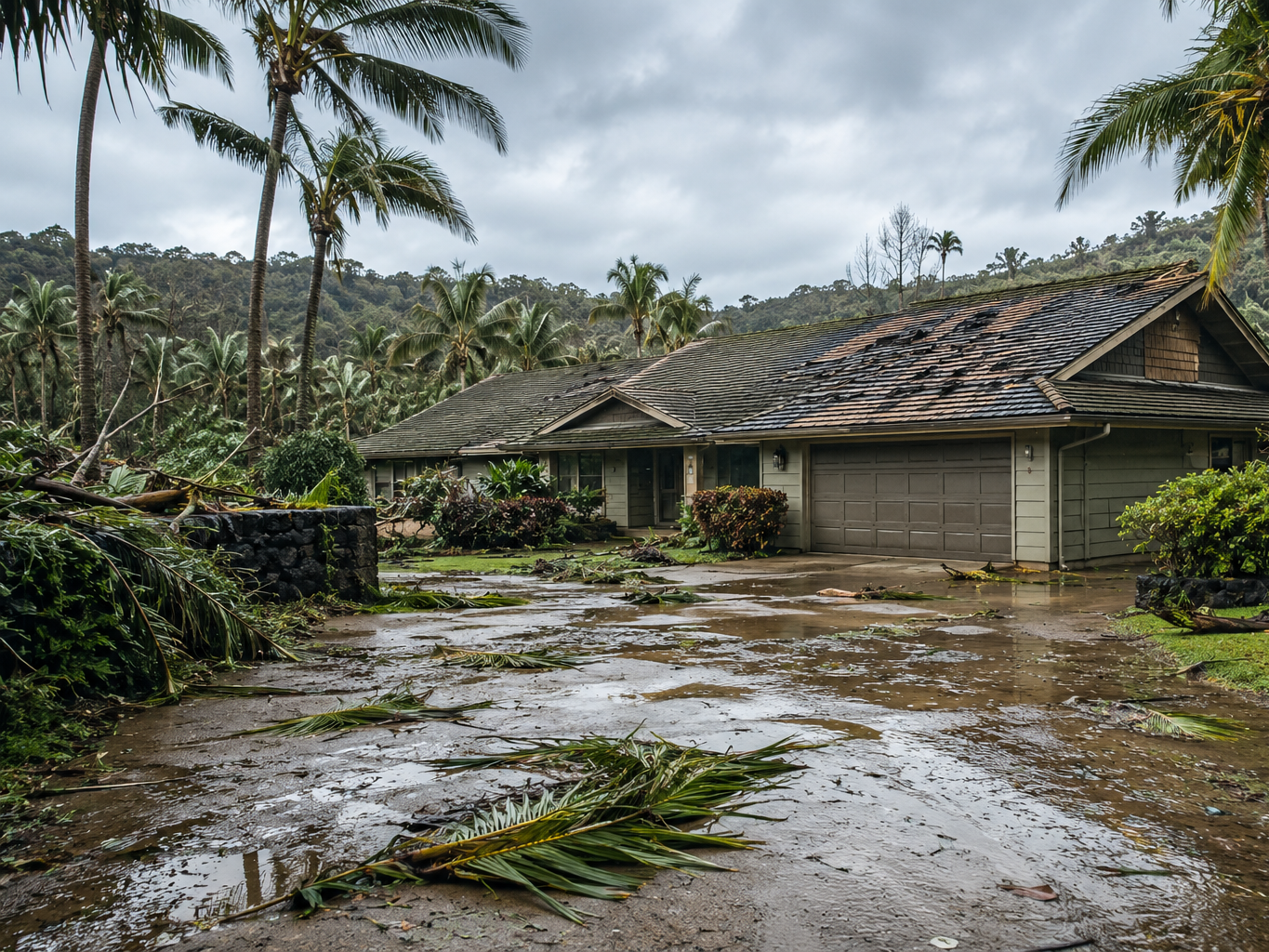
Global insured losses from natural disasters totaled $20 billion in the first quarter of 2026 — 26% below the 10-year average — according to Gallagher Re’s latest Natural Catastrophe and Climate Report.
Global economic losses from natural disasters reached $37 billion in the first quarter of 2026, well below the 21st-century average, while insured losses tracked near historical norms, according to Aon.
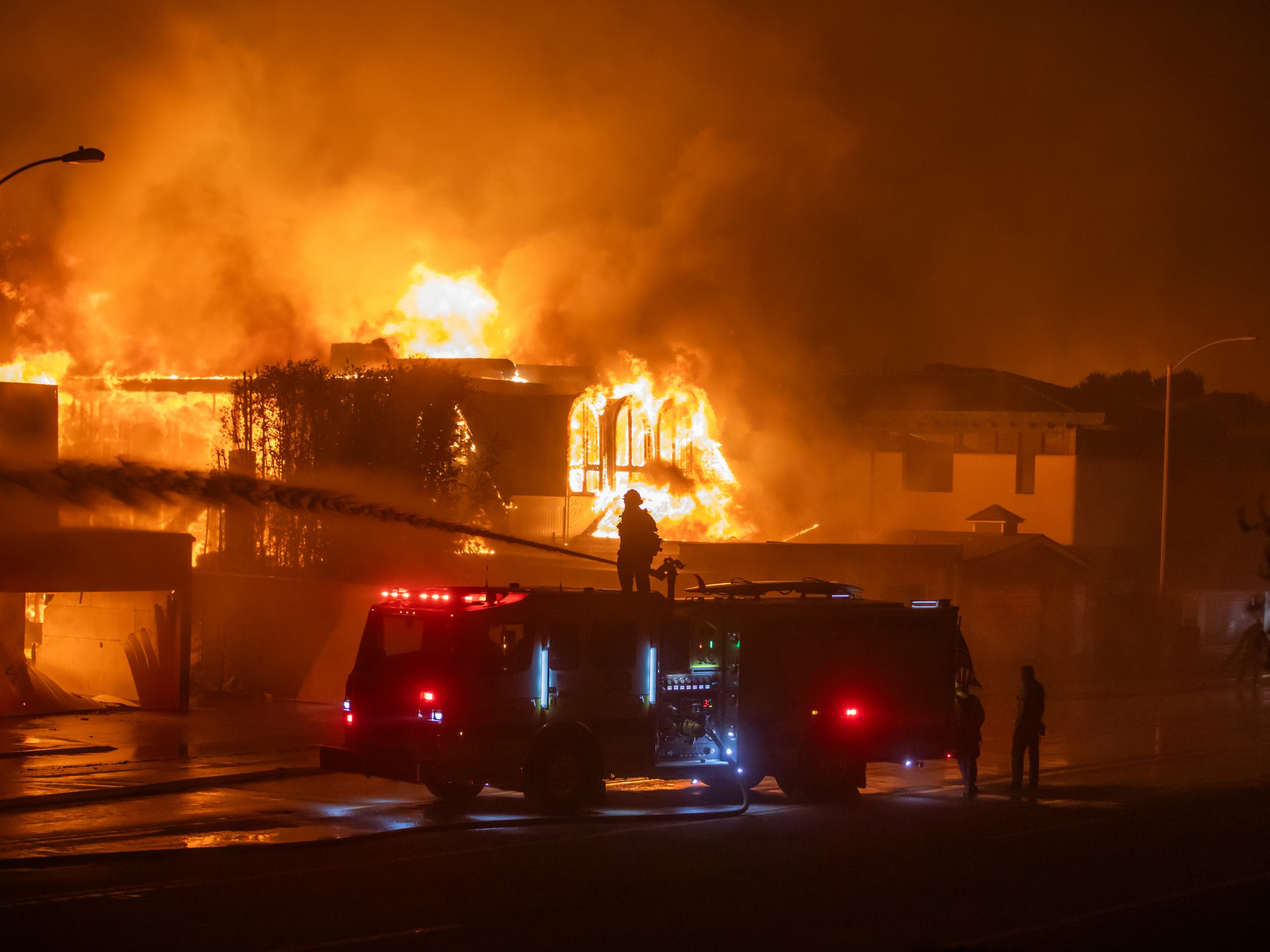
A year-end analysis of ClaimSearch data by Verisk found that quieter weather drove broad declines in claims activity even as the Los Angeles wildfires became the costliest on record.
A report by the California Earthquake Authority concludes that the state’s current systems for managing wildfire risk are failing ratepayers, insurance policyholders, and disaster survivors.
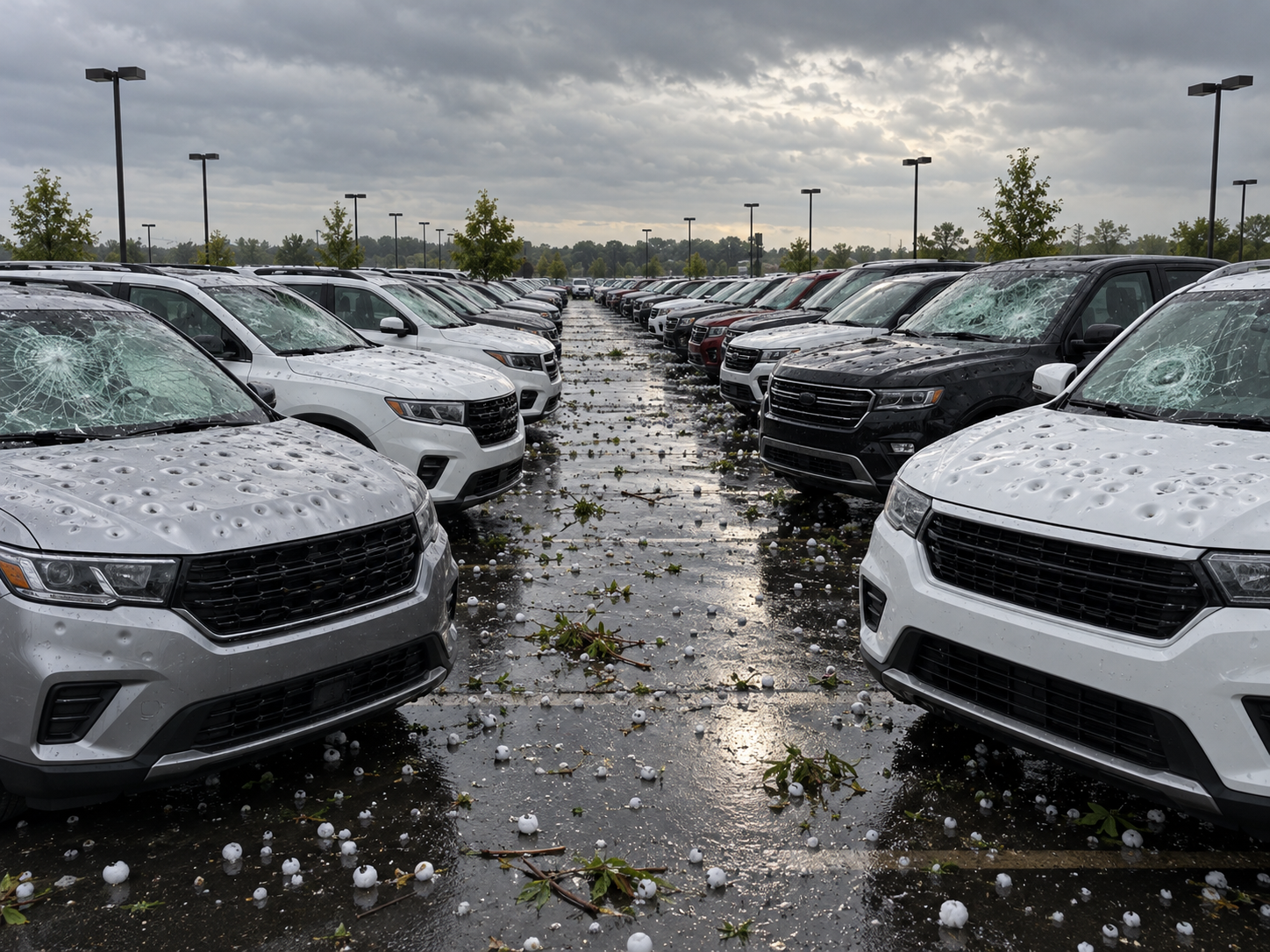
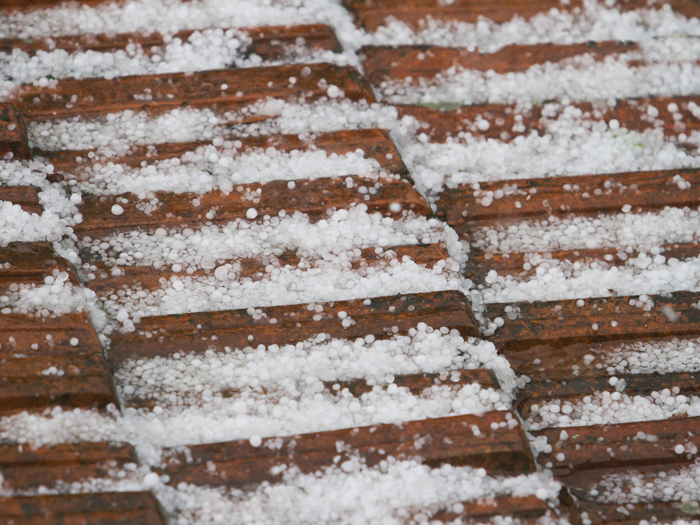
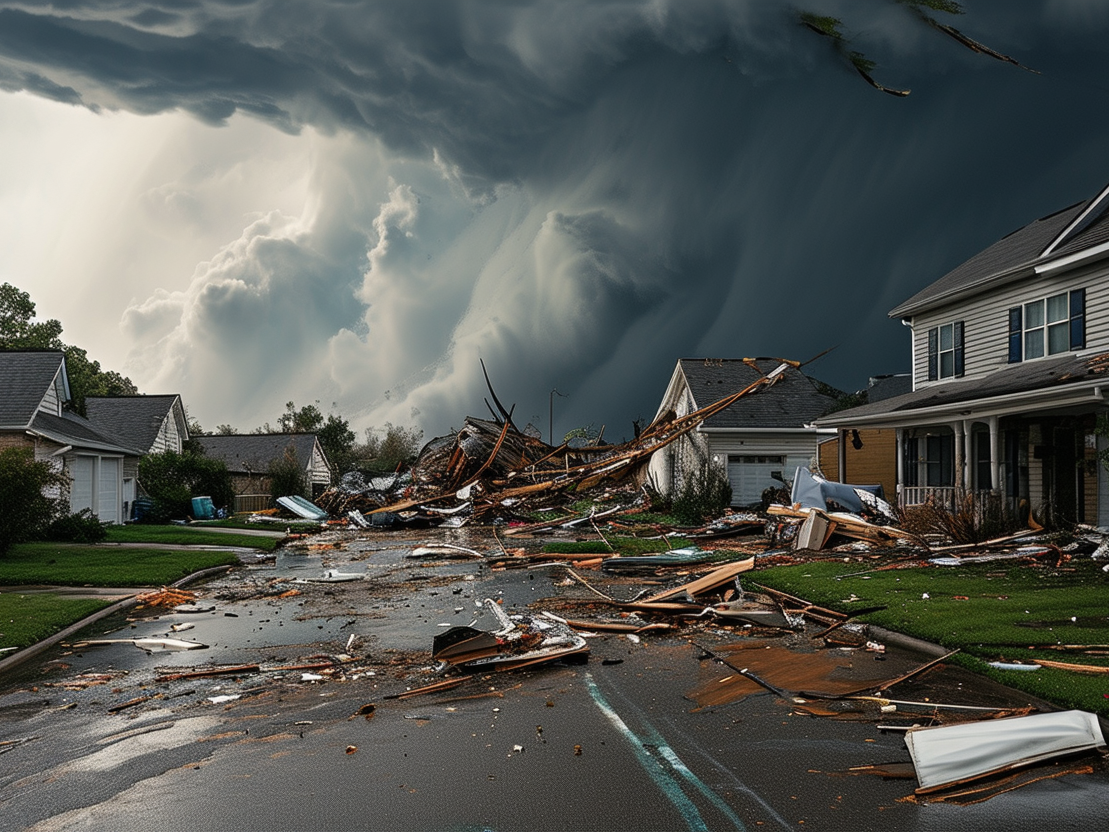
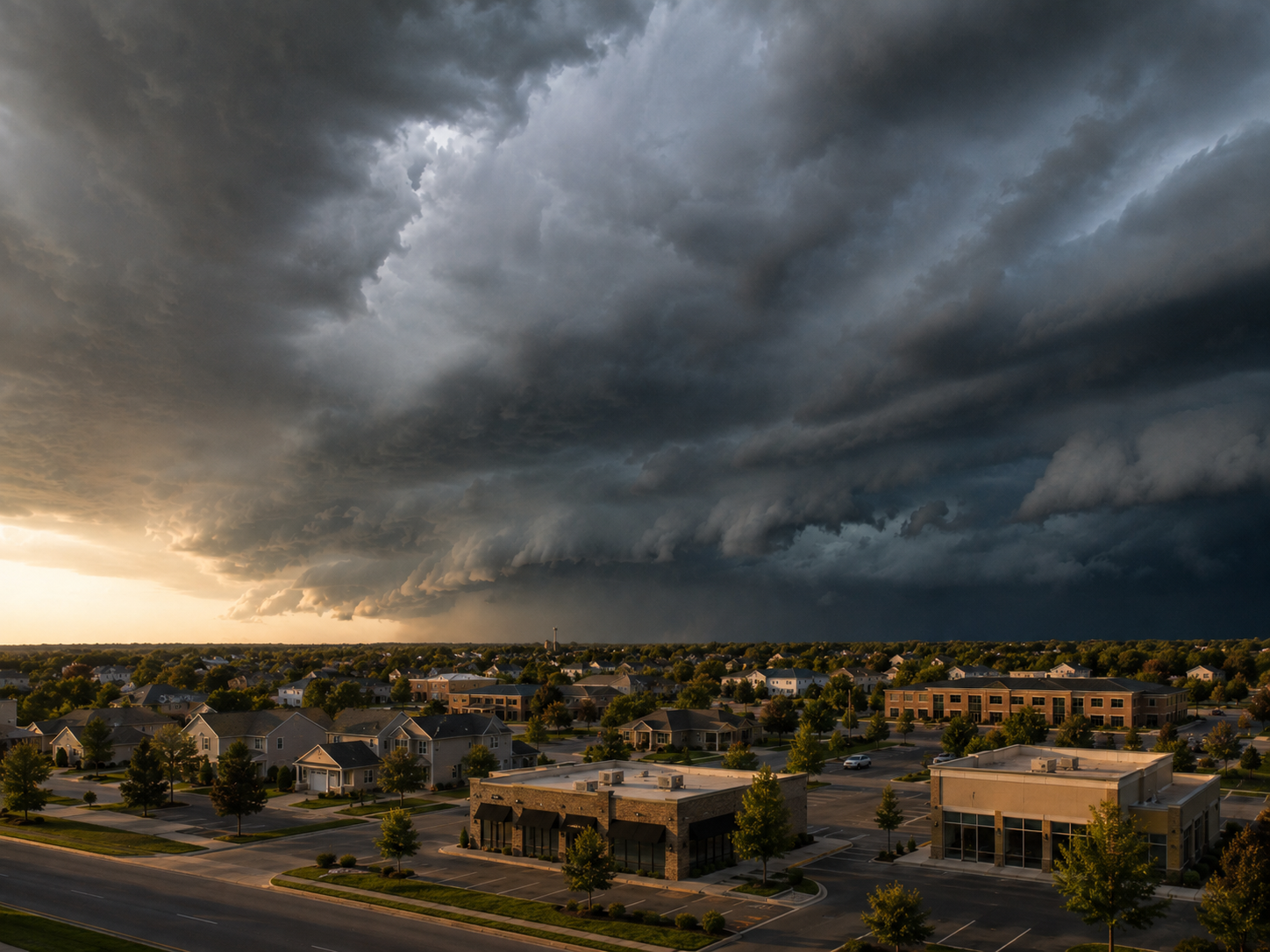
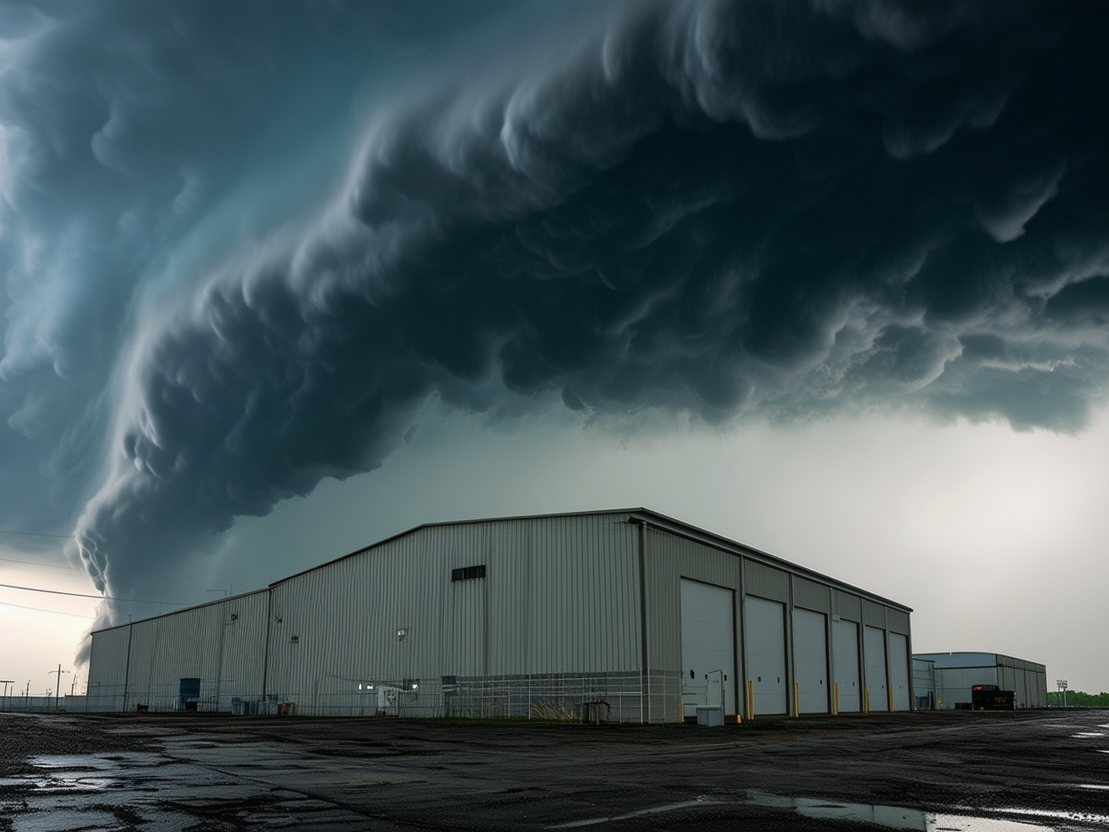
Cumulative losses from severe convective storms now exceed those from hurricanes, challenging the traditional classification of these events as ‘secondary perils,’ according to Allianz Commercial.
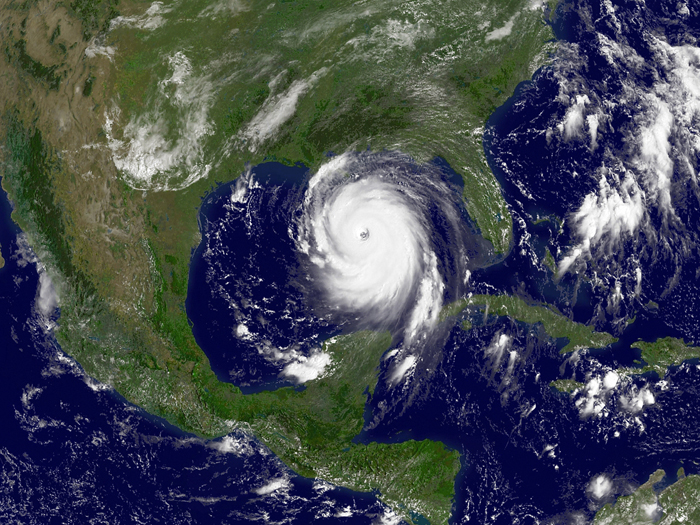
Secondary perils accounted for a record 92% of global insured natural catastrophe losses in 2025, and trend-line projections point to $148 billion in 2026, according to Swiss Re Institute.
Investors deployed record $24.7 billion in catastrophe bonds during 2025, with booming demand from capital inflows and limited loss activity: Swiss Re.
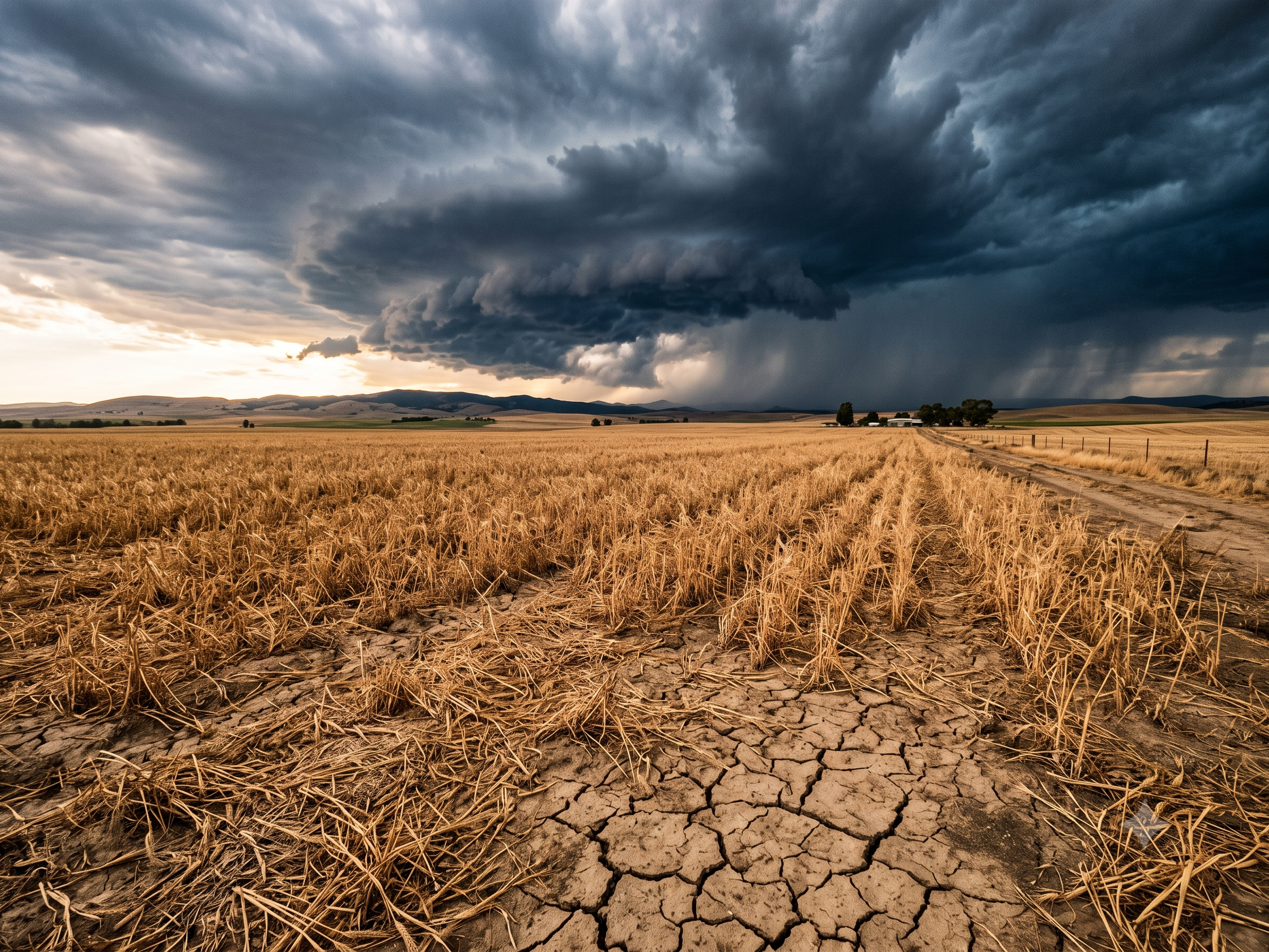
The 2026 FM Resilience Index reveals that emerging physical risks — particularly water stress and fire hazards — are creating blind spots for businesses planning expansion and operations.
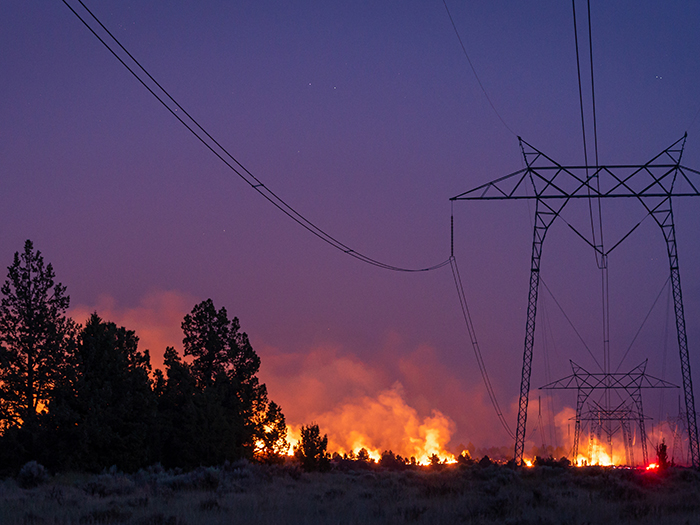
The 2025 Los Angeles fires revealed that catastrophic losses aren’t determined by ignition probability alone, but by whether a fire can scale into a resource-overwhelming event: Delos.
Allianz Risk Barometer shows cyber incidents maintaining top spot for fifth consecutive year, while AI surges to second position amid interconnected business challenges.
More than two-thirds of executives feel more stressed in 2025 than the prior year—driven in part by the rising frequency and severity of extreme weather events. Insurance experts say proactive planning and comprehensive coverage strategies can help businesses build resilience against these growing environmental threats.
With billion-dollar disasters now averaging 23 per year, the Associate in Catastrophe Risk and Resiliency™ program addresses the industry’s urgent need for specialized catastrophe risk management expertise.