The best of R&I and around the web, handpicked by our editors.
White papers, service directory and conferences for the R&I community.
Web replica of the print magazine.
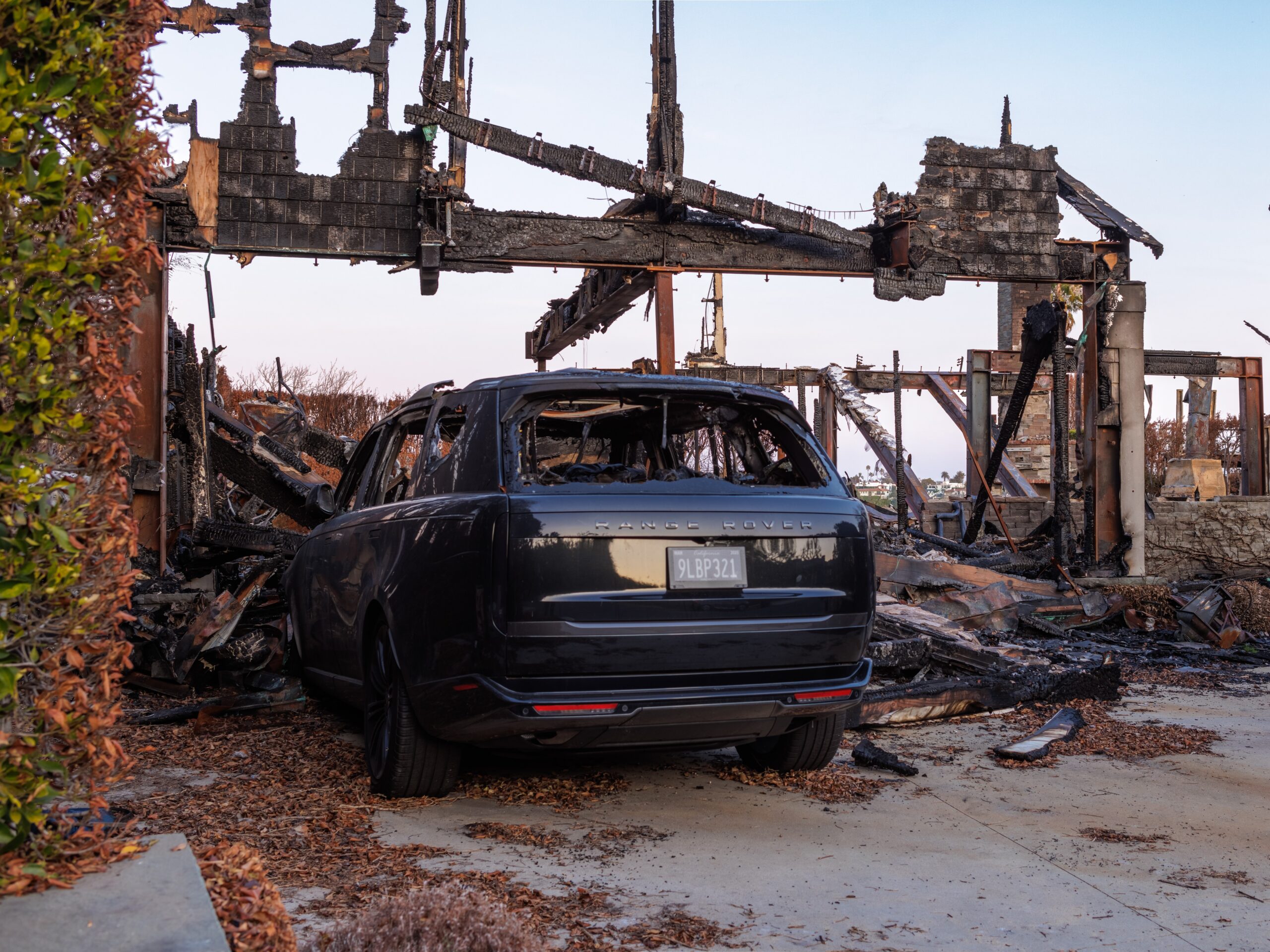
The 2025 Los Angeles fires revealed that catastrophic losses aren’t determined by ignition probability alone, but by whether a fire can scale into a resource-overwhelming event: Delos.
Except for cyber, risk managers can expect declining insurance premiums.
Coral reefs protect against flooding, and coral is used in the creation of heart disease and cancer drugs.
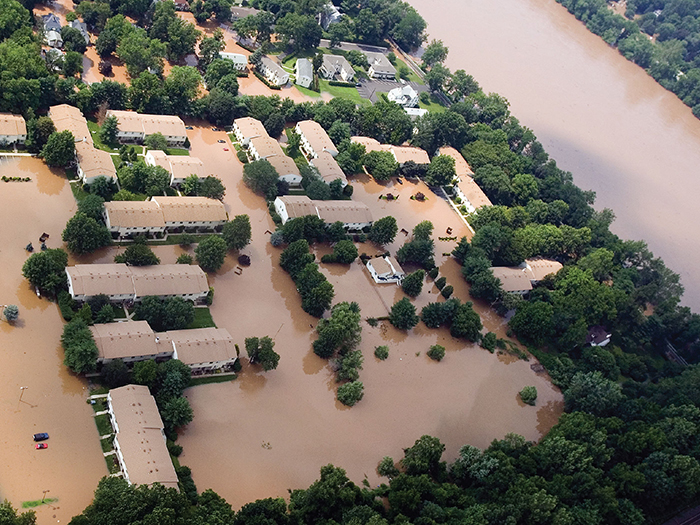
Better modeling and regulatory changes could mean greater private sector participation in flood insurance.
In response to a need to protect fine art and other collectibles from natural catastrophes, the art warehouse industry is on the rise.
A combination of technology and data-centric risk management almost guarantees resilient supply chains.
The fear of powerful winds and storm surge has led to the development of specialty warehouses.
Underwriters are modeling storms better and businesses are revamping their business continuity plans – but memories can be short.
Being in China when the Tianjin explosion occurred left me pondering the insurance implications.
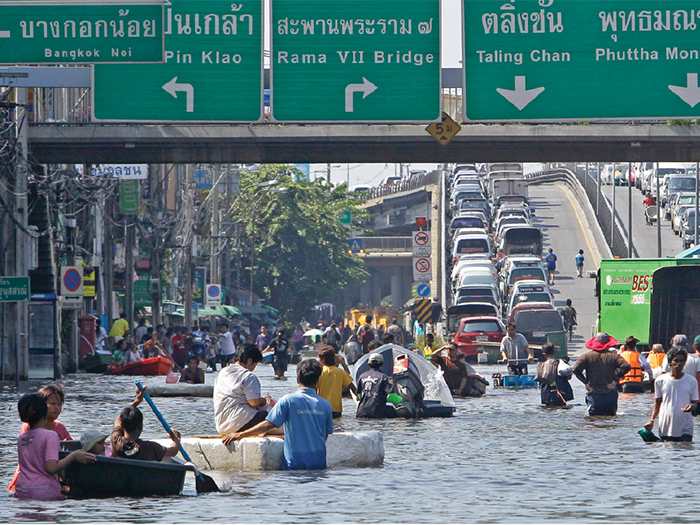
A 45-day superstorm floods California and dishes out economic catastrophe.
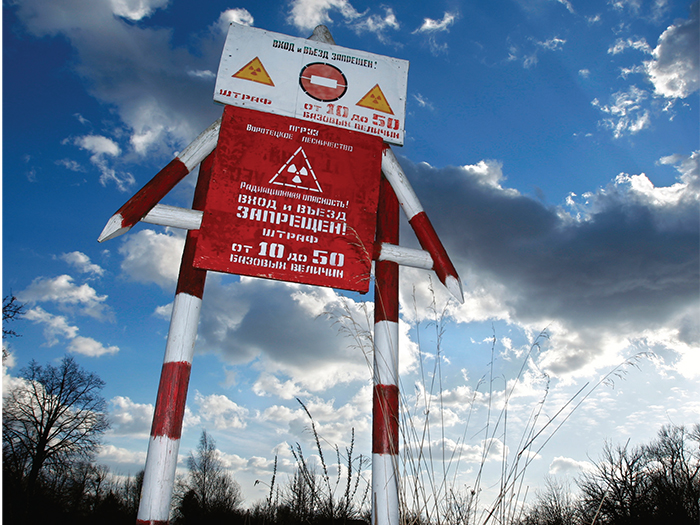
A dirty bomb detonated in Manhattan could make a ghost town of the most populous city in the U.S.
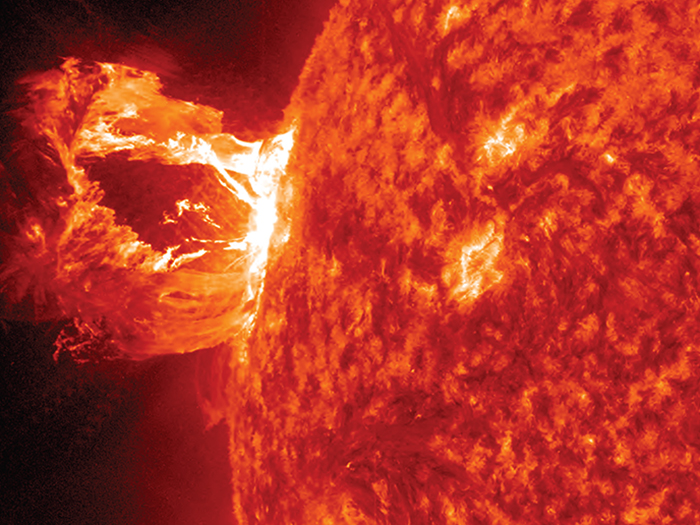
A fast-moving geomagnetic storm blasts the North American power grid, leaving a large swath of the Northeastern U.S. temporarily uninhabitable.
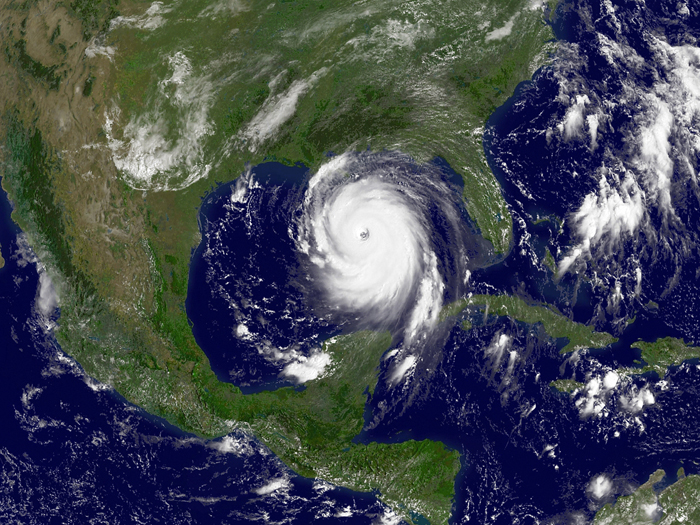
Taking it easy in a light hurricane season is exactly the wrong thing to do.
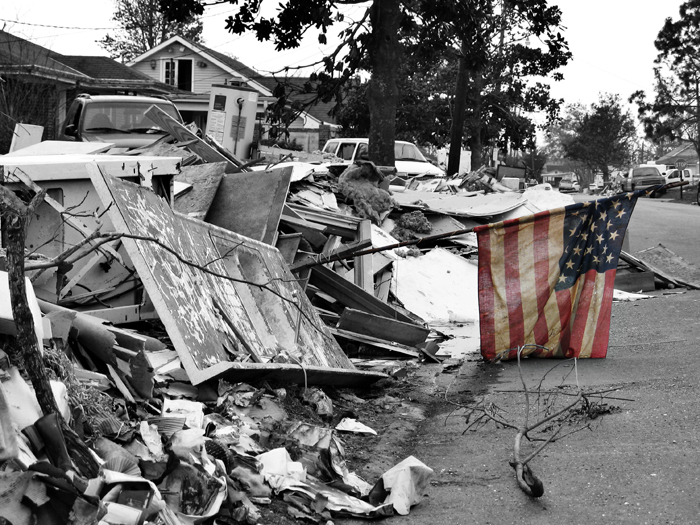
Brokers urge policyholders to understand their policies and avoid the harsh surprises insureds faced in the aftermath of Hurricane Katrina.
The Texas flooding is a prime opportunity for insurers to learn more about automobile technology’s impact on claims numbers.
The Germanwings disaster was chiefly a failure of misplaced trust, our columnist writes.
Four insurance companies have received approval to use drones for claims and risk management purposes.
Solutions considered in the wake of the Germanwings disaster shouldn’t create more risks.
Each year since 2011, Risk & Insurance forecasts the Most Dangerous Emerging Risks — often with uncanny accuracy.
Buoyed by few catastrophes in 2014, insurers and investors are increasingly turning to alternative products.
Insurers are increasingly using CAT bonds and similar products to transfer some of their peak exposures to the capital markets.