The share of C-level leaders who feel their organizations lack sufficient cyber protection has risen steadily to 89%, up from 81% in 2021, according to Munich Re’s Global Cyber Risk and Insurance Survey 2026.
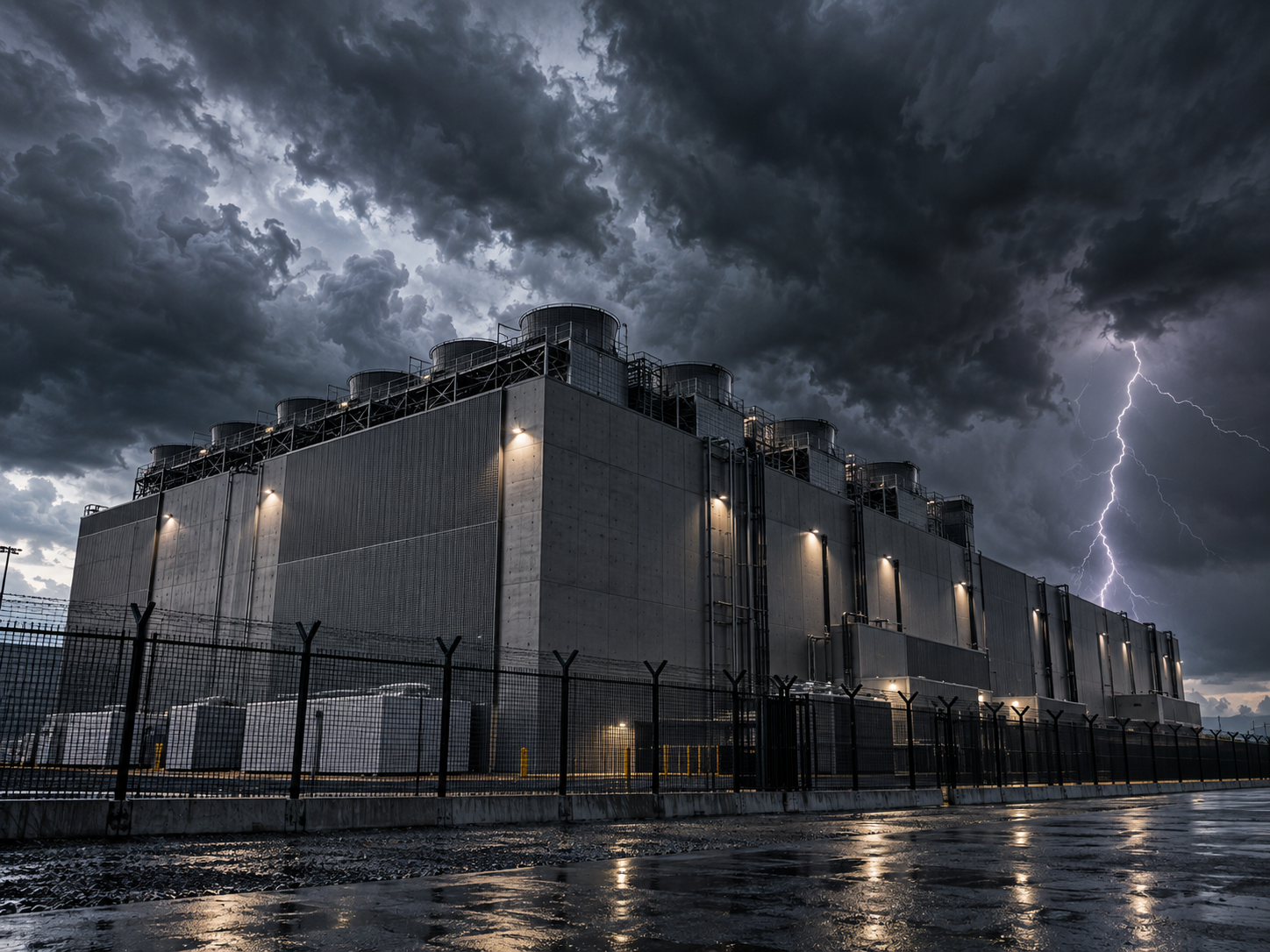
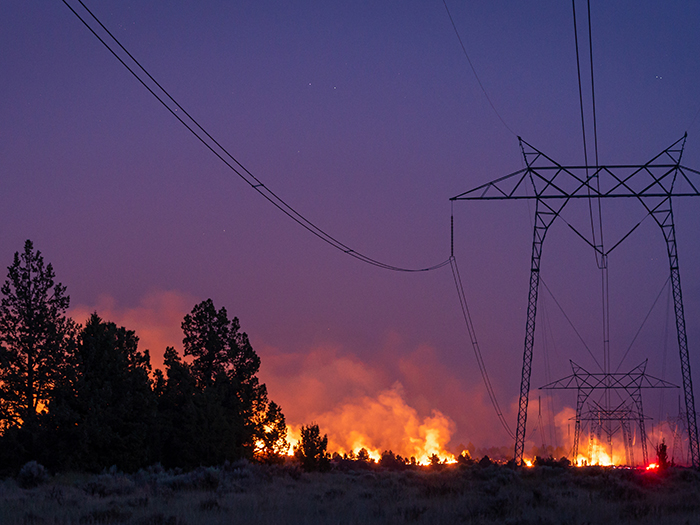
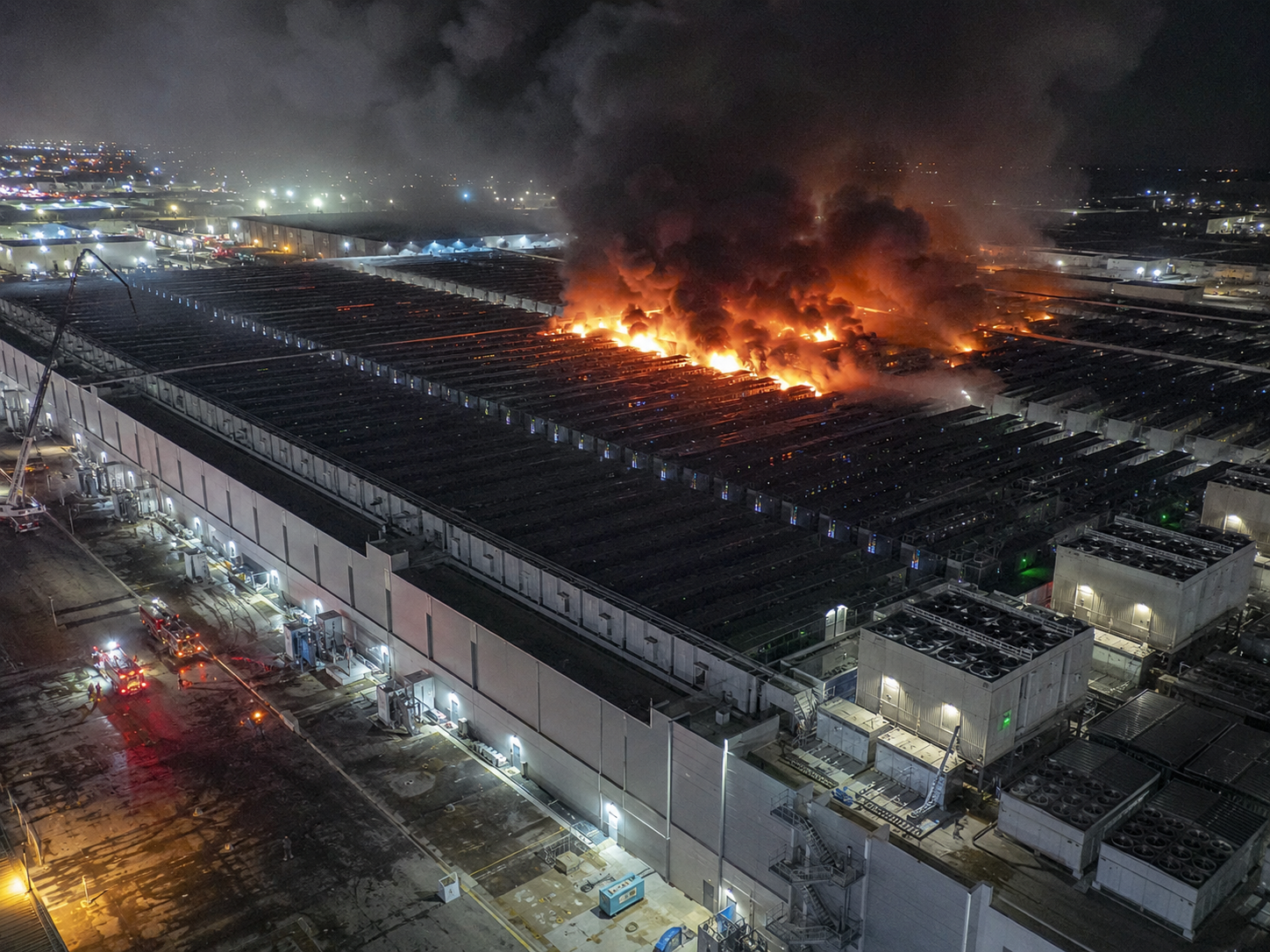
Geoeconomic confrontation, cyberattacks, extreme weather and aging systems are amplifying risks across essential infrastructure networks, according to a Gallagher report.
A majority of insurance companies anticipate significant AI-driven change within three years, yet few have reached advanced implementation, according to AM Best.
Medical costs in the workers’ compensation system grew at a more moderate pace than the broader economy in early 2026, but NCCI says the trend is unlikely to last.
RIMS recognizes Bray and Specialized Bicycle Components’ Emily Buckley for their leadership in embedding risk management into organizational strategy and decision-making.
Deal volume in the insurance agency space fell 6% in the first quarter of 2026 compared to a year earlier, marking the 10th consecutive quarter below the long-term trend line, according to OPTIS Partners.
Global insured losses from natural disasters totaled $20 billion in the first quarter of 2026 — 26% below the 10-year average — according to Gallagher Re’s latest Natural Catastrophe and Climate Report.
Global insurance rates declined for the seventh consecutive quarter in early 2026, driven by property rate drops and persistent insurer competition, Marsh reports.
The rapid expansion of solar photovoltaic farms into hail-prone regions is creating new underwriting challenges that demand better risk modeling and mitigation strategies, according to Gallagher Re and AXIS.
Firms with fewer than 20 employees represent more than 90% of construction payroll and face disproportionately higher fatal and nonfatal injury rates, according to CPWR — The Center for Construction Research and Training.
Compounding forces including litigation funding, nuclear verdicts and aggressive trial strategies are pushing medical professional liability severity well beyond general inflation, S&P Global Market Intelligence found.
Average payments for air ambulance transport in workers’ compensation climbed sharply between 2013 and 2024, with wide variation across states, according to the Workers Compensation Research Institute.
Global economic losses from natural disasters reached $37 billion in the first quarter of 2026, well below the 21st-century average, while insured losses tracked near historical norms, according to Aon.
A joint report from the Insurance Information Institute and Fenix24 found that insurers, despite setting cybersecurity standards for policyholders, still have vulnerabilities in their own defenses.
Poor communication contributes to nearly 70% of workplace incidents, underscoring the business case for fostering psychological safety in construction and other high-risk industries, Gallagher Bassett says.
Nonfatal workplace assaults climbed steadily from 2011 through 2022, driven overwhelmingly by violence in health care and social assistance settings, according to NCCI.
Despite a 3% increase in global cyber claims frequency, average losses in 2025 dropped 19% year over year as organizations became more effective at limiting breach damage, according to Coalition.
Chubb’s 2026 Cyber Claims Report finds that autonomous AI attacks, expanding privacy litigation, and supply chain interdependence are driving divergent trends in cyber claim frequency and severity.