Newsletters
 Risk Central
 Digital Edition
Psychological Safety on Jobsites Directly Reduces Incidents and Turnover, Analysis Shows
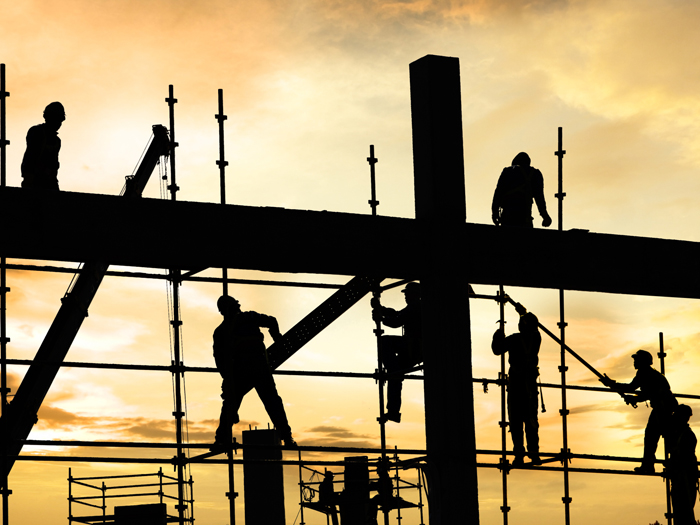
Communication breakdowns remain one of the most persistent and costly risks on construction sites, and a growing body of evidence ties those failures to work environments where employees fear speaking up. The National Safety Council has identified poor communication as a contributing factor in nearly 70% of workplace incidents, according to a recent analysis from Gallagher Bassett.
The findings reinforce that psychological safety — the shared belief among team members that they can raise concerns, admit mistakes and suggest improvements without fear of punishment — is not merely a cultural aspiration but a measurable driver of safety and operational performance, Gallagher Bassett said.
The concept, first defined by Harvard professor Amy Edmondson as “a shared belief that the team is safe for interpersonal risk-taking,” has gained traction in industries where the consequences of silence can be severe. For risk managers overseeing construction operations, the implications are particularly acute: unreported hazards, hidden near misses and suppressed feedback can all escalate into serious losses.
The Link Between Openness and Innovation
Organizations that cultivate psychological safety see measurable gains in both safety and productivity, research shows. A 2023 McKinsey report found that teams with high psychological safety are 4.6 times more likely to innovate than those without it. In construction, that innovation often takes practical forms — identifying a sequencing change that reduces downtime, flagging faulty equipment before it causes injury or proposing a more cost-effective materials solution, the analysis noted.
A 2021 Deloitte report added further evidence, finding that inclusive teams with high psychological safety outperform peers by 80% in team-based assessments. For construction crews — which typically comprise workers from diverse trades, skill levels and cultural backgrounds — that inclusivity helps surface perspectives that might otherwise go unheard, the analysis said.
Warning Signs for Risk Managers
Risk managers and safety directors should watch for specific behavioral indicators that suggest a worksite lacks psychological safety, the report said. Among the most telling: hazards that go unreported or are quietly corrected without discussion, toolbox talks dominated by the same few voices, and a pattern of errors being concealed rather than examined.
High turnover and chronic absenteeism can also signal a psychologically unsafe environment, Gallagher Bassett said. In an industry already contending with skilled labor shortages, the loss of experienced workers creates training gaps, slows project timelines and drives up costs, the analysis noted. When workers feel unsupported or fear backlash, stress levels rise — contributing to burnout and further attrition.
Perhaps most critically from a claims perspective, environments where blame is the default response to mistakes prevent organizations from learning. Near misses go unexamined, root causes remain unaddressed and repeat safety incidents become more likely, the report said.
Read the full report here. &