The best of R&I and around the web, handpicked by our editors.
White papers, service directory and conferences for the R&I community.
Web replica of the print magazine.
The R&I Editorial Team can be reached at [email protected].
A new survey of risk, compliance, and resilience professionals found that 75% report increased pressure on their role over the past year, according to Riskonnect.
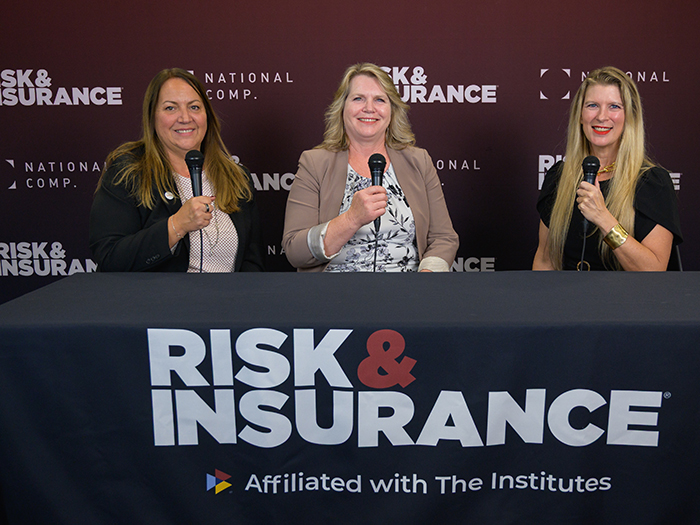
How Advocate Health merged two large workers’ comp programs into one standard of work, combining the best of each for teammates across six states.
How Benchmark Senior Living’s caregiving culture — from a $450,000 associate relief fund to immediate modified duty — shapes its comp and safety results.
Burlington Stores and Constitution State Services explain how sharing the ‘why’ with supervisors improved claim reporting and drove litigation and lost time down.
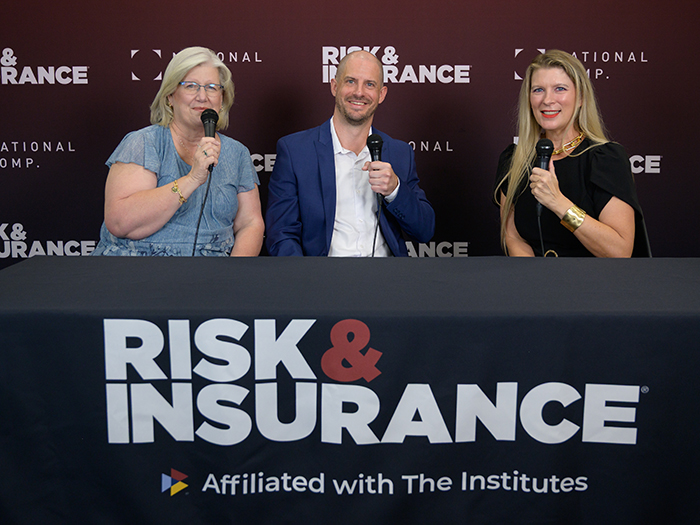
How First Student and Enlyte use nonprofit transitional duty, early case management, and bus camera footage to improve outcomes for injured drivers.
Continental Tire and Enlyte explain how triaging every claim at first report helps spot the complex 15% that drive most workers’ comp costs.
How Griffin Health Services rebuilt its safety program around manager accountability and cut overexertion injuries 50% in a multiyear effort.
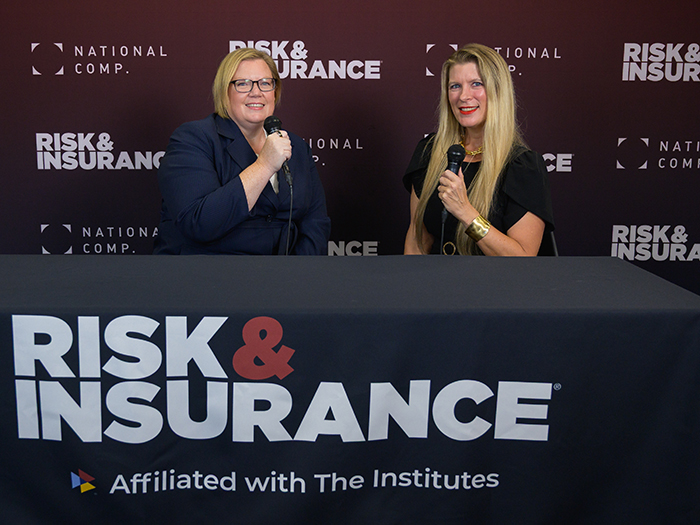
Foundation Building Materials’ Anna Kakuta explains how the company keeps white glove claims service and a human touch while growing to 439 locations.
How the Georgia School Boards Association’s self-insured comp program uses former school leaders as advocates to tailor safety and claims support.
How the State of Nevada and Optum cut workers’ comp claims involving opioids from 17.8% to 9.9% without taking an anti-opioid stance.
A new Nationwide survey reveals a widening gap between awareness of A.I.-enabled cyber risks and preparedness to respond — and points to the growing role of insurers in closing it.
How does Rumpke Waste & Recycling hold a 98% return-to-work rate? A nurse within 24 hours, objective truck data, and treating every injured worker as family.
CorVel CEO Sarah Scott on why A.I. in claims should be judged by return to work and cost, not adoption, and why claim counts no longer measure workload.
Sixty tips. Sixty minutes. Six panelists. Plus a heckling moderator and a timekeeper delivering buzzers, horns and duck quacks. It’s the very best in learning with laughs.
Property rates continue to fall despite billions in losses while casualty capacity tightens and power and renewables risks grow more complex, according to Amwins.
Medical costs for lost-time workers’ compensation claims in Minnesota stabilized in 2025 as declining hospital payments offset rising utilization, according to the Workers Compensation Research Institute.
Among workers with visibility into document creation, 51% say their company uses generative AI to help write safety documents, but only 18% of companies have a policy on accountability for A.I. errors, Tradesafe survey found.
Directors and officers face mounting exposure to cyber threats as organizations sharpen their focus on resilience, risk quantification and incident preparedness, according to WTW.
Hail-stow automation, fuse installations and controlled shutdowns each prevented significant damage to renewable energy assets during severe weather and equipment failures, according to kWh Analytics.
FM will provide eligible policyholders with an estimated $855 million through a 10% premium offset in 2027, according to the mutual insurer.

 Newsletters
 Risk Central

 Risk Central

 Digital Edition