Brokers overwhelmingly expect affordability pressures to transform benefits plan design within five years, according to the Council of Insurance Agents & Brokers.
Ransomware activity in Q1 2026 held at its second-highest level on record while internal AI adoption is emerging as a cyberrisk for companies, according to Travelers.
Accelerating claim frequency, catastrophic condition costs, and specialty pharmacy inflation are pressuring rates in the medical stop loss market, according to Tokio Marine HCC.
AI-related incidents rose approximately 50% year over year from 2022 to 2024, and exposure is building across multiple insurance lines, according to WTW’s Willis Research Network.
Workplace safety manager employment has grown 165% since 2010, far outpacing overall job growth, but staffing levels vary sharply by state and industry, according to TraceOne.
The biggest fraud threats today aren’t isolated incidents — they’re sophisticated networks designed to blend seamlessly into legitimate business operations.
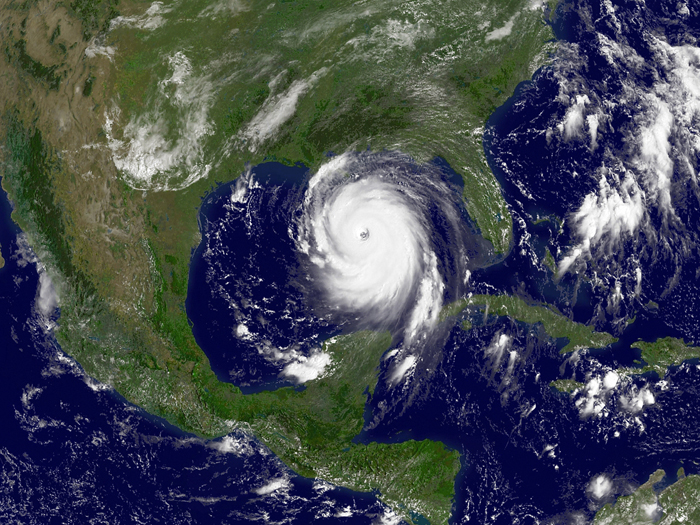
Despite predictions of reduced storm activity in 2026, Allianz Commercial warns that a below-average forecast has rarely guaranteed a below-average loss year.
AI litigation is spreading beyond tech, M&A activity is surging, and boardrooms are reckoning with a regulatory landscape that’s rewriting what director accountability looks like. according to WTW and Reed Smith survey.
Prices paid for nonhospital professional services ranged from 28% below the multistate median to 174% above it in 2025, according to the Workers Compensation Research Institute.
New York State recorded 55 construction worker deaths in 2024, with non-union sites, Latinx workers, and declining OSHA activity emerging as critical risk factors, according to NYCOSH.
Ample capacity is keeping pricing competitive across most lines for financial institution buyers, but underwriters are tightening terms in specific high-risk area, according to Gallagher.