By consolidating legacy systems into a single, integrated national model, Walmart Claim Services delivered enterprise-level consistency and meaningful improvements in the experience of injured associates, provider payments, and pharmacy oversight across one of the largest workers’ compensation programs in the country.
By rebuilding trust from the firehouse up — through transparency, creative accommodations, and an ad hoc committee that put all the right people in the same room — Metro Fire’s HR team transformed a strained workers’ compensation program into one of the most proactive and collaborative in the fire service.
By building a seamless system that puts the right information in front of injured employees the moment they need it — and backs it up with a rigorously tested ergonomics program — State Farm’s workers’ compensation team has made early intervention a reality, not just a goal.
In a profession defined by caring for others, Benchmark Senior Living has built a workers’ compensation and safety program that turns that same ethic inward — treating injured associates with the same commitment to human connection that defines care for its residents.
By asking a simple but powerful question — why should an injured employee receive better benefits on short-term disability than on workers’ compensation? — Fox Corporation built a salary continuation program that transformed its workers’ comp experience and gave injured employees something rare: the freedom to focus entirely on getting well.
By deploying dedicated telephonic case managers, systematically using injury video evidence, and tackling Medicare exposure head-on, First Student transformed the workers’ compensation program supporting the largest school bus fleet in North America — and proved that doing right by injured employees and achieving strong financial outcomes are not competing goals.
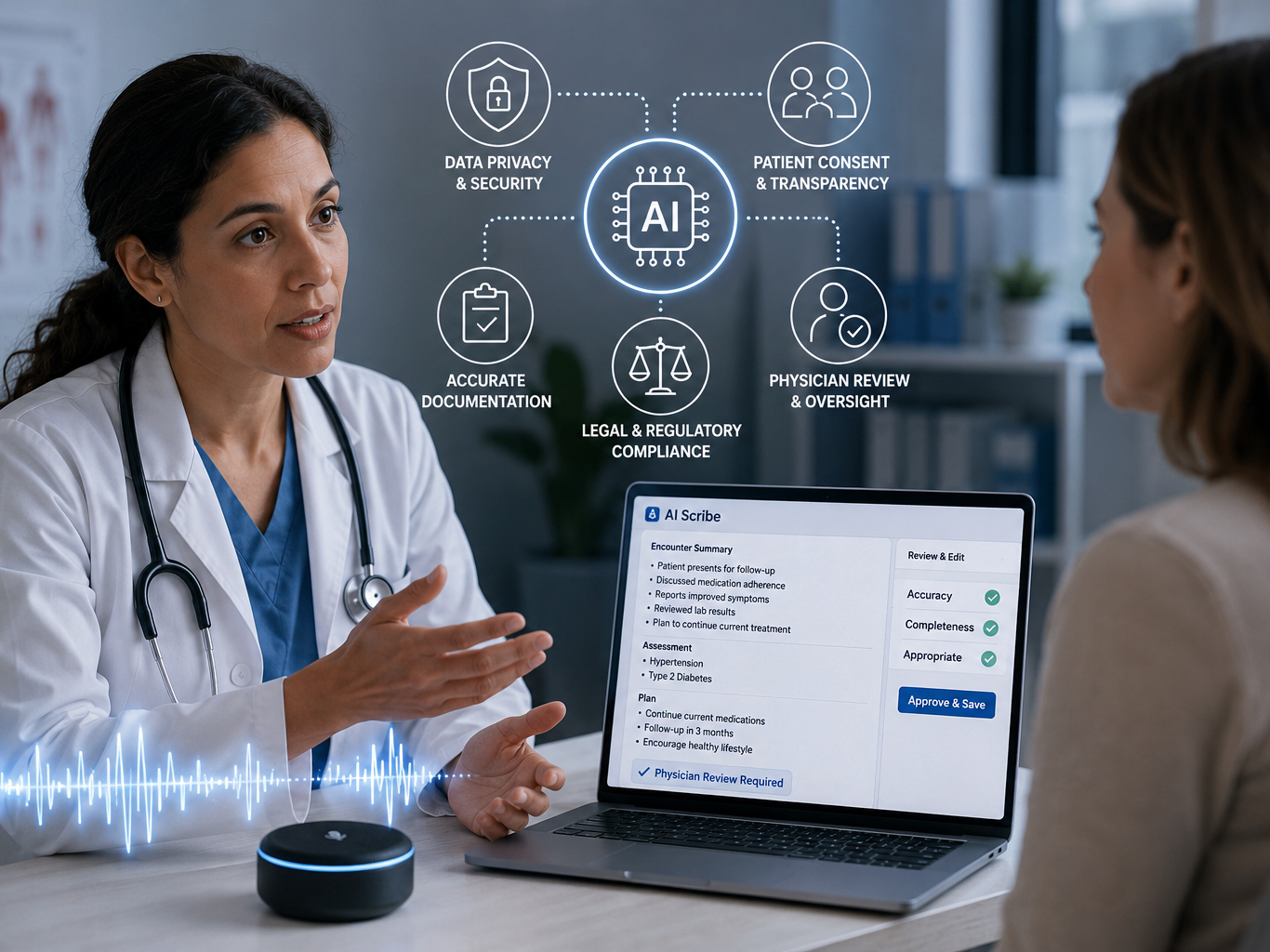
AI-powered ambient scribe technology is transforming how physicians document patient encounters, but adoption is outpacing regulation. Here’s what healthcare organizations should consider in order to reduce liability exposure.
Artificial intelligence has dramatically lowered the barrier to entry for cybercrime, forcing organizations to rethink how they prepare for, respond to and recover from attacks.