Newsletters
 Risk Central
 Digital Edition
Who Gets to the Policyholder First? Why Prevention Matters in the Age of Tech-Enabled Claims Instigation
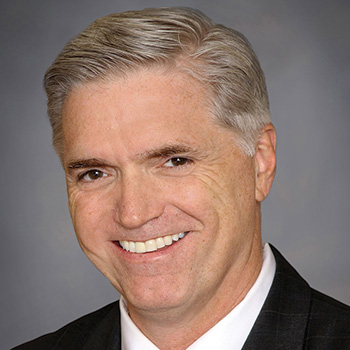
Peter L. Miller, CPCU, MS, MBA, is chief executive officer of The Institutes and a member of its Senior Management Team.
Insurance fraud prevention has always started with the claim. Investigators mine claims data, spot patterns, and flag the doctors, attorneys and repair shops that turn up too often together.
That’s no longer good enough. Fraud rings have grown more organized, and some of it isn’t opportunistic at all — nation-states backing hacker networks now set up fraudulent websites timed to appear when a policyholder searches for their carrier, often right before a hurricane, before the insurer knows a loss occurred. The exposure starts before first notice of loss, in a digital space most carriers aren’t watching.
The Predict & Prevent podcast recently explored this blind spot with Todd Kozikowski, CEO of 4WARN, a company built in response to a question from Demotech’s Joe Petrelli: why were several Florida property insurers facing litigated claims that far exceeded their market share? One public adjuster spent nearly $650,000 on web search terms aimed at a single insurer.
Kozikowski’s team found an answer fast: a web of paid search campaigns, doppelganger websites, and lead-generation funnels racing to reach Florida policyholders in the anxious minutes after a loss.
4WARN observed, for example, that well before Hurricane Ian struck Florida’s Gulf Coast in 2022, websites and search advertising were already encouraging people to file suit against insurers before the storm “so you’re first in line and you can get paid first as well,” Kozikowski recalled.
Kozikowski calls this “tech-enabled claims instigation” — digital tools reaching a policyholder before the carrier enters the picture. A tree falls on a roof, a homeowner searches online for a claims number, and what comes back isn’t just the insurer’s information, but ads and intake funnels built by contractors, public adjusters, and sometimes fraudulent actors, already “shaping the narrative of what you do next.”
To be clear, legitimate public adjusters and attorneys play a real role for policyholders. The concern is the smaller set of bad actors using fabricated websites to intercept people before their carrier knows a loss occurred. The scale is real: for every dollar spent on a billboard, roughly $25 now goes to digital targeting, Kozikowski said.
The next chapter is already forming. AI assistants are becoming the first place that policyholders turn after a loss, replacing search results with one synthesized answer. Fabricated content about a carrier and its claims process, seeded widely enough online, can work its way into those models — pointing a confused policyholder toward the wrong next step.
Insurers have invested heavily in preventing losses and catching fraud once claims are filed. But there’s an earlier gap: the window between a loss event and first notice of claim, where a carrier historically had little visibility into what’s happening to its policyholders and its reputation.
Closing that gap starts with a simple test for insurers, Kozikowski said: Search for your own company the way an anxious policyholder would after a loss, then ask an AI assistant the same question. If ads, lookalike sites, or bad information show up before the carrier’s own answers do, that’s a clear sign of how exposed it is. &