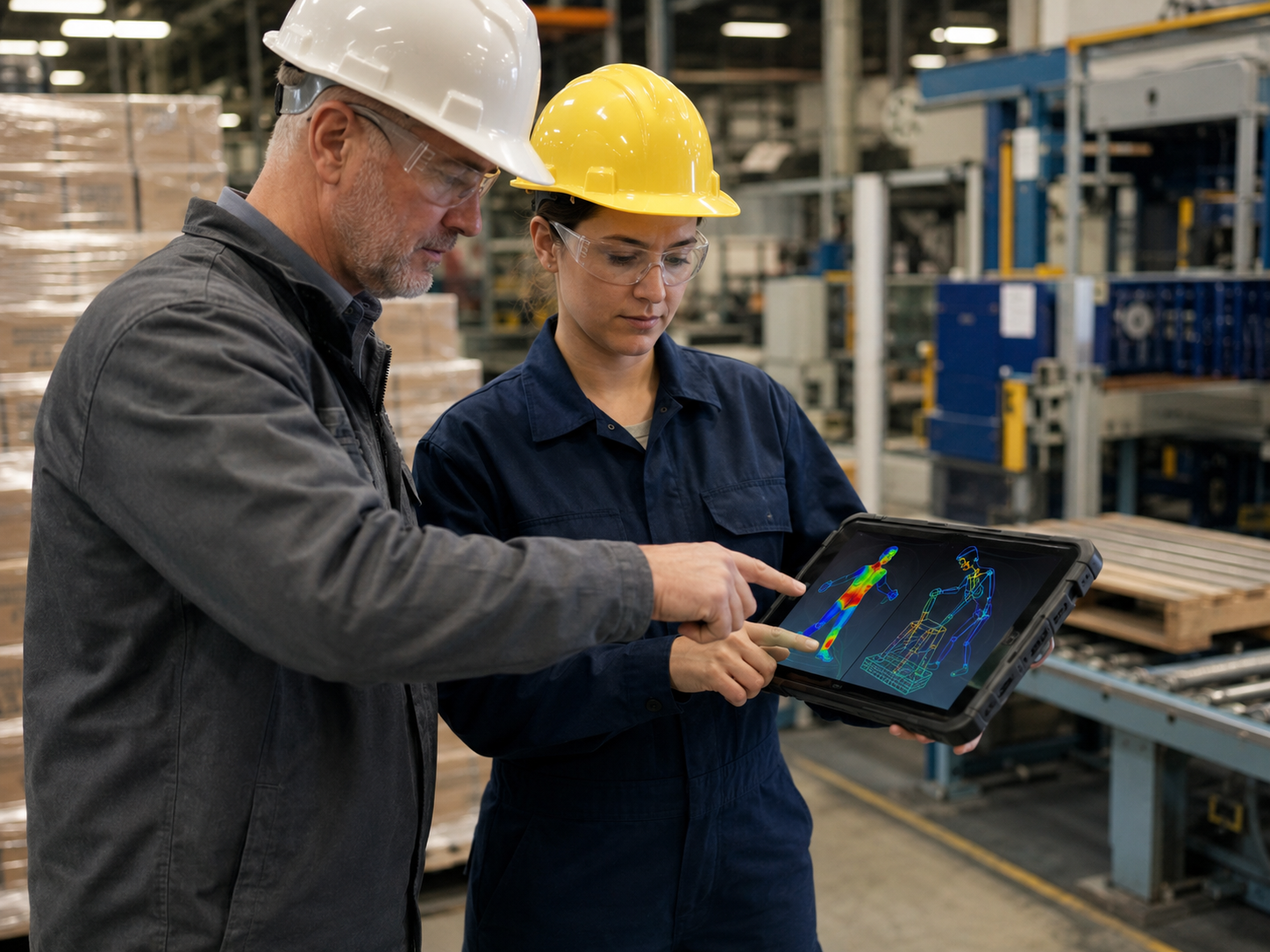
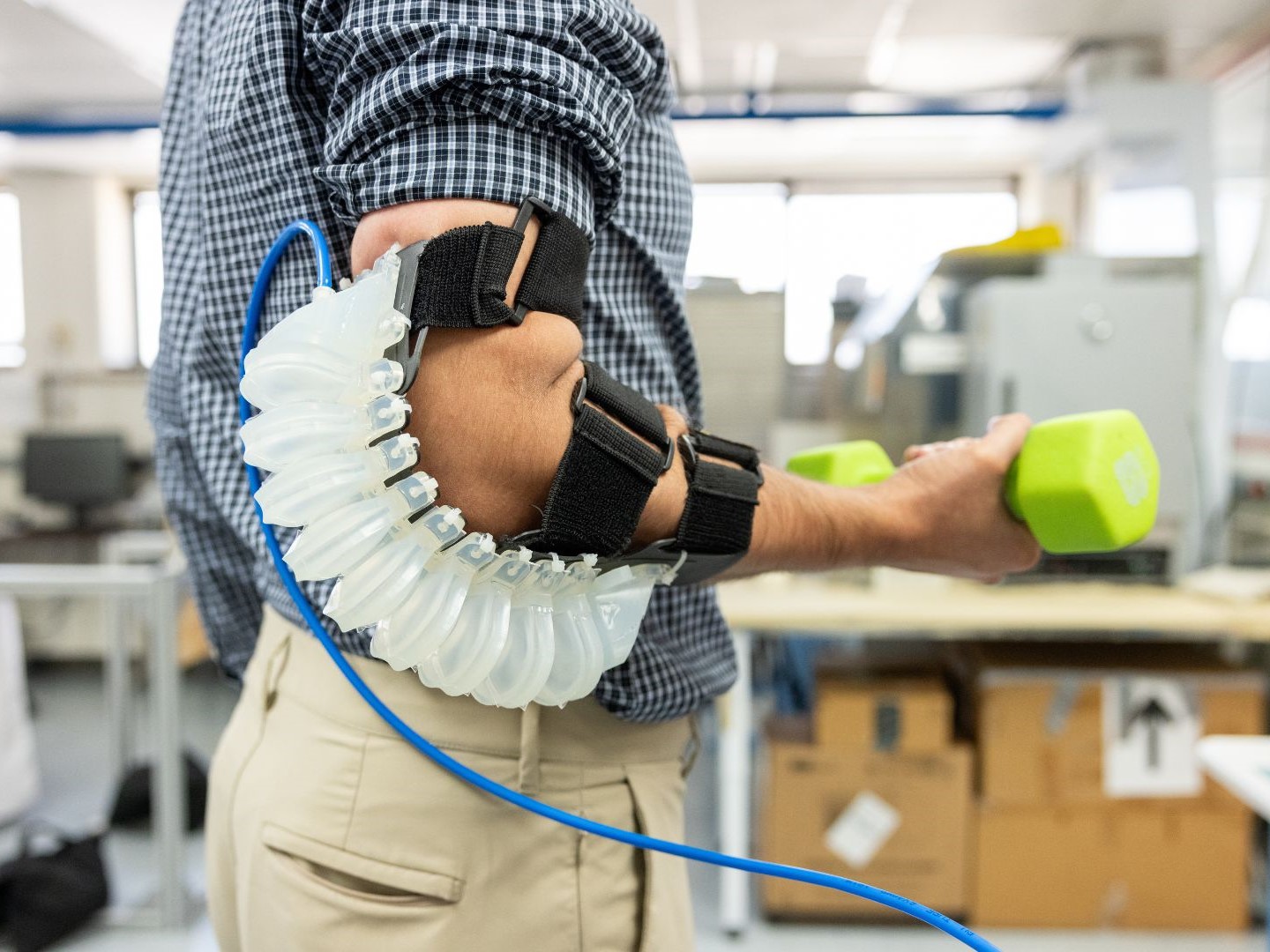
A National Safety Council survey found that workers broadly view musculoskeletal disorder prevention technologies as positive for their safety and wellbeing, especially when involved in implementation decisions.
From supply chain disruptions to cloud outages, systemic shocks are no longer theoretical. Industry leaders explain why predicting and preventing cascading losses requires new tools, deeper collaboration, and a fundamentally different approach to risk.
The 2025 Los Angeles fires revealed that catastrophic losses aren’t determined by ignition probability alone, but by whether a fire can scale into a resource-overwhelming event: Delos.
Long-term field data from five distribution centers shows back exosuits reduce strain and sprain injuries without shifting risks to other body parts, HeroWear study finds.
As climate risk changes faster than models can predict, Faura aims to shift the focus to which properties are more likely to survive when disaster hits.
New research from the University of Alabama finds that FORTIFIED construction standards not only protect homes during major storms but also deliver financial benefits to property owners.
In a rapidly evolving landscape shaped by climate challenges and technological disruption, finding the right balance between fostering innovation and protecting consumers has never been more critical, says Scott White.