
As workers’ compensation claims grow more complex, today’s claims professionals are evolving into strategic coordinators who combine technology, clinical expertise, and collaboration to improve outcomes for injured workers and employers alike.
Social engineering accounted for 85.3% of incurred cyber insurance losses in the first half of 2026, up from 17.7% in the first half of 2024, according to Resilience.
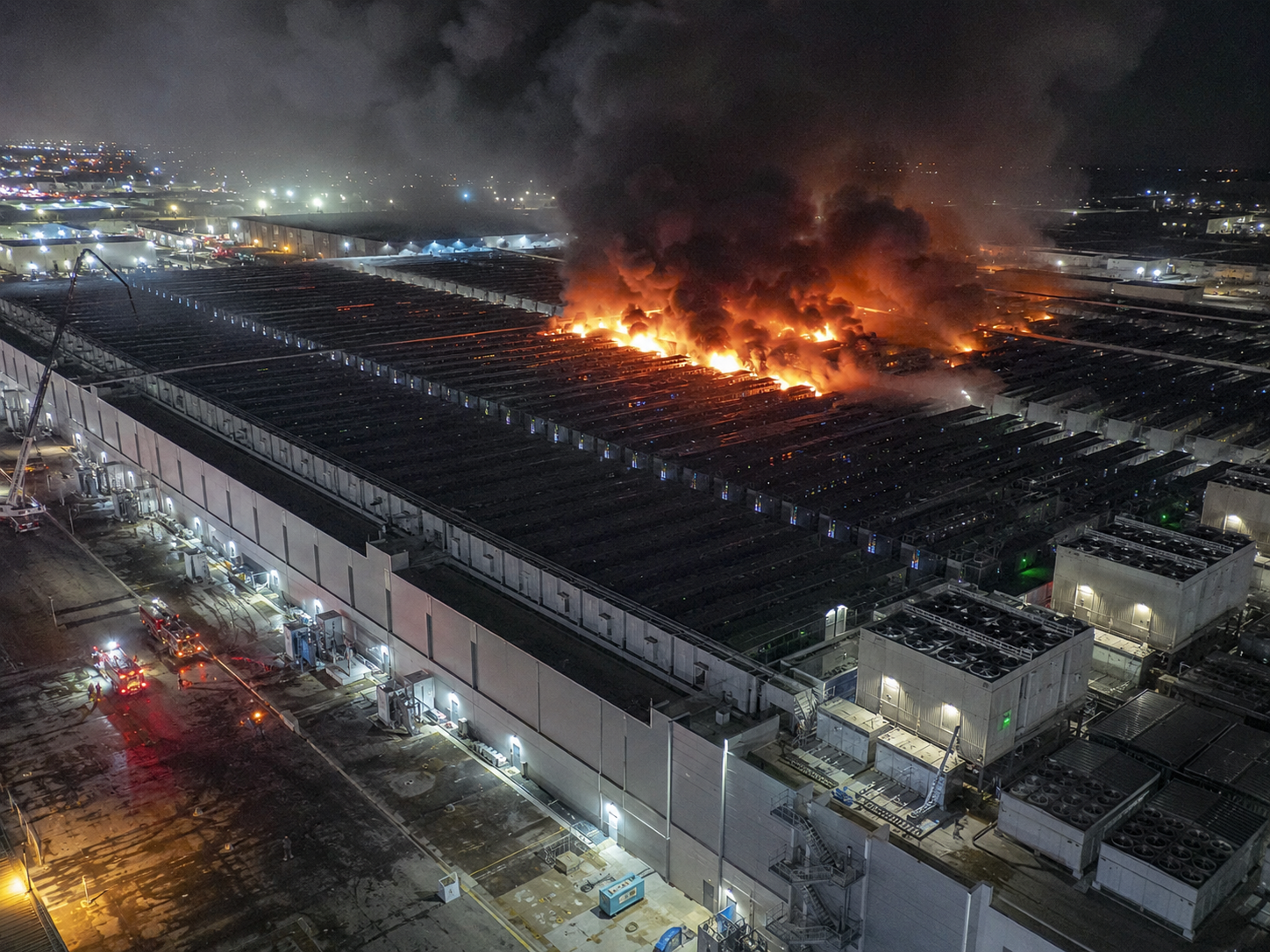
Fire drives the majority of insured data center losses even as natural catastrophe exposure, lithium-ion battery risk and construction complexity reshape the sector’s risk profile, according to Allianz Commercial.
Cumulative trauma claims rose from 9.1% of all California workers’ compensation claims in 2018 to 16.5% in 2025, with the growth spreading statewide, the California Workers’ Compensation Institute found.
This is the second in a series of articles exposing what is driving the excessive recovery times and the high cost of workplace injuries. AI is top of mind for just about everyone under the age of 90. I was curious to see if Claude had any research-based, data driven understanding of why it takes… View Article
Prices for primary directors’ and officers’ liability policies with the same limit and deductible rose 0.6% in the second quarter of 2026 compared with a year earlier, Aon reports.
More than eight in 10 U.S. executives say they are more worried about their business’s future at midyear than they were at the end of 2025, Sentry reports.
Medical inflation softened broadly in the second quarter, with the NCCI Workers Compensation Weighted Medical Index falling to 1.0% year over year in June.
The Baldwin Group’s Q2 Market Pulse ties the property downturn to falling reinsurance costs and a quiet hurricane outlook, even as litigation and tariffs keep casualty severity high.
Underwriters are increasingly distinguishing between NFPA 13, 13R and 13D sprinkler systems when pricing senior living risk, according to Gallagher Property Risk Engineering.