A National Safety Council survey found that workers broadly view musculoskeletal disorder prevention technologies as positive for their safety and wellbeing, especially when involved in implementation decisions.
Class action defense costs have more than doubled over the past 15 years, with a 28% jump in new filings expected in 2026, according to Carlton Fields’ annual Class Action Survey.
The E&S market surpassed $100 billion in direct premiums written for the first time in 2025, but its growth rate fell to 7.8% — the lowest in eight years, according to S&P Global Market Intelligence.
Privacy class actions tied to routine website tracking have surged nearly tenfold since 2022, with small and midsize businesses bearing a disproportionate share of exposure, according to KYND.
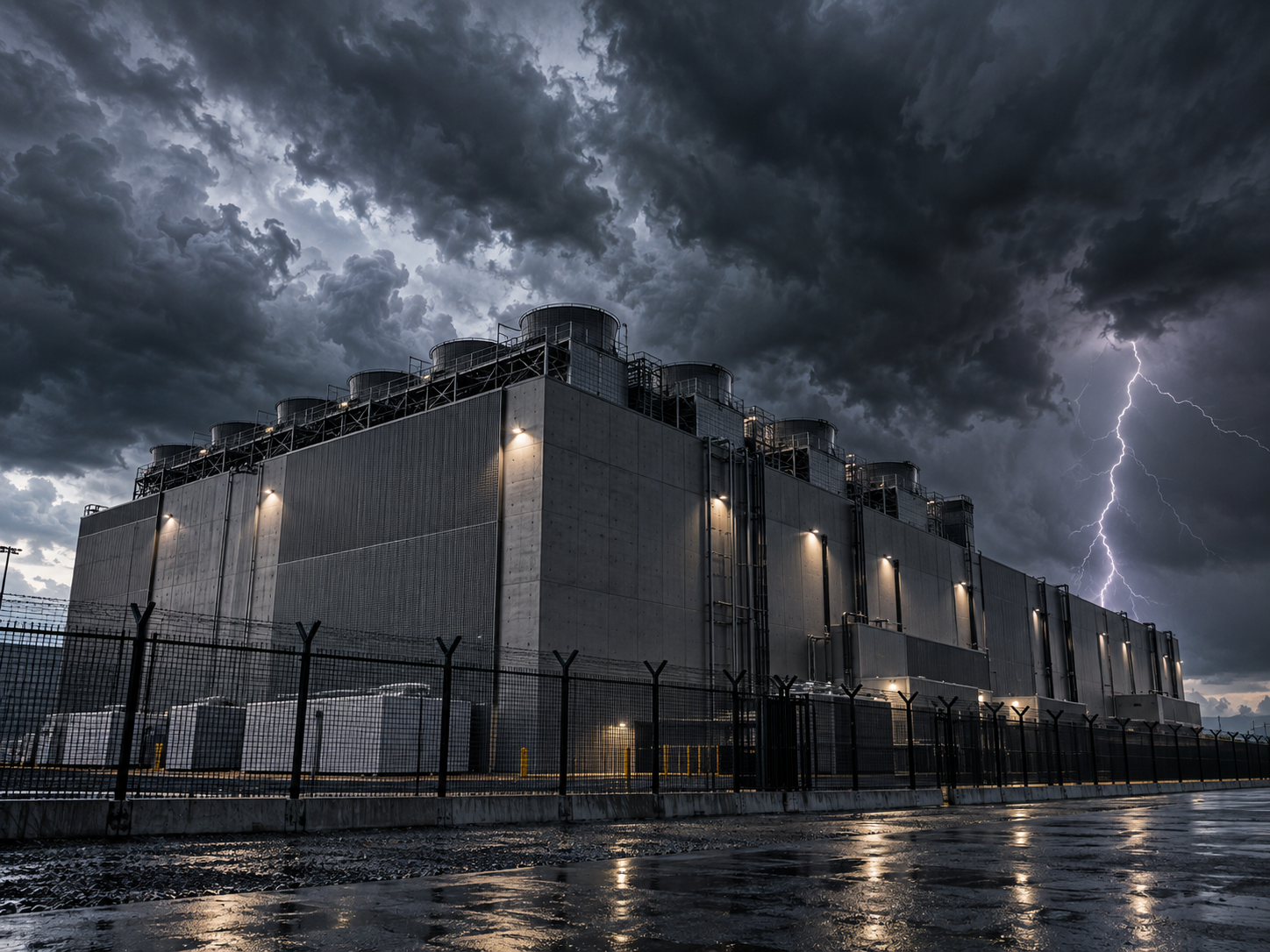
Construction costs for a single data center location can exceed $20 billion — double once technology is installed — creating concentration exposures in catastrophe-prone areas, according to Swiss Re Institute.
The American Society of Safety Professionals identified five themes reshaping workplace safety, including skills gap as a result of demographic shifts.
A new Munich Re report finds that ransomware, supply chain attacks and AI-driven threats are expanding the cyber risk landscape while the vast majority of exposures remain uninsured.
Ransomware losses, AI-driven exposures and nuclear verdicts threaten to disrupt the currently stable executive lines insurance market, according to Risk Placement Services.
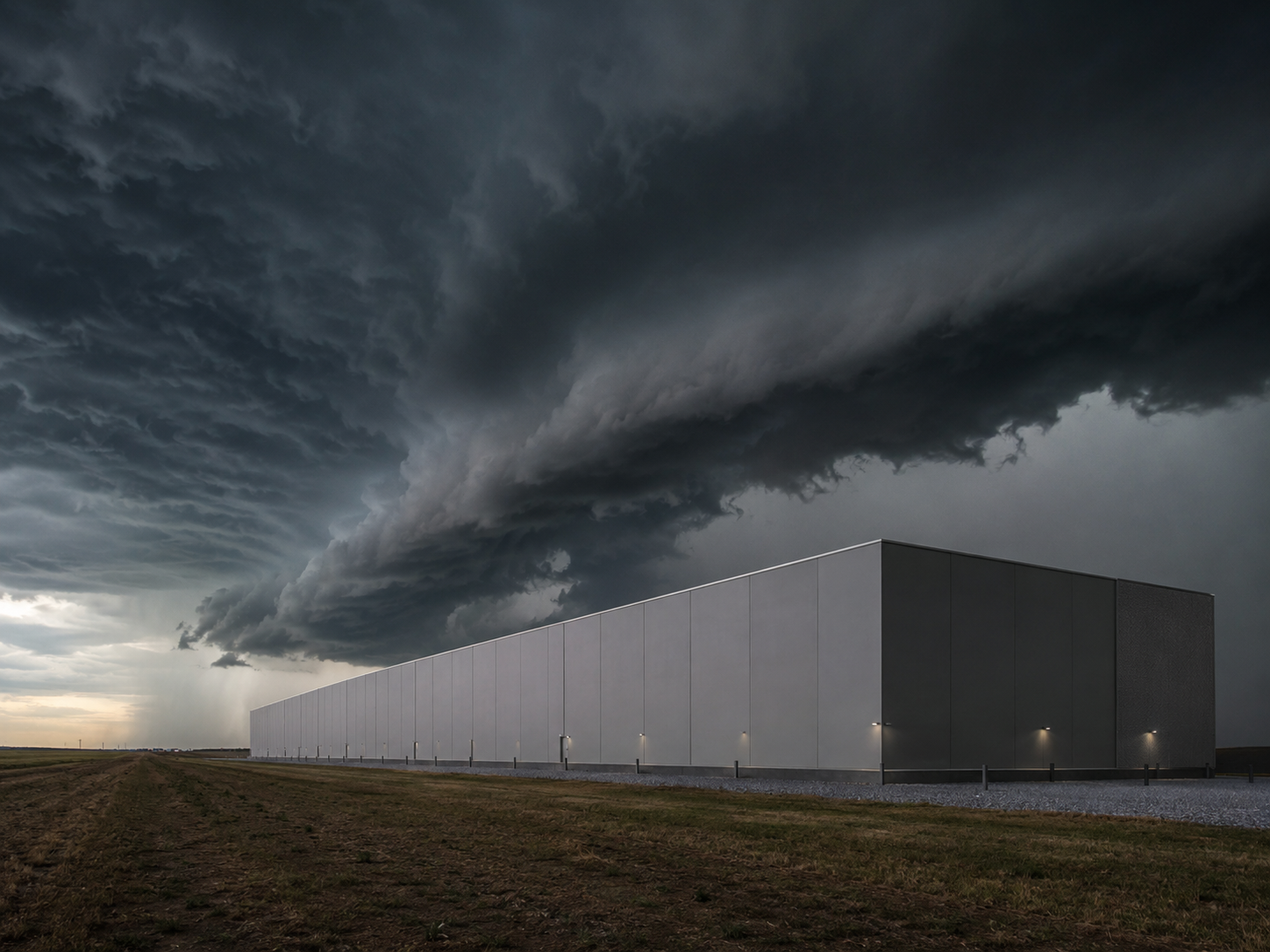
Cumulative losses from severe convective storms now exceed those from hurricanes, challenging the traditional classification of these events as ‘secondary perils,’ according to Allianz Commercial.
The U.S. economy grew at a 2.0% pace in 2025, but the labor market experienced its weakest job growth outside of a recession since 2003, creating a complex outlook for workers’ compensation, according to NCCI.
AI has become the top priority for insurance industry leaders heading into 2026, according to the International Insurance Society’s Global Priorities Report.
Capital deployed to new commercial litigation funding deals rose sharply in 2025, though ongoing fundraising challenges kept the market tight, according to Westfleet Advisors.
Softening property rates and stable capacity define the public entity landscape, though litigation and disaster aid changes could shift the burden to state and local governments, according to Amwins.
A growing category of AI-native risks — including hallucinations, algorithmic bias and model drift — falls outside the scope of standard insurance policies, according to Gallagher Re report.
Drowsiness, distraction and aggressive driving consistently precede incidents, and near-collisions are becoming the leading safety metric for fleet risk management, according to Motive’s 2026 road safety report.
Secondary perils accounted for a record 92% of global insured natural catastrophe losses in 2025, and trend-line projections point to $148 billion in 2026, according to Swiss Re Institute.