As more states adopt PTSD presumption laws for first responders and other at-risk workers, payers face new challenges in diagnosis, treatment, and long-term claim management. A thoughtful, collaborative approach is key to achieving better outcomes.
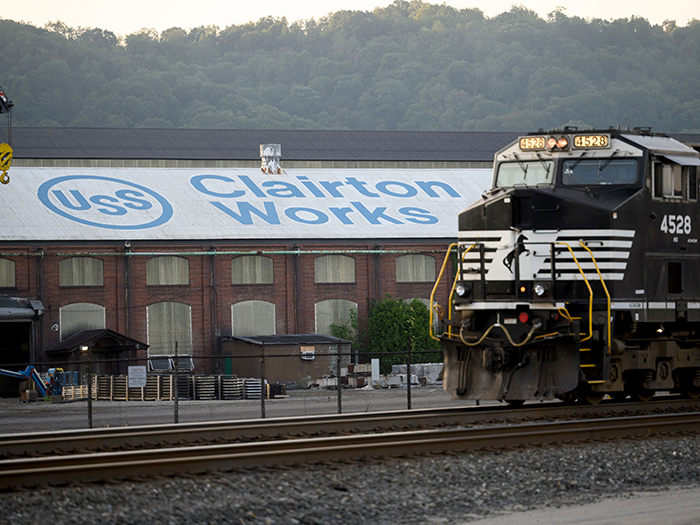
Zimmerschied highlights the value of captives for customized risk management, key transportation risks like labor shortages, liability trends, and evolving technology.
As millions of patients gain access to popular weight-loss medications, physicians and health systems face a growing landscape of liability risks they need to prepare for now.
Canada’s construction insurance market is becoming more complex due to regional risks and rising costs, increasing the importance of a brokers’ advisory role.
AI in claims is no longer about insight alone — it’s about embedding intelligence into everyday workflows to drive faster decisions, stronger outcomes, and more human-centered care.
Companies face a growing array of unexpected risks triggered by volatile geopolitics — including war and its attendant supply chain shocks, tariffs, and cyberterrorism.
As AI reshapes the claims landscape, one executive explains how data-driven tools are enhancing — not replacing — the judgment and empathy that define exceptional claims handling.
Executives are navigating intense day-to-day operational pressures that are crowding out a focus on high-impact risks like litigation, even as they recognize those risks could threaten their company’s survival.
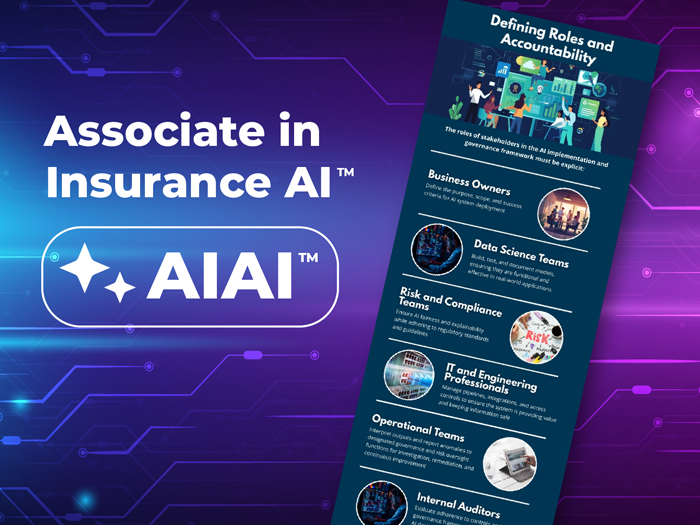
As AI rapidly transforms underwriting, claims, and operations, the Associate in Insurance AI™ provides practical skills to evaluate and apply this technology across the insurance value chain.