Newsletters
 Risk Central
 Digital Edition
Brilliance in Focus: Gallagher’s Justin Felker
As part of covering the best brokers in the commercial insurance space, Risk & Insurance®, with the sponsorship of Philadelphia Insurance Companies, is expanding its coverage of Power Broker® winners and finalists with its Brilliance in Focus series.
Look for these expanded profiles on the Risk & Insurance website and in your social media feeds throughout the year.
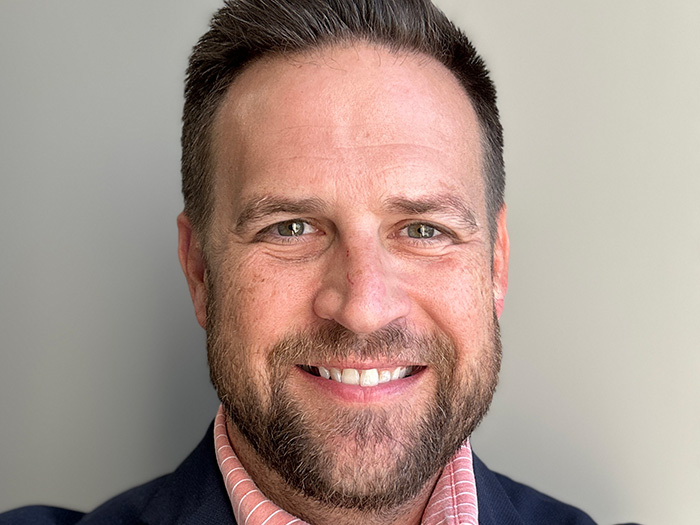
Here we speak to Gallaagher’s Justin Felker, a 2025 Power Broker in the Captives category.
Risk & Insurance: What educational resources do you depend on to keep you apprised of important developments in the insurance industry?
Justin Felker: I rely on a mix of trusted industry sources, (like Risk & Insurance magazine), carrier and specialty practice updates, and captive-specific technical resources—because the best insight usually comes from triangulating all three. On the captive side, I consistently learn from updates and practical playbooks coming from various captive manager and TPA resources. Internally, I lean on Gallagher’s own information streams and updates that curate what matters across all lines and industries. I also make time for targeted carrier education when it’s relevant—especially webinars focused on captives.
R&I: What traits within a company’s leadership are key indicators that the company could be successful in owning and operating a captive?
JF: The strongest indicator is leadership that thinks long-term and is willing to treat a captive as a strategic risk-financing tool, not a short-term premium play. Captives reward patience and discipline. In real-world modeling and client discussions, the value often shows up over time—especially because captives have a “tail” and the mechanics matter across multiple years, not just renewal-to-renewal. That long-term orientation comes through in the way leadership evaluates cost, collateral, and outcomes over a multi-year horizon.
Second, successful captive owners have leadership that is financially fluent and comfortable with transparency—meaning they understand risk sharing, collateral/LOC implications, and the structure of participation. If a leadership team can’t get comfortable with how losses flow through member and group layers (and how collateral is held and released over time), they usually won’t enjoy the captive experience.
Third, the best captive candidates have leadership that runs the business with data discipline. Captives demand clean information—loss runs, exposures, operational narratives, and a willingness to engage in due diligence. The underwriting and compliance process tends to reveal quickly whether leadership is organized, accountable, and willing to operate with “owner-level” mentality.
Finally, the best captive owners have a leadership team that genuinely prioritizes risk management culture, not just insurance procurement. Captives work best when leadership is committed to improving the drivers of loss—because that’s how you earn underwriting profit and the long-term benefits of the structure.
R&I: Who were your most important mentors in the insurance industry and what did you learn from them?
A few mentors stand out for me because they shaped both how I serve clients and how I try to show up as a professional.
First is George Bell, who I’ve described as a personal mentor—my “trail guide.” What I learned from George Bell goes beyond technical insurance: he taught me to enjoy the journey, not delay life until “someday,” and he modeled how to turn clients into true relationships through genuine care and consistency. That mindset—relationships, trust, and service—still influences how I approach the work every day.
I’ve gained a lot from mentorship and leadership guidance, like having dedicated time for mentoring discussions with my CEO, Pete Doyle. I also benefit from daily support from my Area President, Matt Puckett, and Larry Smith, who hired me and now manages my region. These conversations—especially those focused on significant career decisions and leadership challenges—highlight the importance of pausing, being intentional, and approaching both your career and client responsibilities with the same strategic discipline we use when solving problems for our clients.
R&I: How do you view the insurance industry’s reported talent gap? Do you think it is as severe a situation as some say? Or are you more hopeful that the industry can find and retain the talent that it needs?
I think the talent gap is real, especially in roles where experience, judgment, and communication matter—because it’s hard to replace reps with deep technical skill and strong client instincts. You see it in day-to-day operations when teams are stretched and “qualified talent is so difficult to find,” which becomes a compounding challenge in an already complex business. Many in our industry may be afraid that AI is here to replace them, but the reality is that we are seeing younger talent leverage AI to bridge the gap quicker, and seasoned vets are also re-tooling to offload redundant or time-consuming process to level up and operate at their highest and best uses. This is all going to create more opportunities for growth at every level.
That said, I’m more hopeful than cynical, because I see the industry responding in practical ways: building structured early-talent programs, investing in mentorship, and creating better training pathways. Programs like our Internship, and Gallagher Achieve, are a good examples of how organizations are systematizing mentorship and manager engagement—focusing on routines, communication, prioritization, and coaching that help new professionals ramp faster and stay longer.
I’m also optimistic because mentorship and knowledge transfer are becoming more intentional—and that matters. The idea that mentorship is strongest when it’s bidirectional (senior and junior learning from each other) resonates, and we’re seeing more of that mindset pushed into the culture.
So yes—the gap is serious. But the industry can win it by doing a few things consistently: reduce friction for new entrants, invest in mentorship, and create repeatable training and process systems that let early-career talent build confidence quickly while learning the craft the right way. &