Newsletters
 Risk Central
 Digital Edition
Brilliance in Focus: Gallagher’s Michael Zimmerschied
As part of covering the best brokers in the commercial insurance space, Risk & Insurance®, with the sponsorship of Philadelphia Insurance Companies, is expanding its coverage of Power Broker® winners and finalists with its Brilliance in Focus series.
Look for these expanded profiles on the Risk & Insurance website and in your social media feeds throughout the year.
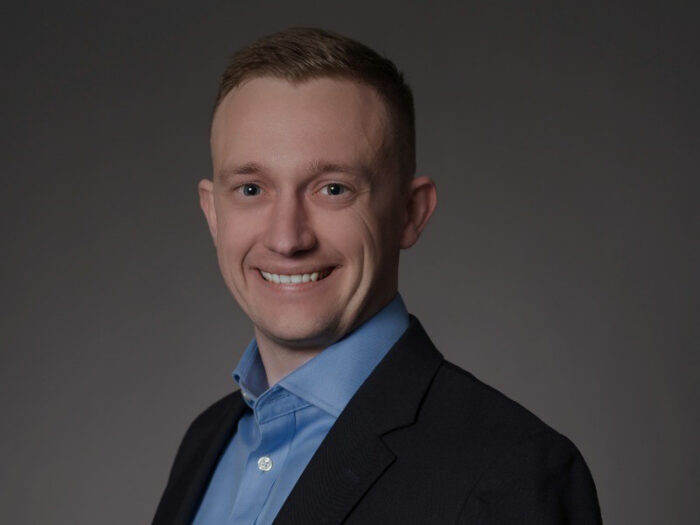
Here we speak to Gallagher’s Michael Zimmerschied, a 2025 Power Broker in the Captives category.
Risk & Insurance: Who would you say were your biggest influences in building a successful career in insurance and why?
Michael Zimmerschied: My biggest influence has been my father, who introduced me to the insurance industry and educated me on the full process behind building effective insurance programs. Early on, he emphasized being a true partner to clients, someone who becomes part of their team rather than just a transactional broker. He spent a great deal of time teaching me how and why programs are structured the way they are, especially around large retentions, self‑insurance, captives, and alternative risk solutions.
Being exposed to both successful outcomes and challenging situations helped reinforce that every company’s risk profile is different, and insurance programs need to be built around those differences. That philosophy has shaped how I work with clients today, particularly those with large fleets and complex operations, where structuring the right program can have a material impact on long‑term results.
R&I: What uses for captives do you think more risk managers would benefit from knowing?
MZ: Captives can be viewed narrowly as loss‑financing vehicles, but their real value lies in how much flexibility and control they provide. One of the biggest advantages is the ability to fully customize an insurance program around a company’s specific risks, rather than fitting into the constraints of the standard market.
Captives allow risk managers to retain risk where it makes sense, add lines of business that may be unavailable or inefficiently priced in the traditional market, and gain greater control over claims handling and data transparency. For large fleets especially, there are many ways to structure an insurance program, and captives offer a framework to tailor coverage, retentions, and long‑term strategy to the organization’s actual needs instead of a one‑size‑fits‑all approach.
R&I: In the transportation sector, to what degree are labor issues and labor shortages a concern?
MZ: Labor remains one of the most significant challenges facing the transportation sector today. The difficulty in finding and retaining qualified drivers — particularly those who are safety‑focused and reliable — has a direct impact on loss trends and overall risk performance. Turnover can erode consistency in safety culture and training, leading to higher loss frequency and severity over time.
In addition to drivers, shortages in safety and maintenance roles can strain risk controls and oversight. For transportation companies, labor issues are not just operational concerns; they play a critical role in how insurance programs perform and how risk needs to be structured.
R&I: What emerging risks would you point to that transportation risk managers would do well to keep on their radar?
MZ: Rising auto liability severity remains a major concern, particularly as litigation continues to expand and claims become more complex. This environment increases the importance of program structure, retentions, and long‑term planning rather than relying solely on annual premium comparisons.
Another emerging consideration is the increasing separation between standard market solutions and what large fleets actually need. As transportation risks grow more complex, risk managers need to evaluate alternative structures such as higher retentions, self‑insurance, or captives to maintain control and stability. The key is recognizing that no two transportation companies are the same, and insurance programs should be designed to reflect those differences rather than default market approaches.
Technology is also an increasing area of focus. The use of telematics, AI, and advanced analytics is helping risk managers improve safety programs, identify trends faster, and create efficiencies across operations and claims. At the same time, criminals are becoming more sophisticated in how they use technology and AI, whether through staged losses, data manipulation, or exploiting systems and processes. As a result, risk managers need to think not only about how technology can improve outcomes, but also how it can introduce new exposures that require oversight and control. &