Newsletters
 Risk Central
 Digital Edition
AI Isn’t the Strategy. Outcomes Are.

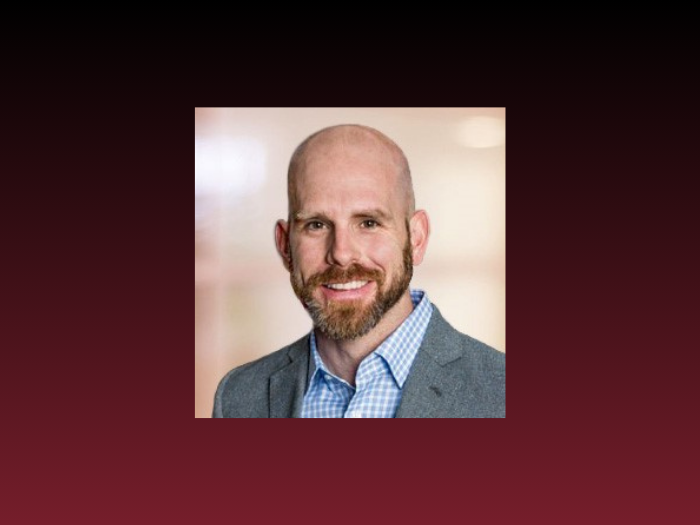
Sarah Scott is the President & Chief Executive Officer of CorVel Corporation. She has been with CorVel for more than 26 years, holding leadership roles across clinical operations, product development, and corporate services before being appointed President & CEO in July 2026. Throughout her tenure, Sarah has played a key role in advancing CorVel’s operational performance, customer relationships, and strategic initiatives, bringing deep expertise in clinical care, product innovation, and the workers’ compensation industry. Sarah holds an associate degree in nursing and a bachelor’s degree in health information management from Ohio State University.
Conversations about artificial intelligence in risk management have shifted. Organizations are moving past the question of whether to use AI and focusing on how it improves outcomes.
That shift reflects a broader change in expectations. AI is no longer experimental. It is becoming integral to how work gets done.
At the same time, the environment is becoming more complex. The volume and speed of information continue to increase, making traditional workflows difficult to sustain. Adjusters are managing heavy caseloads, constant communication, and significant administrative demands, often spending a large portion of their time reviewing and documenting claim information.
Clients are responding to that pressure. They are asking for faster processing, earlier identification of risk, clearer communication, and better outcomes.
Where AI Actually Creates Value in Claims
Much of the industry response has focused on visibility. AI is being used to analyze data, identify patterns, and detect emerging risks. These are important advancements, but increased visibility alone does not change outcomes.
Value is created when insight leads to action.
That requires delivering the right information at the moment a decision is made, within the workflow where that decision happens. It also requires breaking down traditional silos, connecting data, care, and decision-making across the full lifecycle of a claim.
For many adjusters, the challenge is not a lack of insight. It is the effort required to gather, interpret, and document information across emails, notes, and medical records. That process is time-consuming and often inconsistent.
When AI is applied to reduce that burden, the impact is immediate. Information becomes easier to access. Documentation becomes more consistent. Communication becomes more manageable. Less time is spent assembling the picture, allowing more time to determine the best course of action.
Equally important, these advancements allow professionals to spend more time communicating with injured workers and coordinating care, reinforcing the human connections that drive recovery.
This shift supports earlier intervention, more consistent decision-making, and a greater focus on resolution rather than task execution.
What Will Define Success
AI does not replace the role of the professional. Judgment, experience, and accountability remain central. AI supports those capabilities by making them easier to apply at scale.
As adoption grows, the industry will need to stay focused on outcomes rather than technology. Success should be measured through shorter claim durations, improved return-to-work results, reduced costs, and greater consistency.
The organizations that move forward successfully will be those that integrate AI into everyday workflows, connect insight directly to decision-making, maintain transparency, and keep human expertise at the center.
AI is delivering new levels of visibility across claims data, and that visibility is already being used to drive better decisions and stronger outcomes. &