In the event of reputational blunder, stakeholders will want to know — and directors may have to answer for under oath — whether the company did everything reasonably expected of them to mitigate the risk.
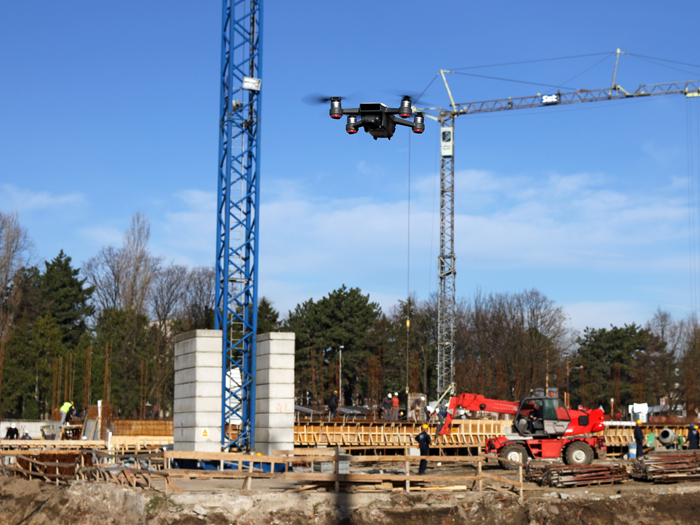
When we talk about dangerous jobs, most people thinking about police, firefighters, fishermen or construction workers. But there’s another amongst the fastest growing category of high-risk jobs.
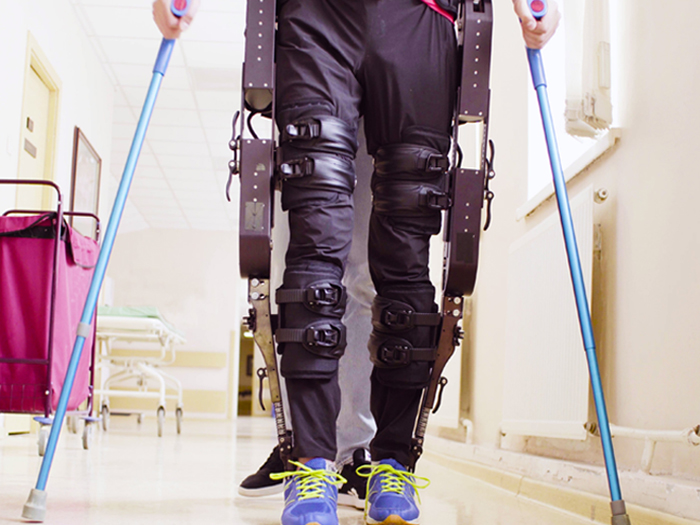
This fall at the National Workers’ Compensation and Disability Conference & Expo, learn more about how to help workers with amputation injuries, without spending more than you need to for optimal care.
This fall at NWCDC, employers can learn more about implementing a post-offer screening process without risking a breach of federal anti-discrimination laws.
Equal access and representation. Promotion of reconciliation. Inclusion of broad and diverse groups in decision-making. True of sport and true of the best in risk management.
Over one million workers’ comp claims were auto-coded using AI, creating a new source of injury intelligence intended to target the causes of work injuries.
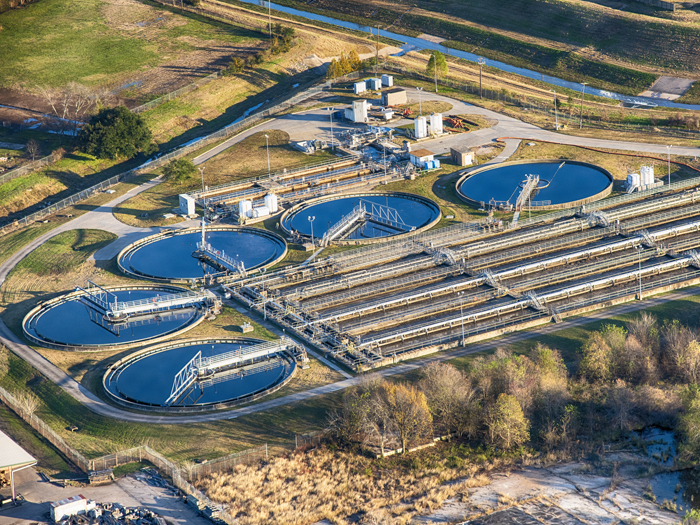
A recent bourbon warehouse fire in Kentucky provides yet another example of the environmental risks that can follow on the heels of catastrophes, such as fire or flood.
Increased scooter usage has underwriters wary of potential liability risks that could stem from accidents and other riding mishaps. Data location sharing and international travel are also cause for concern.
Technology changes the game by easing the burden of record keeping and tilting the workers’ compensation case management field toward true injured worker advocacy.