 Newsletters
 Risk Central
 Digital Edition
Attorney Involvement Linked to Weaker Physical Recovery in Workers’ Comp Claims, WCRI Finds
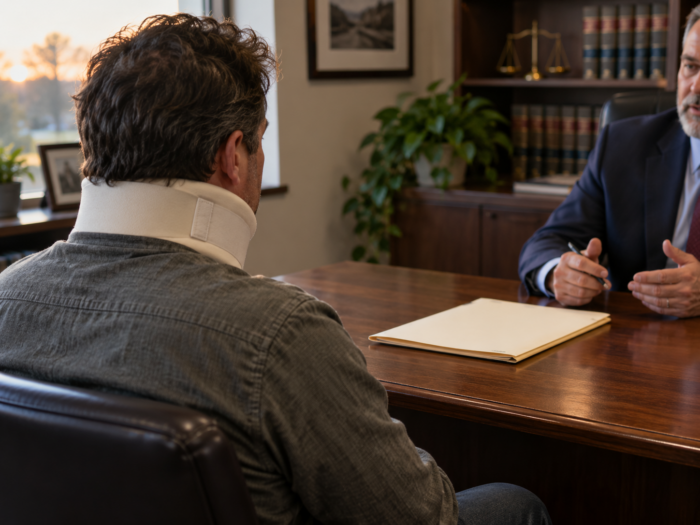
Workers’ compensation claimants who hired an attorney reported significantly worse physical health and functioning roughly three years after their injuries than comparable workers without legal representation, according to a new study from the Workers Compensation Research Institute (WCRI).
Using an instrumental variables approach designed to isolate the causal effect of attorney involvement, WCRI found that represented workers scored about 10.2 points lower on a standard physical health measure, the SF-12v2, a decline the institute said represents roughly one standard deviation in physical health and functioning. At the same time, the study found minimal differences in average medical payments per claim tied to attorney involvement, a result that held even after accounting for the selective nature of who hires a lawyer.
The findings build on WCRI’s 2024 study, which found that attorney representation increased the indemnity benefits workers receive after injury. The report said its analyses provide more credence to the interpretation that attorney involvement may result in worse physical recovery than to the alternative explanation that workers with more complex injuries are simply more likely to seek legal representation.
A Gap That Widens Over Time
WCRI’s survey data, drawn from roughly 10,000 workers across 15 states injured between 2010 and 2016, showed that workers with and without attorneys started with similar preinjury health scores, 59 vs. 56 points, and experienced comparable initial drops after injury. The divergence emerged in recovery: workers without an attorney saw their health scores climb 20 points between the postinjury and interview periods, from 27 to 47, while represented workers improved by only 13 points, from 25 to 38.
Standard regression analysis controlling for injury type, comorbid conditions and demographic factors found a 6.2-point gap in health scores at the time of interview, while the instrumental variables approach, which WCRI said more credibly isolates cause and effect, produced a larger 10.2-point gap.
Descriptive data also showed wide variation in attorney involvement by injury type: 13% of workers with fractures, lacerations and contusions had an attorney, compared with 43% of those with neurologic spine pain. Claim friction mattered too, the WCRI said. Among workers who reported their claim was initially denied before being accepted, 53% had an attorney, compared with 17% of those without a reported denial.
Little Evidence Attorneys Boost Medical Spending
Raw data showed medical payments per claim were nearly twice as high when an attorney was involved, and standard regression estimates found attorney involvement associated with $9,472 to $12,422 in additional medical payments, depending on controls. But once WCRI applied its instrumental variables approach to address selection bias, those positive associations disappeared.
The causal estimates ranged from a $1,446 decrease to a $1,616 decrease when including medical reserves, neither statistically significant. WCRI said this pattern held even when the sample was restricted to claims with no delay in initial treatment or to workers who had health insurance at the time of injury.
Possible Explanations and Policy Implications
WCRI said the lower health recovery it observed likely reflects several influences, including increases in the length of claim resolution, stress from an adversarial process, and strategic behavior by attorneys to emphasize remaining disability and increase settlement payments, of which attorneys typically get a share.
The report noted that attorney fees in many states are tied to indemnity benefits rather than medical costs, which “may discourage attorney involvement” in disputes over medical treatment alone, and said this incentive structure, combined with little change in medical payments when attorneys are involved, suggests attorneys may have greater incentives to affect indemnity benefits than medical care.
WCRI said the estimated difference in health recovery could help inform efforts to provide workers with greater clarity on when attorney representation may be needed and to streamline the process when attorneys get involved. The institute also said its findings could inform strategies to better align incentives between attorneys and workers, so that workers’ recovery is prioritized.
WCRI called for future research into the drivers of disputes across states and the specific mechanisms by which attorney involvement may affect recovery, including the relationship between attorney incentives and the nature and quality of medical care workers receive.
Obtain the full report here. &