The best of R&I and around the web, handpicked by our editors.
White papers, service directory and conferences for the R&I community.
Web replica of the print magazine.
“There’s an art to broking, and you won’t discover your strengths—or what you’re truly capable of—if you only follow the standard playbook.”
Unpatched software remains a top cyber vulnerability. Low-tech “phishing” attacks continue to succeed.
Business interruption losses from the Alberta fire will be “massive” according to experts.
Involving the community and public officials in emergency management planning can be difficult.
Avis Budget Group’s director of risk management, Barbara Vitale, lauds the industry for bringing more women into the fold.
Shari Natovitz lost hundreds of former colleagues on 9/11. Now she manages risk for a vital piece of New York’s skyline.
Last year’s Germanwings disaster brought pilot mental health issues into the aviation spotlight.
A look at the latest legal cases impacting the industry.
As some carriers pull back on business interruption coverage due to compounded exposures, insureds look to minimize risk.
Inhospitable work environments encourage some workers to rationalize committing insurance fraud.
Security researchers provide haunting proof of how vulnerable our high-tech vehicles really are.
Public sector risk managers often must make split-second judgments based upon community standards.
Federal agencies are considering safety rules aimed at reducing the risks associated with drivers with untreated obstructive sleep disorder.
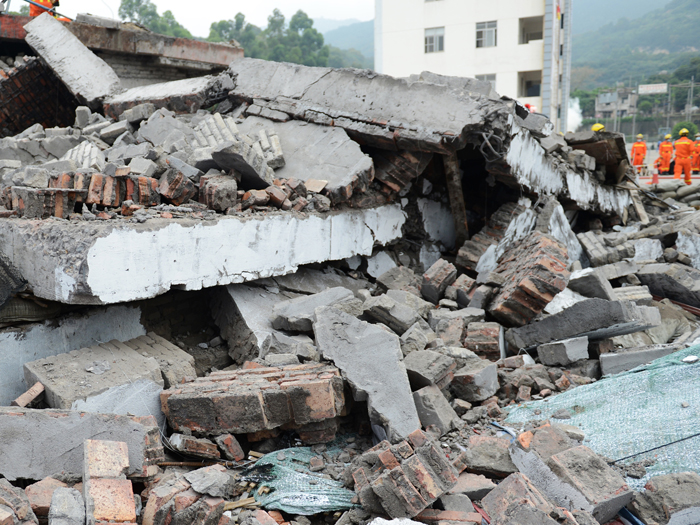
Is our world coming apart at the seams?
Our health and economy are increasingly exposed to a long-documented but ignored risk.
The aggregated impact of a cyber attack on the U.S. power grid could cause huge economic losses and upheaval.
The resources aligned to remediate acid mine drainage are minimal compared to the cost; up to $72 billion.
Manufacturers must comply with up to 26 different state safety plans.
The new head of the NBCH believes that the administration of occupational and nonoccupational conditions should be integrated wherever possible.
The aspect of fire prevention managers can best control is ignition sources.
Health care facilities must balance safety and security concerns when considering protection methods.