As more states adopt PTSD presumption laws for first responders and other at-risk workers, payers face new challenges in diagnosis, treatment, and long-term claim management. A thoughtful, collaborative approach is key to achieving better outcomes.
The share of C-level leaders who feel their organizations lack sufficient cyber protection has risen steadily to 89%, up from 81% in 2021, according to Munich Re’s Global Cyber Risk and Insurance Survey 2026.
In this fictive scenario, a thriving boutique owner’s dream goes up in flames when a hidden electrical hazard and an overlooked insurance gap combine to deliver a devastating financial loss.
Geoeconomic confrontation, cyberattacks, extreme weather and aging systems are amplifying risks across essential infrastructure networks, according to a Gallagher report.
A majority of insurance companies anticipate significant AI-driven change within three years, yet few have reached advanced implementation, according to AM Best.
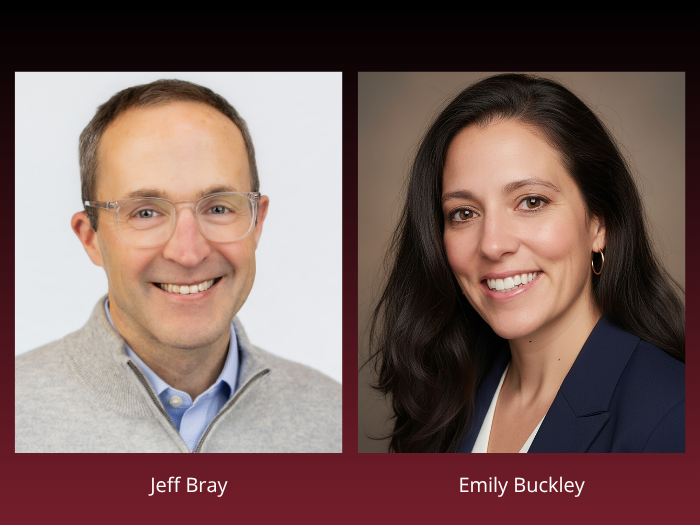
RIMS recognizes Bray and Specialized Bicycle Components’ Emily Buckley for their leadership in embedding risk management into organizational strategy and decision-making.
Deal volume in the insurance agency space fell 6% in the first quarter of 2026 compared to a year earlier, marking the 10th consecutive quarter below the long-term trend line, according to OPTIS Partners.
Global insured losses from natural disasters totaled $20 billion in the first quarter of 2026 — 26% below the 10-year average — according to Gallagher Re’s latest Natural Catastrophe and Climate Report.
The rapid expansion of solar photovoltaic farms into hail-prone regions is creating new underwriting challenges that demand better risk modeling and mitigation strategies, according to Gallagher Re and AXIS.
AI in claims is no longer about insight alone — it’s about embedding intelligence into everyday workflows to drive faster decisions, stronger outcomes, and more human-centered care.
Global economic losses from natural disasters reached $37 billion in the first quarter of 2026, well below the 21st-century average, while insured losses tracked near historical norms, according to Aon.
A joint report from the Insurance Information Institute and Fenix24 found that insurers, despite setting cybersecurity standards for policyholders, still have vulnerabilities in their own defenses.
Nonfatal workplace assaults climbed steadily from 2011 through 2022, driven overwhelmingly by violence in health care and social assistance settings, according to NCCI.
A year-end analysis of ClaimSearch data by Verisk found that quieter weather drove broad declines in claims activity even as the Los Angeles wildfires became the costliest on record.
A report by the California Earthquake Authority concludes that the state’s current systems for managing wildfire risk are failing ratepayers, insurance policyholders, and disaster survivors.
Despite a 3% increase in global cyber claims frequency, average losses in 2025 dropped 19% year over year as organizations became more effective at limiting breach damage, according to Coalition.