The best of R&I and around the web, handpicked by our editors.
White papers, service directory and conferences for the R&I community.

Web replica of the print magazine.
Business leaders at midsize and large U.S. companies rank cybersecurity and economic pressures as their foremost concerns heading into 2026, according to The Hartford’s annual Risk Monitor.
Companies plan to boost spending on cyber security to deal with an onslaught of cyber attacks.
Far more than a prank, the spread of fictitious news is wreaking havoc on businesses and institutions.
Make sure your cyber management plan works before a crisis occurs.
Electronic “levees” built to withstand a rainfall are inadequate when we are facing a cyber tropical cyclone.
Businesses that focus on resiliency will benefit in the long run.
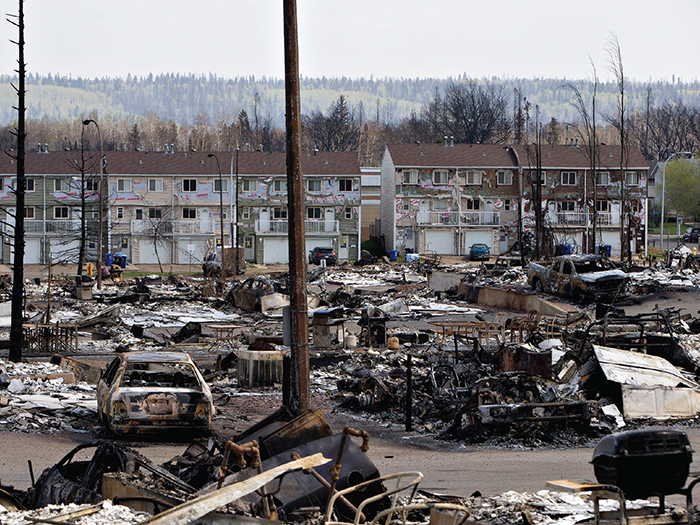
The Fort McMurray community is now focused on recovery, but it will be a long-term effort.
When businesses are affected indirectly by a terrorist attack, their losses can fall through the many cracks that exist in terrorism insurance policies.
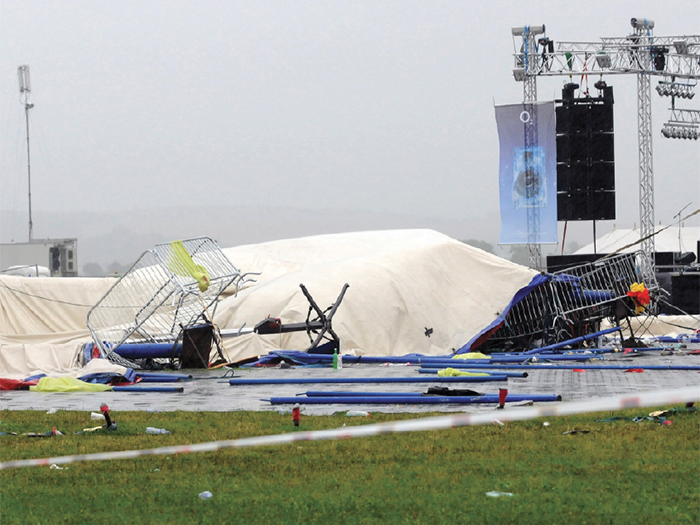
Parametric weather products offer event organizers improved protection of revenues in an increasingly unpredictable climate.
Frightening fact: There were 12 million unique types of malware identified in 2015 alone.
The Pacific Northwest will never fully recover from this tsunami and earthquake.
Businesses face risks from undersea data cable vulnerabilities.
As cyber threats become more sophisticated, risk managers must understand and assess evolving exposures.
Bigger ships passing through an expanded Panama Canal translates to bigger risk accumulations.
Improved analysis underpins coverage to smooth the intermittent nature of wind, hydro, and even solar power
Business interruption losses from the Alberta fire will be “massive” according to experts.
As some carriers pull back on business interruption coverage due to compounded exposures, insureds look to minimize risk.
In resolving cyber security dilemmas, it helps to ask the right question.
The 100 Resilient Cities initiative continues to grow in the U.S. and globally.
Many small and mid-size businesses underestimate their exposure to supply chain disruption.
Flint businesses are seeing a loss of revenues and continue to face reputational damage.