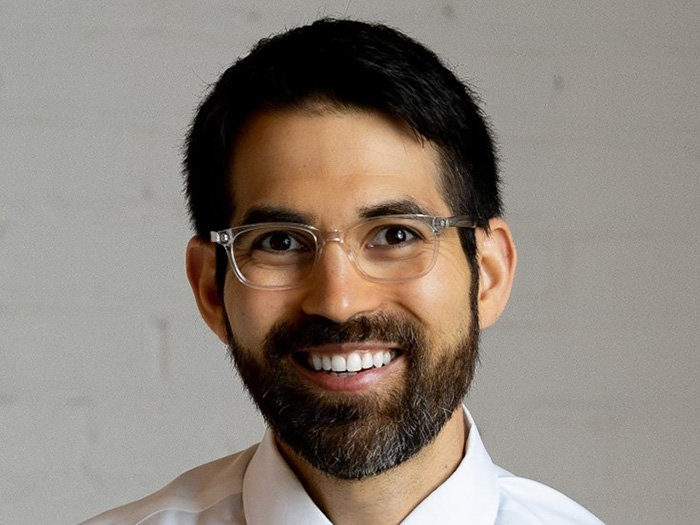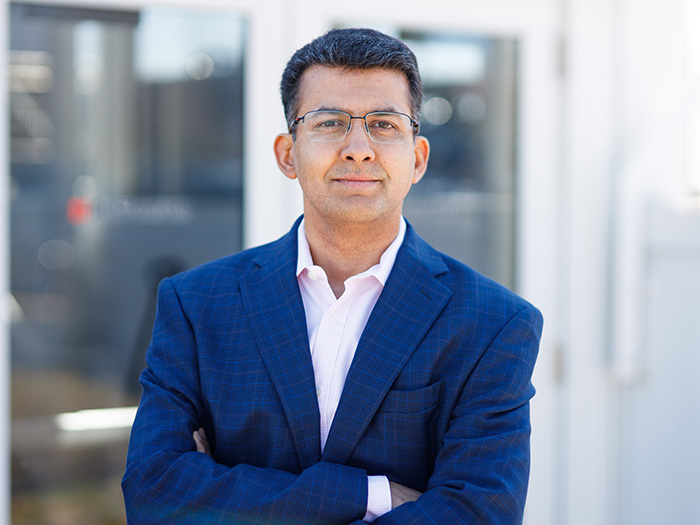

MedRisk CEO Sri Sridharan discusses how the company is using its vast workers’ compensation data, AI and provider insights to improve patient care, optimize medical costs and create stronger partnerships across the claims ecosystem.
Health care organizations are turning to innovative staffing models, technology and employee support strategies to address persistent workforce shortages and strengthen operational resilience.
As workers’ compensation claims grow more complex, today’s claims professionals are evolving into strategic coordinators who combine technology, clinical expertise, and collaboration to improve outcomes for injured workers and employers alike.
Homeowners’ associations account for a third of the U.S. housing market and continue to grow. With that growth comes a complex mix of exposures, from pool safety to armed security contracts, that demand thoughtful underwriting and risk management support.
From submission intake to claims processing, artificial intelligence is delivering measurable results for insurers willing to embrace change. Success will depend on overcoming ingrained habits and adopting a more modular approach to technology.
Captive insurance structures can offer companies greater control and transparency over their risk — but only when the fit is right. Here’s what first-time buyers need to understand.
As construction projects grow more complex and contractual requirements intensify, contractors are seeking efficient ways to meet their coverage obligations without sacrificing protection
Mike Sisk explains how increasing employment litigation, AI-driven workplace liability concerns, and regulatory changes are shaping a growing EPLI market that is expected to firm modestly in 2026.