Newsletters
 Risk Central
 Digital Edition
11 Professional Liability Questions for Mike Sisk of Philadelphia Insurance

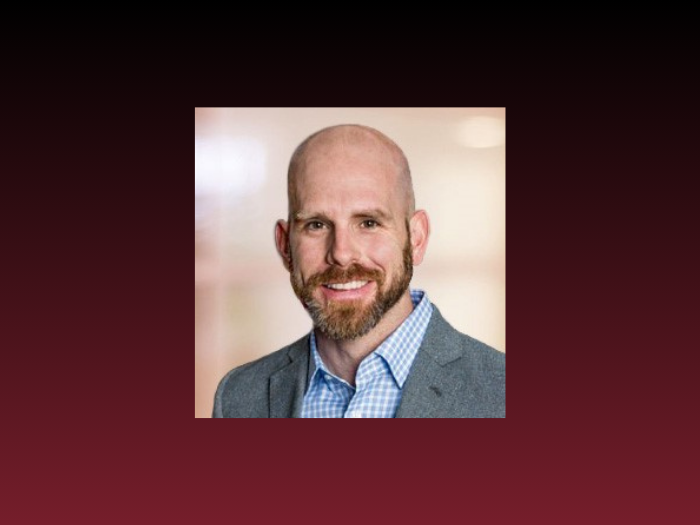
In May of 2026, Risk & Insurance caught up with Mike Sisk, Senior Vice President, Division Head of M&PL Underwriting, Philadelphia Insurance Companies (PHLY). What follows is a transcript of that discussion, edited for length and clarity.
Risk & Insurance: Thanks for meeting with us Mike. What should agents, brokers and insureds know about the current state of the management professional liability market and its outlook?
Mike Sisk: I’ll focus primarily on the employment practices marketplace, as it has the most potential to evolve over 2026.
Looking at the size of the market, it continues to grow at a healthy pace. Most experts estimate it at somewhere between $4 to $5 billion in the U.S. right now, expanding at high single digits year over year. I think we’re going to continue to see that growth remain.
The market has stabilized a bit over the last six to twelve months. We’ve been in a very soft market position since the latter half of 2022, remaining soft through the end of 2025, and now you’re starting to see it stabilize.
A lot of capacity has entered the market over the last few years. With all that, overall growth is expected to remain strong in 2026, and I think we’re going to see some market firming. We’re already starting to see it in certain geographic locations and sectors, and I think we’re going to continue to see that trend throughout the year.
R&I: What factors are driving potential market firming?
MS: There are multiple factors driving it. We’re continuing to see a rise in employment litigation, with lawsuits returning to pre-pandemic levels. Over the last couple of years, we’ve seen a significant increase in legal defense costs as inflation has impacted daily life. Attorney rates are certainly not immune to inflation either.
There’s been considerable evolution in workplace regulations, some of which have been very politicized. This includes pay transparency, issues around DEI, and managing hybrid work environments. Social inflation has not gone away either. It is still a very valid part of this marketplace.
And now artificial intelligence is coming into play on multiple fronts.
AI is certainly having an impact on workplace reductions in the overall labor market. But you’re also starting to see it have impacts on potential hiring bias as workplaces implement AI software to screen applicants or use it in performance management processes. Plaintiff attorneys are starting to target that potential bias that may be created in managing the workforce.
R&I: We assume that AI implementation in hiring and workforce management could create liability exposures, especially since screening tools could produce potentially biased results that are in fact documented.
MS: Exactly right. There are already lawsuits against HR software providers. There is litigation that will shape discussions around liability, coverage, and responsibility for AI-generated decisions.
Multiple jurisdictions have already enacted or are considering AI hiring regulations, while pay transparency statutes continue expanding nationwide. These regulatory developments increase litigation opportunities and can create new theories of liability.
R&I: Have there been any settlements or judgments related to AI job displacement?
MS: With AI job displacement, we’re seeing similar litigation as your standard wrongful termination, discrimination, and retaliation claims experienced from other workplace reduction events. For EPLI carriers, a single AI tool can impact thousands of applicants or workers, potentially creating a systemic or class action exposure.
R&I: Do you see AI implementation and regulations around it as factors in any potential market firming?
MS: Obviously, layoffs of any kind correlate strongly with elevated EPL loss activity. When you have workforce reductions and an individual is unable to find another job fairly quickly, that has a major impact on whether they’re going to litigate or not. If we see the unemployment rate start to tick up because of potential AI forces or other economic issues, that’s certainly going to further impact overall profitability for most EPLI carriers. I think that’s the logical direction the market is heading. We’re going to see some modest firming throughout 2026, with everyone keeping a close eye on the overall labor market and the pending AI driven litigation.
R&I: What should companies implementing AI do to mitigate or avoid lawsuits related to job losses?
MS: The organizations most likely to avoid AI-related employment litigation will be those that can demonstrate strong governance, human oversight, bias testing, and thorough documentation of employment decisions. When a claim arises, the critical question will be whether management exercised reasonable judgment and maintained appropriate controls over the technology.
From a risk management standpoint, you need to make sure you’re consulting the right people in the process of any potential layoffs or workplace reductions, especially for smaller to middle market companies that have less experience with these events. Involving experienced legal counsel is important for significant reductions. Many insurance policies, including PHLY’s, provide access to valuable risk management tools that can be helpful during these and other employment related events.
R&I: How would you characterize the current pace of technological change we’re experiencing?
MS: It’s remarkable. When you look at some of the forecasts and see how quickly technology is going to expand, it’s probably going to expand more in the next three years than in the previous fifty.
It’s going to be interesting to see what the horizon brings in the next few years.
R&I: What is your message to brokers looking to place professional management liability coverage for small to middle market businesses?
MS: For us, the small business to middle market segment is where Philadelphia Insurance is most aligned. We know that area very well, and I think it’s still the most underpenetrated by brokers across all sectors for Management Liability.
Large corporations certainly understand and are more apt to purchase EPLI, given their size, complexity, and knowledge of litigation. Smaller companies, however, still represent a significant opportunity for agents to aggregate business in this space because penetration remains relatively low.
R&I: How do state regulations impact the likelihood of legal action?
MS: They have a significant impact as states expand protective classes, create strict statutory liability and allow broader damages than federal law. Two of the most significant expansions that come to mind recently are biometric data protections and pay transparency legislation.
Pay transparency and pay equity are becoming a major driver in employment related litigation. The increased disclosure requirements provide employees and applicants greater visibility into compensation practices. As a result, perceived pay disparities are more likely to be identified and challenged, potentially leading to an increase in pay equity, discrimination, and retaliation claims.
R&I: How widespread are pay transparency laws across the United States?
MS: Currently 18 states plus Washington, D.C. have passed some form of pay transparency legislation. Colorado was the first with the Equal Pay for Equal Work Act in 2019 which went into effect the beginning of 2021. They strengthened and clarified the law in 2023. You are seeing more and more states follow the Colorado standard. It is a rapidly advancing movement throughout the country.
R&I: What tools or services does Philadelphia Insurance Companies provide to help businesses mitigate management liability risk?
MS: We have a great tool called PHLYGateway. It’s a multi-faceted approach to risk management.
The platform includes an attorney-supported, best practice helpline with unlimited consultations and a training and learning platform that offers specific state trainings based on your jurisdiction. It also provides model policies and documents, plus handbooks and similar resources that businesses can build from.
Additionally, PHLYGateway features an extensive library of articles on emerging issues and trends in employment litigation and workplace matters. &