 Newsletters
 Risk Central
 Digital Edition
Connected Operational Technology Widens the Cost of Cyberattacks, AXA XL Finds
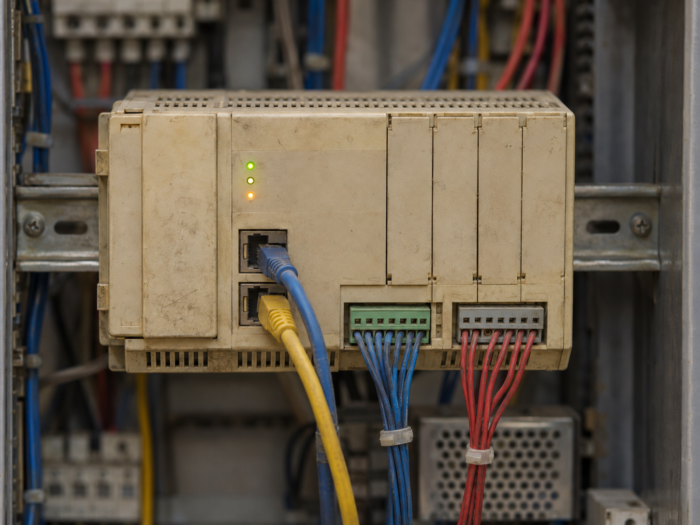
Cyberattacks on operational technology are increasingly stopping physical processes without ever touching the machinery itself, as compromised IT systems, suppliers or credentials alone can force a shutdown, according to a report from AXA XL.
Only 12% of respondents to a 2025 SANS survey had full visibility of how an attack could progress from an initial IT compromise to the controllers and physical processes within operational technology, the insurer’s report noted.
AXA XL’s report, produced with insights from DeNexus and Deloitte, said operational technology now underpins manufacturing, transport, energy, water, logistics, health care and commercial buildings, and that growing connectivity between physical equipment, cloud platforms, corporate systems and external suppliers has widened the routes through which disruption can reach critical operations.
Industrial cybersecurity company Dragos tracked 119 ransomware groups affecting more than 3,300 industrial organizations in 2025, almost 50% more active groups than the previous year, and its incident response team observed significant operational disruption in every operational technology ransomware case it handled during that period, the report said.
When IT Problems Become Physical Problems
A cyberattack does not need to compromise industrial control systems directly to halt production, the report said. It cited a major manufacturer that paused production across multiple sites after a cyberattack disrupted critical IT systems, with effects also felt by organizations in its supply chain. The report also pointed to a major industrial services company that restricted several activities following a ransomware attack on its corporate network even though operational systems were not directly compromised.
In July 2026, the FBI reported cyber incidents affecting water and wastewater organizations across at least seven U.S. states after malicious actors accessed internet-facing programmable logic controllers, with some incidents degrading water operations, including loss of pressure and flooding, the report said.
The UK National Cyber Security Centre warned in August 2026 of increased targeting of OT systems across multiple sectors globally, highlighting risks from internet-exposed systems, legacy connections and unmanaged assets, according to the report.
Some organizations assume their operational technology is protected because it is “air-gapped,” but wireless links, removable media, informal supplier access and legacy connections can still create routes into an apparently isolated environment, the report said.
Why Standard IT Security Does Not Transfer
Security controls built for enterprise IT often cannot be applied directly to operational technology because industrial equipment can remain in service for decades, operates under strict safety requirements and has limited maintenance windows, the report said. Even routine patching can interrupt production or take days to reverse if problems arise, and an aggressive network scan can place unexpected load on an aging controller, according to the report.
Responsibility for operational technology risk is also frequently spread across engineers, IT and security teams, and suppliers, each holding a different piece of the picture, the report said.
Mohamed Kameche, a partner at Deloitte, said in the report: “Ownership should ultimately sit with the executive accountable for operational performance, typically the chief operating officer or the asset owner, because they bear the consequences when production stops. Conflicts tend to arise when each group keeps its own risk register and speaks its own language. A shared OT risk taxonomy, a single governance forum with genuine decision-making authority and named individuals accountable to that forum remove most of the ambiguity.”
The Financial Equation Changes Once Operations Stop
Financial impact can widen rapidly once disruption moves from business systems into physical operations, with lost output, missed deliveries and contractual penalties potentially outweighing initial cyber-response costs or extortion demands, the report said. One in five respondents to the 2025 SANS Institute survey said full remediation from an operational technology incident takes more than a month, the report found.
Jose Seara, founder and CEO of DeNexus, said in the report that two sites using similar technology can face very different financial exposure, with factors such as production capacity, revenue, and the nature of the physical process, including pressure, toxicity, combustion or proximity to populations, multiplying the potential impact.
The report said costs from a single incident may touch cyber, property, business interruption, equipment breakdown, environmental, casualty or liability policies depending on the circumstances, and that shared machinery, software or suppliers across multiple sites can create co-exposure that allows one compromised provider to affect numerous businesses at once.
Obtain the full report here. &