
Rapid adaptability, not scale, has become the defining competitive advantage as supply chains, technology and capital access are increasingly shaped by national security priorities, according to Beazley.
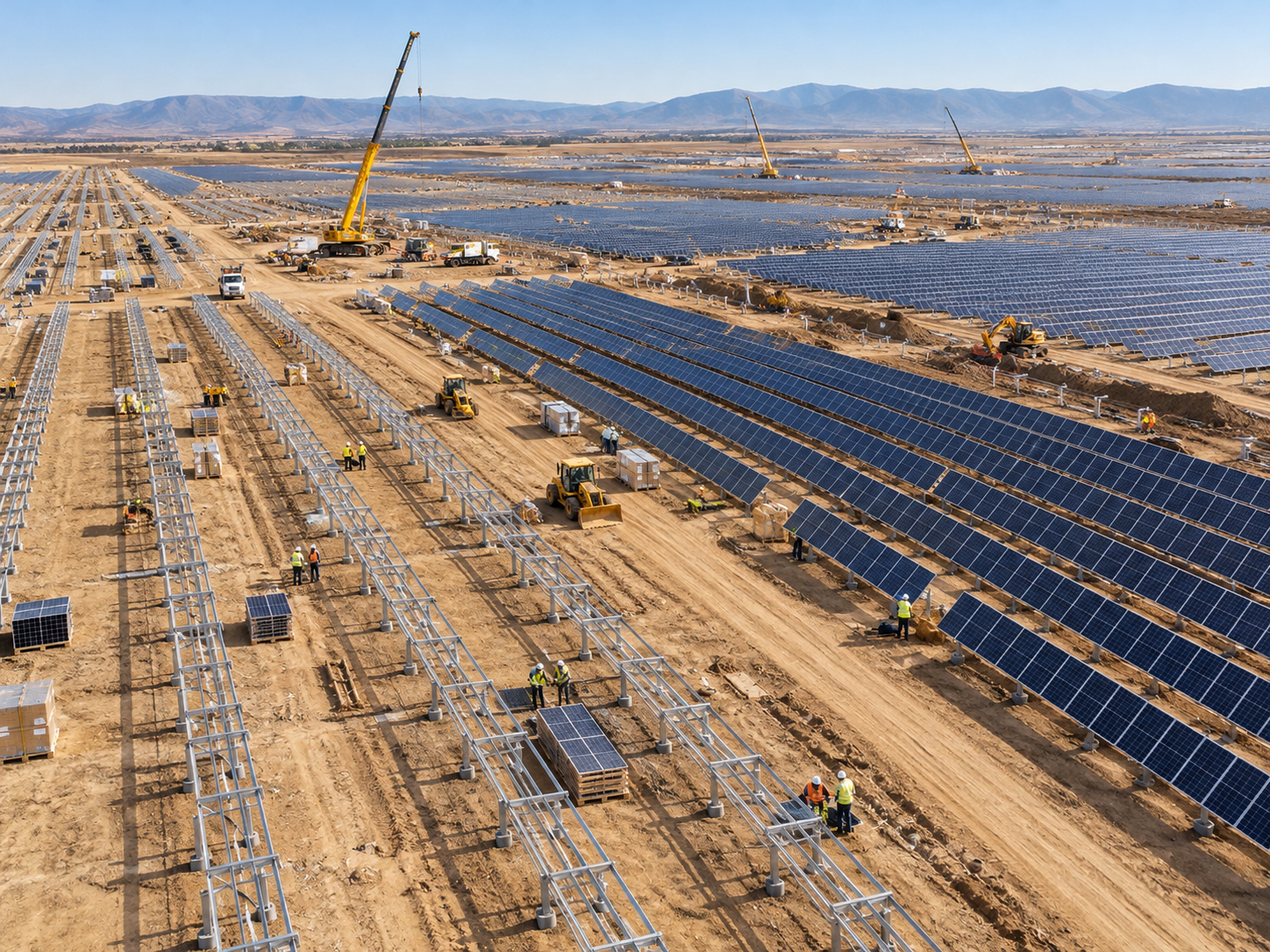
A global survey of 750 power generation risk decision-makers found that 78% say site selection decisions frequently create unanticipated downstream exposure, according to FM.
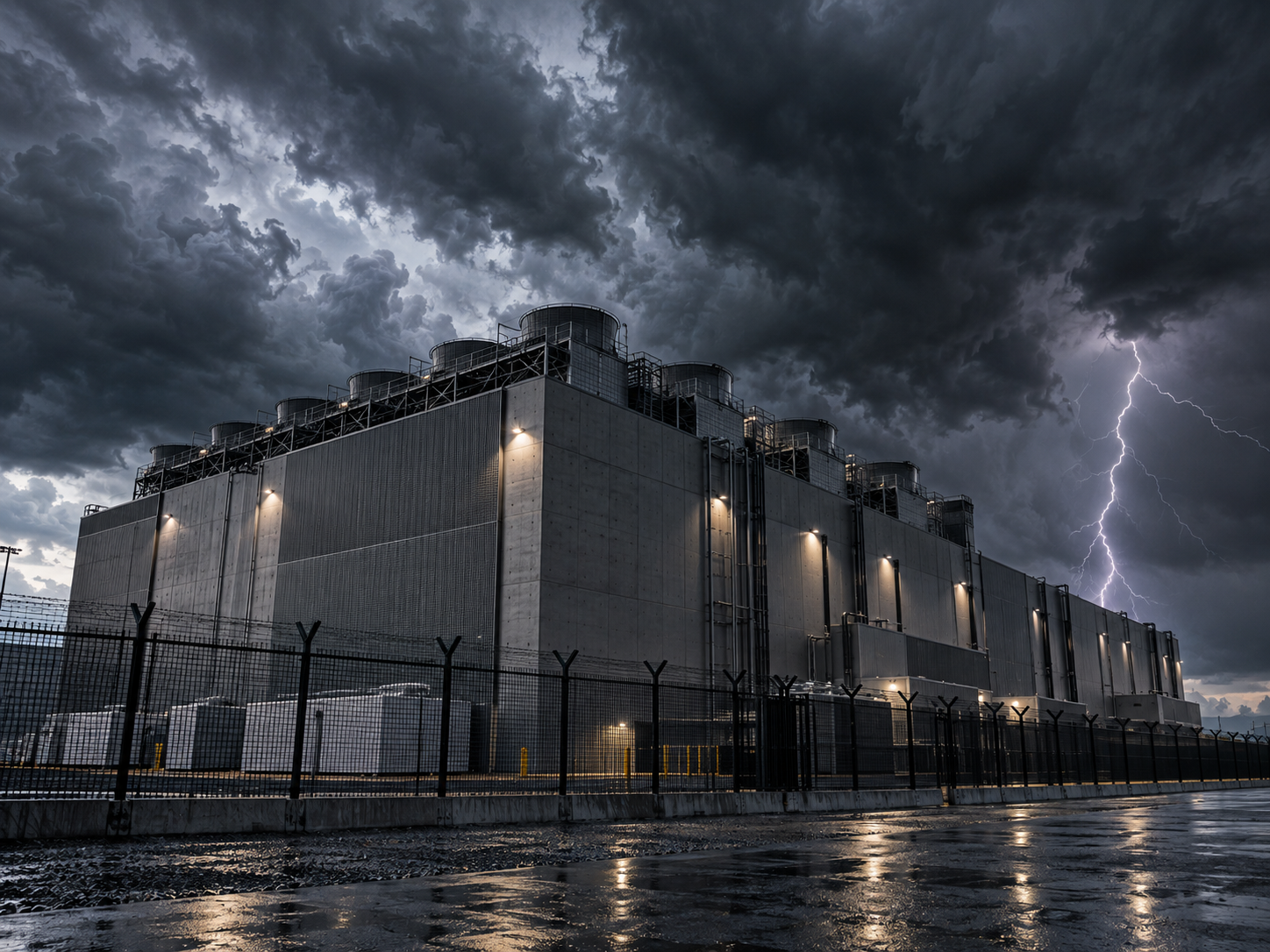
More than 90% of digital infrastructure leaders report a material disruption in the past five years, yet most organizations still prioritize growth over long-term resilience, according to research sponsored by FM.
Recalled units across five industries jumped to 941.2 million in H1 2026 from 211.3 million in H1 2025, putting 2026 on pace to top 1 billion units for the first time since 2022, according to Sedgwick.
The line has outperformed the broader property & casualty industry by more than 20 percentage points annually over the past four years, according to AM Best.
Only about half of companies assess supplier risk exposure and roughly one-fifth have a climate adaptation plan, leaving hidden vulnerabilities buried deep in value chains, according to Deloitte.
More than eight in 10 U.S. executives say they are more worried about their business’s future at midyear than they were at the end of 2025, Sentry reports.
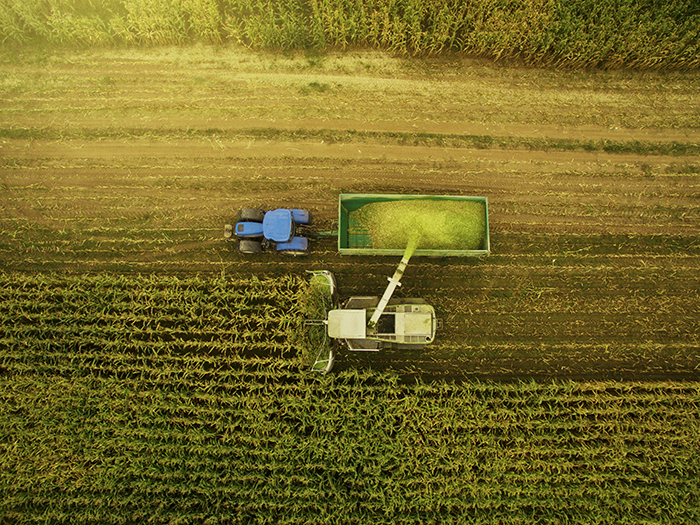
A widening spectrum of risks is eroding food, beverage and agriculture companies’ confidence in their ability to manage them, according to WTW’s Global Food, Beverage & Agriculture Risk Report 2026.
Organized criminal networks are increasingly using digital tools and impersonation tactics to steal high-value freight, according to BSI Consulting and Munich Re Specialty.
Abundant capacity and intensifying competition are driving premium reductions, but underwriters are increasingly rewarding risk quality, according to WTW.
The Strait of Hormuz blockade, aging fleets, and persistent claims inflation are among the mounting pressures transforming maritime risk, according to Allianz Commercial.
From cyber threats to workforce challenges, business leaders face a growing list of risks. A new report from The Hartford highlights where concerns are bubbling up and how companies can respond.
Risk has become a persistent feature of the business environment rather than an occasional disruption, according to Gallagher’s 2026 Business Owners Survey.
Business leaders at midsize and large U.S. companies rank cybersecurity and economic pressures as their foremost concerns heading into 2026, according to The Hartford’s annual Risk Monitor.
Two-thirds of U.S. businesses experienced a cyber event in the past 12 months, with AI-powered attacks hitting nearly a third of organizations, QBE reports.