 Newsletters
 Risk Central
 Digital Edition
Commercial Property Softening Levels Off While Casualty Lines Diverge, Baldwin Group Finds

Commercial property pricing fell 8.0% in the third quarter of 2026, essentially flat against Q2’s 8.1% decline, The Baldwin Group found in its Q3 2026 Market Pulse report. It marked the sixth consecutive quarter of negative property pricing and the first in which the decline did not deepen from the prior quarter, according to the report.
The property pricing index, which the report said peaked near 20% in the third-quarter of 2023, is weighted toward middle-market and single-insurer placements, with shared and layered programs seeing steeper reductions than the overall figure suggests. Casualty lines, by contrast, moved in divergent directions in the third quarter: commercial auto pricing rose 2.9%, general liability rose 3.5% and umbrella pricing rose 5.6%, the report found.
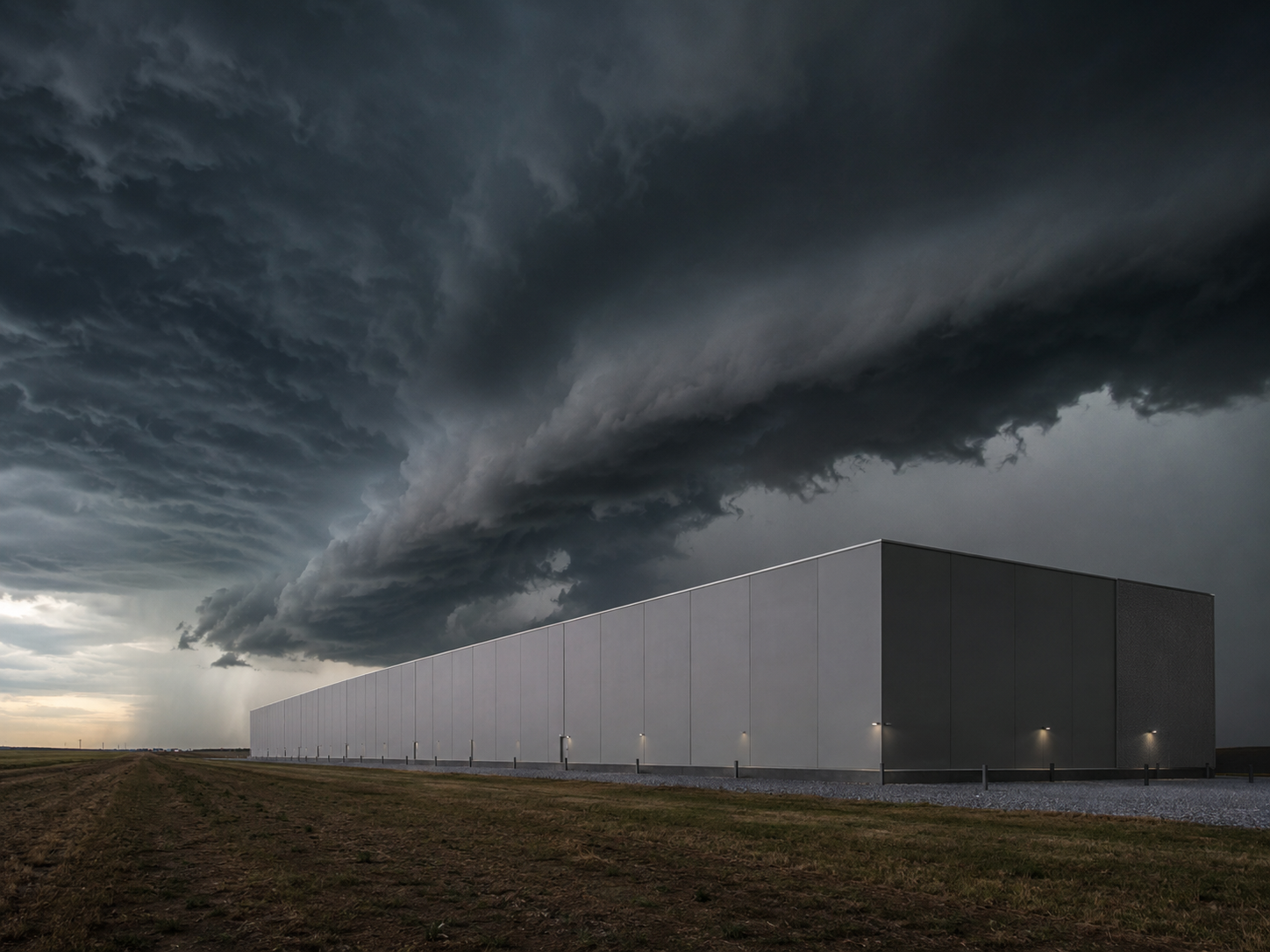
Property Softening Steadies as Storm Season Stays Quiet
The Baldwin Group attributed the leveling in property pricing to continued underwriting discipline alongside abundant reinsurance capital. Well-documented, loss-free accounts remained the primary beneficiaries, with many redirecting savings into restoring limits and broadening terms that had been cost-prohibitive during the hard market, according to the report.
Insurers continued to review insurance-to-value accuracy, rebuild-cost assumptions and catastrophe exposure, as tariff-driven material costs and labor shortages extend replacement timelines, the report said.
A quiet Atlantic hurricane season supported insurer confidence, with eight named storms and no hurricanes through late September as a strengthening El Niño suppressed development, according to the report. In a Moody’s survey cited in the report, 86% of reinsurance buyers expect property reinsurance prices to fall again in 2027, up from 74% in the 2025 survey, the report said.
Reinsurers are expected to hold the line on attachment points even as prices decline, shifting renewal conversations toward structure as well as price, according to the report. Continued softening is expected into the fourth quarter, with a late-season storm cited as the main variable, the report said.
Casualty Lines Split as Umbrella Pricing Diverges From Primary Coverages
Commercial auto pricing moderated for a third straight quarter, falling to 2.9% in Q3 from 4.5% in Q2 and 5.7% in Q1, the lowest reading since The Baldwin Group’s index began in Q3 2021, according to the report. General liability pricing eased to 3.5% from 4.5% in Q2 and 6.1% in Q1, marking the lowest reading in the index since a Q4 2025 peak of 9.3%, the report said.
Loss drivers including social inflation, nuclear verdicts, driver shortages and rising vehicle repair costs remained in place, and combined loss ratios above 100% persisted across the industry, according to the report.
Umbrella pricing moved the opposite direction, rising to 5.6% in Q3 from 5.0% in Q2, though still below Q1’s 8.2%, the report found. The Baldwin Group said the gap between primary and excess pricing is widening, driven in part by nuclear verdicts that reached a record in 2025, up 40.7% over 2024, with awards landing in umbrella layers.
Jury awards of $10 million or more also hit a record in 2025, with nearly 200 verdicts totaling more than $25.6 billion, a 40.7% increase over 2024, according to the report, while verdicts against the trucking and automotive industries nearly tripled to $3.4 billion across 12 cases.
Management Liability and Cyber Pricing Shift Direction
Private management liability pricing rose 3.1% in Q3, up from 0.9% in Q2, reversing the stabilization seen in the first half of 2026, the report said. Public D&O pricing moved the opposite way, falling 1.8% in Q3, in line with a 1.7% decline in Q2, as abundant capacity sustained competition for primary business despite market exits and insurer consolidation, according to the report. Securities class action filings reached 179 through Q3, up 19% from 150 in the same period of 2025, the report found.
Cyber pricing rose to 2.0% in Q3 from 0.4% in Q2, the highest reading since early 2023, according to the report. The report said claim frequency remains elevated while severity is rising even faster, driven by ransomware, A.I.-enabled social engineering, business email compromise and third-party outages.
Workers’ compensation pricing moved to negative 0.1% in Q3, up from negative 0.3% in Q2 and negative 1.0% in Q1, marking the second consecutive quarter of improvement, the report said, with medical severity continuing to climb due to specialty pharmacy costs, hospital pricing and the complexity of aging workforce injuries.
Obtain the full report here. &