Securities class action filings jumped to 121 in H1 2026 from 93 in the previous six months, with AI-related cases and mega-dollar-loss litigation fueling the surge, according to Cornerstone Research and Stanford Law School.
Court eliminates exhaustion requirement for declaratory relief and bad faith claims, allowing insureds to pursue all layers of coverage simultaneously in disputes over layered insurance programs.
The Baldwin Group’s Q2 Market Pulse ties the property downturn to falling reinsurance costs and a quiet hurricane outlook, even as litigation and tariffs keep casualty severity high.
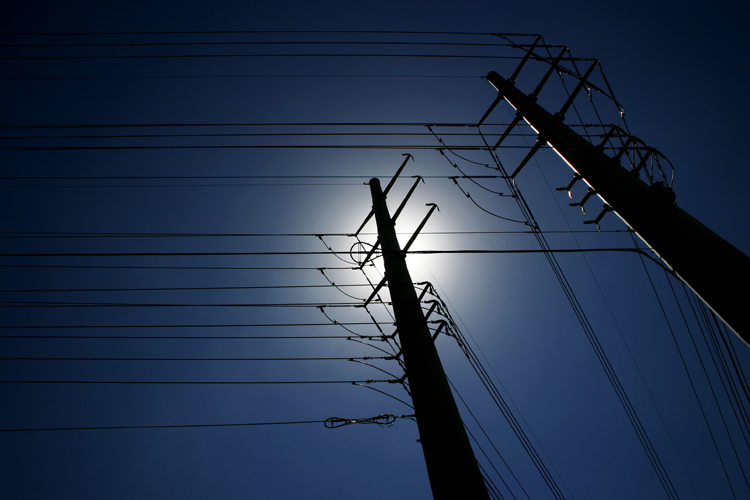
Aging poles and overland lines pose billion-dollar liability and business interruption risks that often fall hardest on companies that do not own the failing infrastructure, according to Allianz Commercial.
Karen London, President, Specialty Casualty, QBE North America, discusses the evolution of the casualty market, the importance of underwriting discipline, and how QBE is building a specialty casualty platform designed for long-term stability and sustainable growth.
Third-party medical financing is reshaping liability claims by inflating medical costs, increasing settlement pressure and driving higher insurance expenses.
Excess casualty has moved beyond traditional hard and soft market cycles. Here’s how clients, brokers and risk managers can navigate a more complex landscape defined by severity, specialization and structural change.
A California verdict signals a shift from content-based claims to design-based liability, reshaping insurance exposure across industries, according to Lockton.
Global reinsurer capital climbed to an all-time high at the start of 2026, driving double-digit price reductions and improved terms for insurance buyers at mid-year renewals, according to Aon.
The U.S. health care liability insurance market faces mounting structural stress in 2026, with contracting capacity, longer placement timelines and sharply higher pricing , according to Risk Placement Services.
U.S. commercial insurance pricing has softened significantly from recent highs, with aggregate price increases falling to 2.5% in the first quarter of 2026, according to WTW.
From cyber threats to workforce challenges, business leaders face a growing list of risks. A new report from The Hartford highlights where concerns are bubbling up and how companies can respond.
The expansion of AI-driven data centers is generating insurance demand that stretches beyond what the traditional P&C industry has previously experienced, AM Best says.
Insurance buyers and sellers are aligned on the threats reshaping the market, but coverage gaps remain in flood and cyber, according to a joint report from Munich Re US and the Insurance Information Institute.
Ample capacity is keeping pricing competitive across most lines for financial institution buyers, but underwriters are tightening terms in specific high-risk area, according to Gallagher.
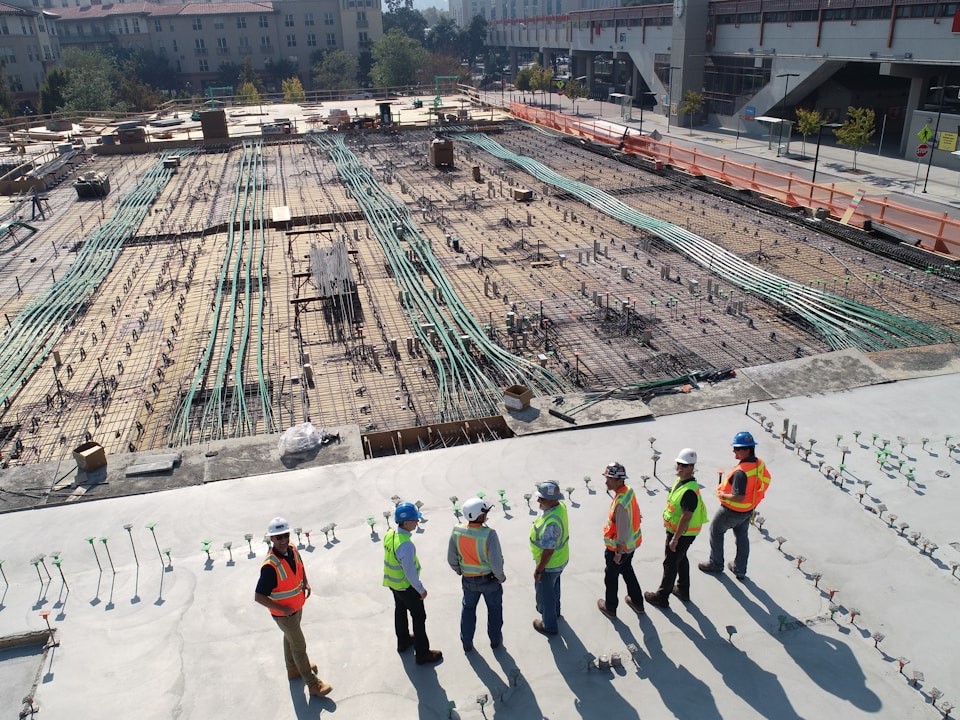
Soaring project values, catastrophe losses, and nuclear verdicts are reshaping coverage terms across property, casualty, and surety lines for the construction sector, according to Aon.
Business leaders at midsize and large U.S. companies rank cybersecurity and economic pressures as their foremost concerns heading into 2026, according to The Hartford’s annual Risk Monitor.