The U.S. health care liability insurance market faces mounting structural stress in 2026, with contracting capacity, longer placement timelines and sharply higher pricing , according to Risk Placement Services.
U.S. commercial insurance pricing has softened significantly from recent highs, with aggregate price increases falling to 2.5% in the first quarter of 2026, according to WTW.
From cyber threats to workforce challenges, business leaders face a growing list of risks. A new report from The Hartford highlights where concerns are bubbling up and how companies can respond.
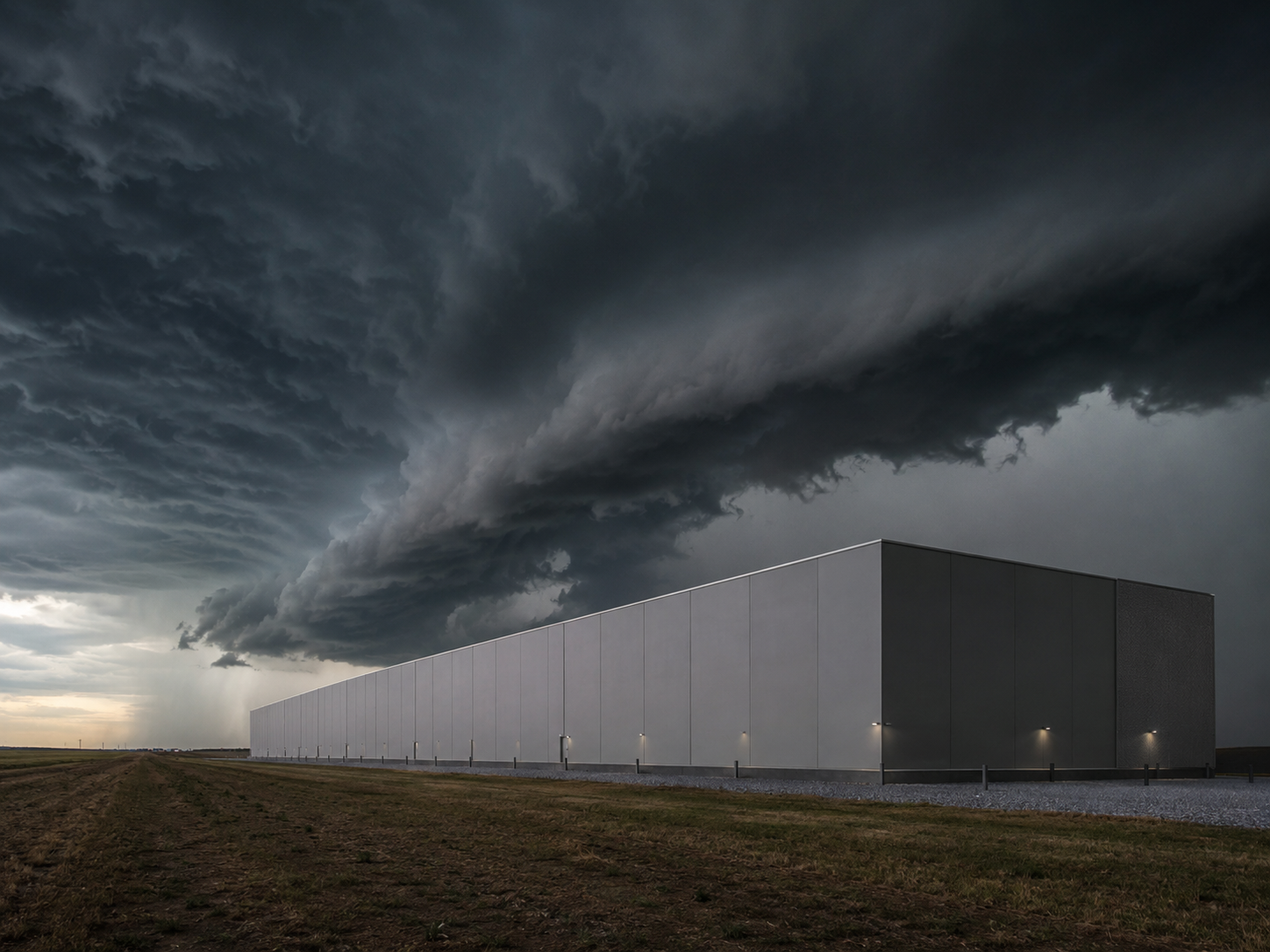
The expansion of AI-driven data centers is generating insurance demand that stretches beyond what the traditional P&C industry has previously experienced, AM Best says.
Insurance buyers and sellers are aligned on the threats reshaping the market, but coverage gaps remain in flood and cyber, according to a joint report from Munich Re US and the Insurance Information Institute.
Ample capacity is keeping pricing competitive across most lines for financial institution buyers, but underwriters are tightening terms in specific high-risk area, according to Gallagher.
Soaring project values, catastrophe losses, and nuclear verdicts are reshaping coverage terms across property, casualty, and surety lines for the construction sector, according to Aon.
Business leaders at midsize and large U.S. companies rank cybersecurity and economic pressures as their foremost concerns heading into 2026, according to The Hartford’s annual Risk Monitor.
The U.S. property and casualty industry recorded an unprecedented net underwriting gain of $22.10 billion in the first quarter of 2026, according to S&P Global Market Intelligence.
Q1 2026 InsurTech funding by AI-focused companies signals a market at an inflection point — where investment momentum and emerging liability risks are converging: Gallagher Re.
Sentry Insurance survey found that while 69% of U.S. executives believe a single multimillion-dollar verdict could shut down their company, only 17% list lawsuits among their biggest threats.
In this fictive scenario, a thriving boutique owner’s dream goes up in flames when a hidden electrical hazard and an overlooked insurance gap combine to deliver a devastating financial loss.
Global insurance rates declined for the seventh consecutive quarter in early 2026, driven by property rate drops and persistent insurer competition, Marsh reports.
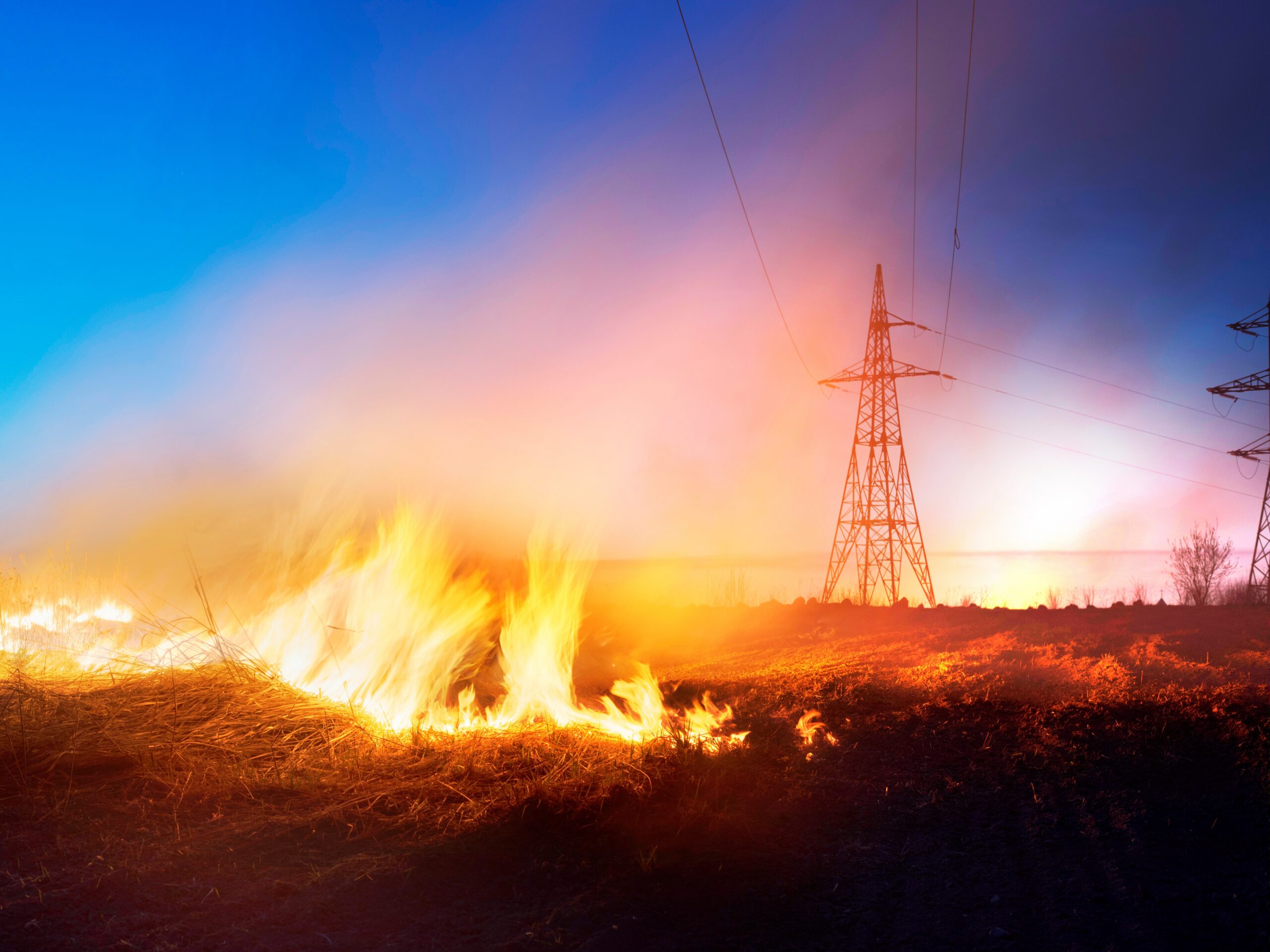
A report by the California Earthquake Authority concludes that the state’s current systems for managing wildfire risk are failing ratepayers, insurance policyholders, and disaster survivors.
Class action defense costs have more than doubled over the past 15 years, with a 28% jump in new filings expected in 2026, according to Carlton Fields’ annual Class Action Survey.
Privacy class actions tied to routine website tracking have surged nearly tenfold since 2022, with small and midsize businesses bearing a disproportionate share of exposure, according to KYND.
Ransomware losses, AI-driven exposures and nuclear verdicts threaten to disrupt the currently stable executive lines insurance market, according to Risk Placement Services.
Capital deployed to new commercial litigation funding deals rose sharply in 2025, though ongoing fundraising challenges kept the market tight, according to Westfleet Advisors.