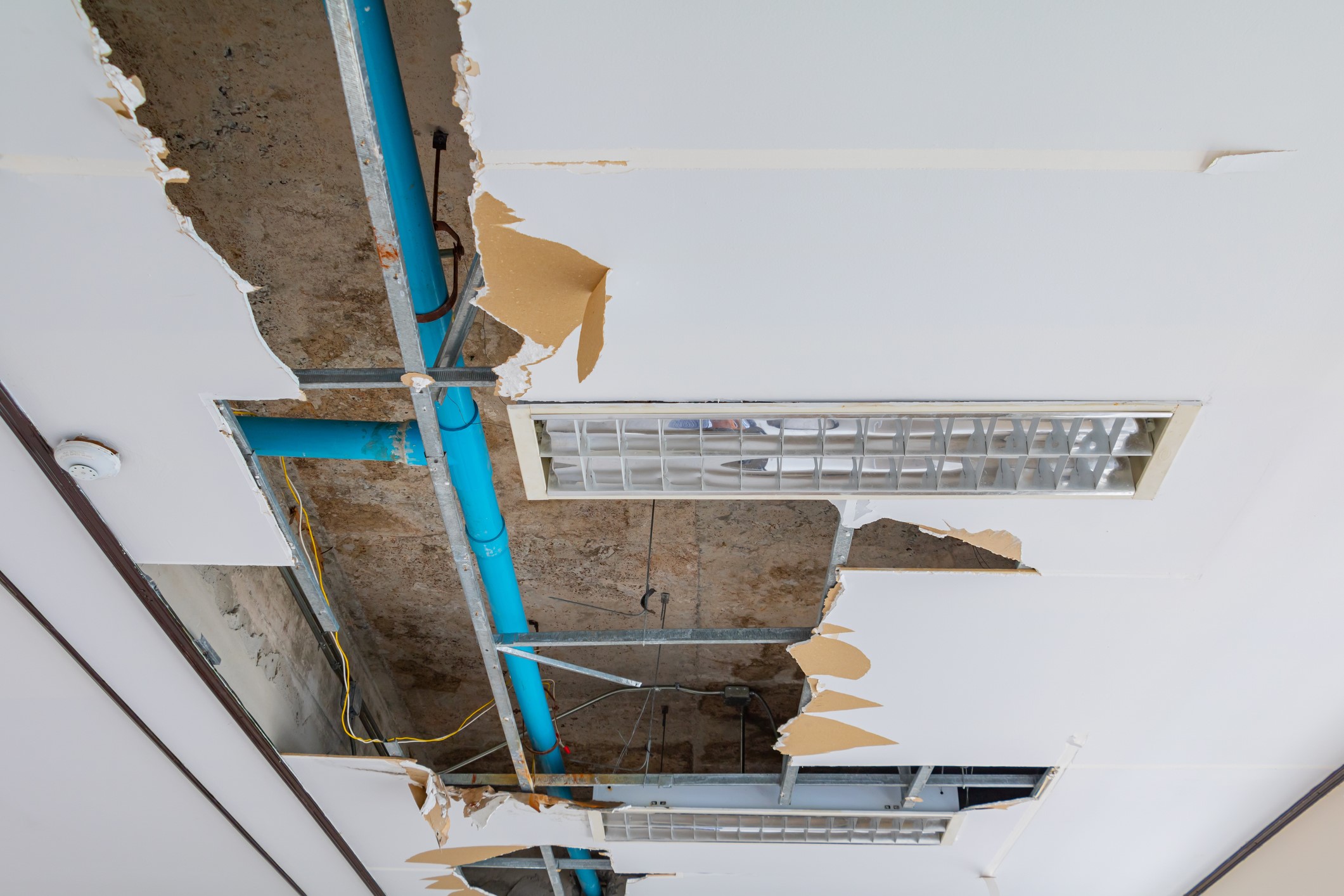
Softening property rates and stable capacity define the public entity landscape, though litigation and disaster aid changes could shift the burden to state and local governments, according to Amwins.
A growing category of AI-native risks — including hallucinations, algorithmic bias and model drift — falls outside the scope of standard insurance policies, according to Gallagher Re report.
Adverse development in 2025 concentrated in post-COVID accident years signals that loss trends are outpacing pricing assumptions industry-wide, S&P reports.
Favorable pricing in property insurance contrasts sharply with mounting challenges in casualty coverage across the real estate sector, according to Lockton.
United Educators’ 2026 report show fewer damage awards of $2.5 million or more against educational institutions, but overall costs of awards and settlements surged.
Litigation funding, evolving legal systems and shifting public attitudes are driving liability claims to record levels, according to Swiss Re Institute.
Property rates soften amid competitive capacity while social inflation and emerging risks pressure casualty lines, creating a bifurcated market in 2026: USI.
As physician shortages reshape workers’ comp care, CorVel’s Karen Thomas explains how nurse practitioners and physician assistants are improving access while maintaining quality, outcomes, and cost control.
MSIG USA Head of Casualty Jayson Taylor breaks down what’s fueling liability severity and why litigation funding transparency should be the industry’s next priority.