The best of R&I and around the web, handpicked by our editors.
White papers, service directory and conferences for the R&I community.

Web replica of the print magazine.
The U.S. casualty market is leaving billions of dollars in adverse reserve development to accumulate largely undetected until it surfaces in financial statements, according to Moody’s.
The Sony hacking makes real the fear that all the risk mitigation protocols you’ve become accustomed to may have outgrown their usefulness.
It’s crucial that Congress pass TRIA reauthorization and NARAB early in 2015.
Politics trumped rational decision-making and put businesses in the cross hairs of potentially having lapses in coverage.
Being vigilant on cyber security requires companies to have confidence in the IT protections of their vendors and partners.
Working overseas poses countless risks for employers and employees. Presented by Travelers.
An ex-employee’s injury on a factory floor may not be compensable, but raises liability questions.
The latest decisions impacting the industry.
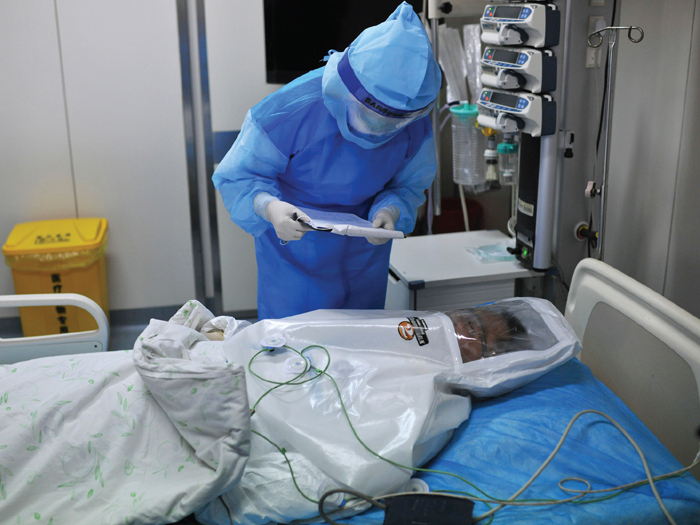
Even without an Ebola policy, organizations might be covered for losses from the disease.
Higher education risk managers are focusing on ERM, as well as cyber security and compliance risks.
Transportation safety in the oil and gas industry is being challenged by increased production.
It will be a wild ride for the primary and excess GL market in 2015.
New e-payment systems offer some data security advantages but they face implementation difficulties.
On Cyber Monday, skilled hackers diminish an online retailer’s credibility in mere minutes.
Niche risks like tattoo parlors and marijuana shops attract a special kind of broker.
Corporate risk managers are well positioned to take the lead on compliance responsibilities.
The risks from the hacking of medical devices needs to be more clearly defined.
A look at the latest decisions impacting the industry.
Risk managers must be prepared for SEC regulators, cyber-related lawsuits and other new litigation trends.
Risk managers should review policies to ensure they provide cover for risks associated with treating a patient presenting Ebola symptoms.
OSHA is considering reducing the burden of proof to find merit in a whistleblower’s claims.