


 Newsletters
 Digital Edition
Workers' Comp





 Risk Central
White papers, service directory and conferences for the R&I community.

Apply now to be a presenter at the 2018 National Workers’ Compensation and Disability Conference & Expo in Las Vegas.

Proactive risk managers can directly impact the direction of the workers’ comp industry.

Failing to act in good faith in the handling of a claim can have devastating consequences.

Like on the baseball diamond, a “double play” in workers’ comp demands a team mentality.

The 2017 Teddy Award winners share their winning workers’ comp strategies.
Don’t miss these presentations on Dec. 8, the final day of the National Workers’ Compensation and Disability Conference® and Expo.
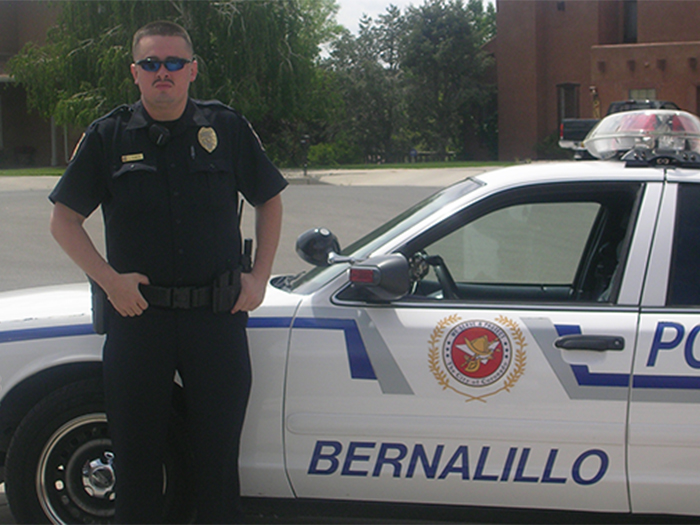
After a catastrophic injury, this real-life robocop was able to walk again thanks to a strong support system.

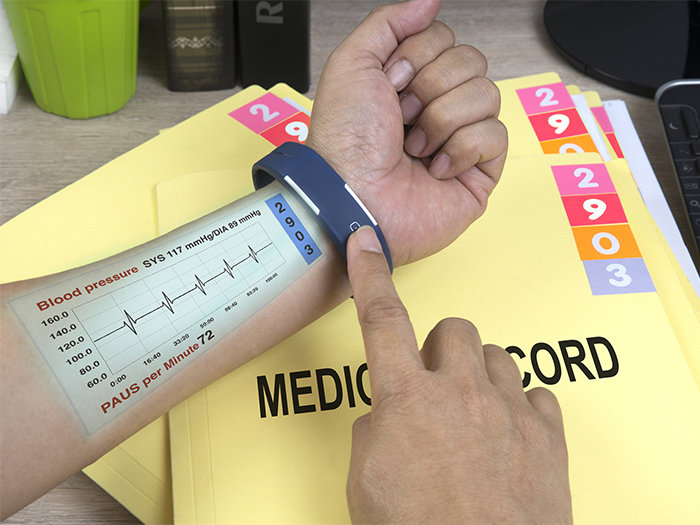
Safety, claims management and production should all benefit.
These sessions are among the many presentations on Dec. 7 at the National Workers’ Compensation and Disability Conference® and Expo.

For Nordstrom, putting employees first isn’t a tactic, it’s a mission statement.

Focus on quick treatment and not so much on the source of injury, experts advise.

Workers’ comp providers can work with doctors, adjusters and patients to get a handle on pain prescriptions.

As women leaders push upward into the executive ranks, they must help others to follow in their footsteps.
The very best workers’ compensation programs are the ones where workers aren’t just the subject of the program, they’re a part of it.
These sessions are among the many presentations on Dec. 6 at the National Workers’ Compensation and Disability Conference® and Expo.
Our Vegas home base offers prime opportunities for meaningful connections during the conference.

Injured workers and their employers search out ways to combat chronic pain, but they’re not always in agreement on the best solutions.

A new survey by Mitchell International Inc. looks at the role advanced technologies may play in workers’ comp.