The 2018 Teddy Award winners built their programs around people, not claims, and offer proof that a worker-centric approach is a smarter way to operate.
Value-based care will transform the way that medical providers treat injured workers. At the upcoming National Workers’ Compensation and Disability Conference, experts from Healthesystems will explain how it can work at your organization.
Claims about Tesla factory workers being put at risk are deeply troubling. Details that have come to light offer a useful guide to avoiding the hot seat the carmaker now sits in.
Simple injuries that spiral into catastrophic claims account for a disproportionate share of overall workers’ comp dollars. Understanding how we think about pain can go a long way toward developing effective treatment strategies.
A new breed of white-collar robots is marching into the workers’ compensation world, promising they will improve life for claims payers and injured workers.
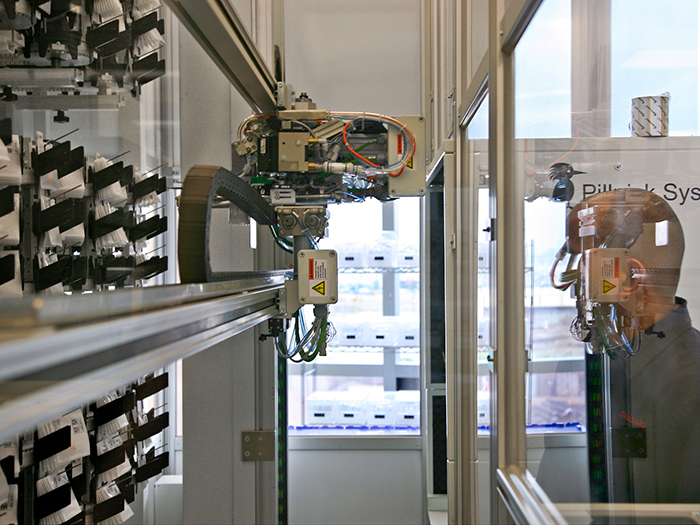
Robots in workers’ comp will enhance providers’ ability to deliver high-quality care to injured workers and can help payers control pharmacy-related costs.
The Workforce Safety team at Northwell Health is full of fresh ideas, including a dynamic safe patient handling program that cut lost time and indemnity claims by a third.
The opioid epidemic is still growing, and it’s seeping into seemingly safe places like work. Employers need to be one step ahead to stop an overdose before it’s too late.
The University of Pennsylvania, a 2018 Teddy Award winner, turned the University’s workers’ comp program around, giving it a unified identity and the structure it needed to succeed.
The 2018 Teddy Award winners built their programs around people, not claims, and offer proof that a worker-centric approach is a smarter way to operate.
Monmouth County, New Jersey, used a combination of advanced technology and safety-and-wellness programs to lower claims 44 percent and losses by 76 percent from 2009 to 2017.
For Main Line Health’s workers’ comp team, reducing employee injuries meant ditching the adversarial approach and pivoting to advocacy claims management.