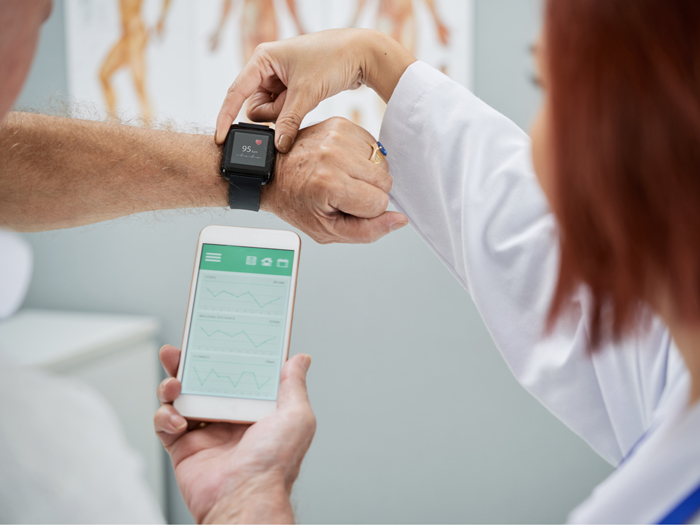
COVID-19 could permanently change the way care is delivered. Underwriters will watch how health systems manage ongoing safety concerns and pandemic-induced financial strain.
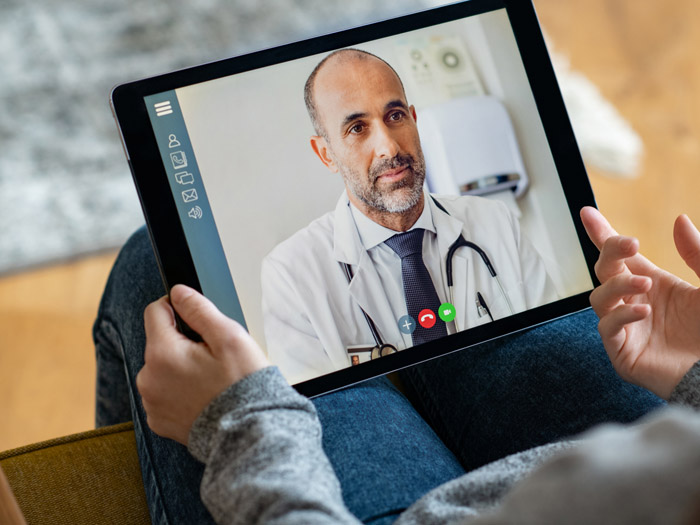
It seems clear that telemedicine is here to stay, which means the insurance industry has a need to fill to match this emerging exposure with policy language to suit and coverage to follow.
With the frequency and severity of liability claims increasing, colleges and universities will struggle to find affordable coverage in the primary market come renewal time.
According to a recent survey conducted by Lightico and Sapiens, a majority of American workers’ compensation professionals are actively looking to create a more technology-centered future industry.
While avoiding the risk of community spread by having classes exclusively online is not feasible for many colleges, the risk of spreading the virus can be reduced by banning all mass gatherings, including college football practices, on campus.
A session at the 2020 CLM Workers’ Compensation and Retail, Restaurant & Hospitality Conference looked at how new technologies are influencing workers’ comp.
Several factors, including the recent COVID-19 crisis, have catapulted health care systems into what many are calling a “new normal.” Those in the space must prepare now for the emerging risks to follow.
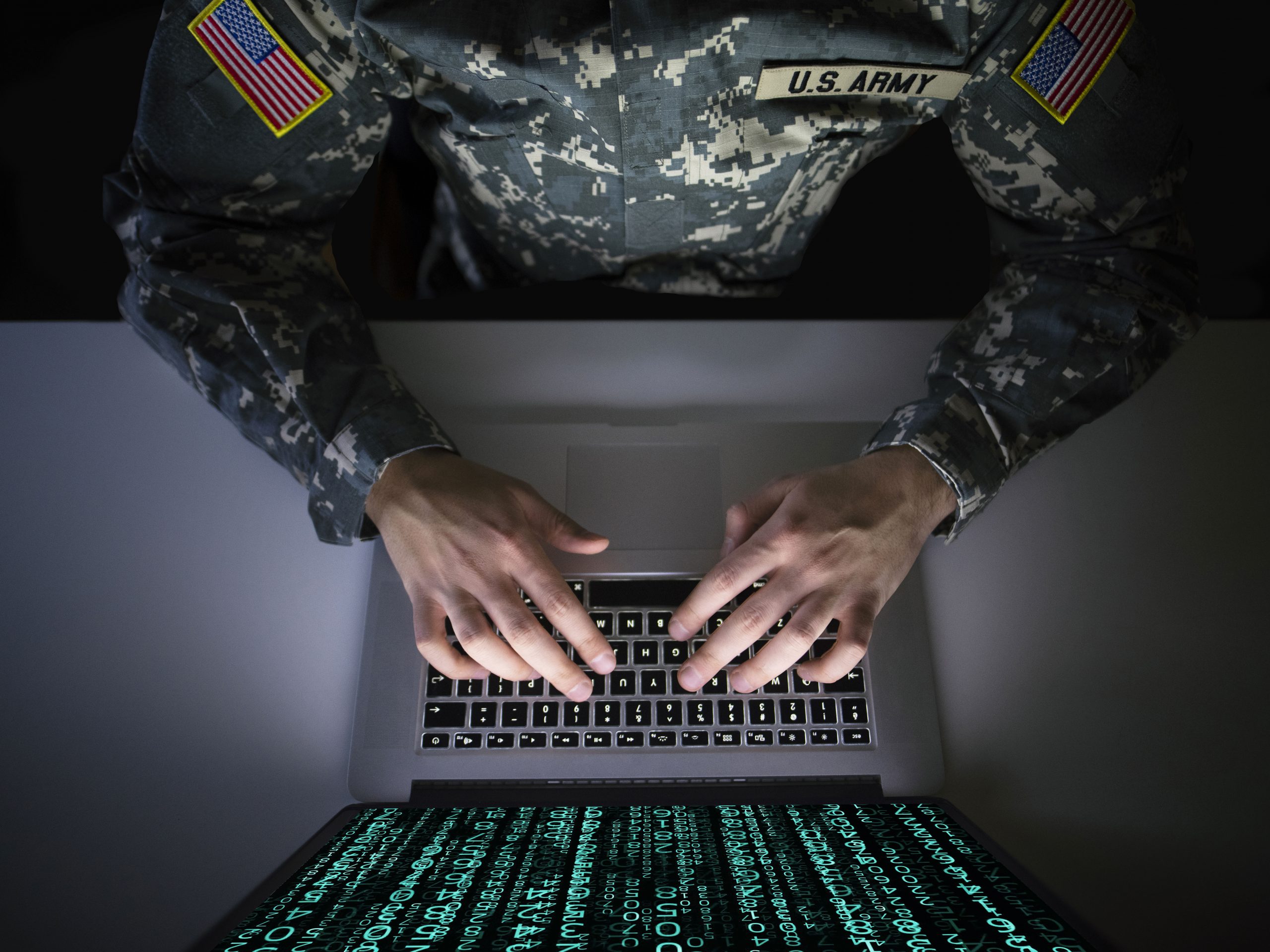
Think about what it means if an organization converts to a microservice architecture monitored by a cybersecurity rater. A person knocking on the cyber wall door will trigger risk management responses.
As the cost of video monitoring goes down and the quality improves, video monitoring will likely become ubiquitous on construction sites, thus improving safety and efficiency.