The best of R&I and around the web, handpicked by our editors.
White papers, service directory and conferences for the R&I community.

Web replica of the print magazine.
Recalled units across five industries jumped to 941.2 million in H1 2026 from 211.3 million in H1 2025, putting 2026 on pace to top 1 billion units for the first time since 2022, according to Sedgwick.
Shifting strategies are influencing the way multinationals design their global programs.
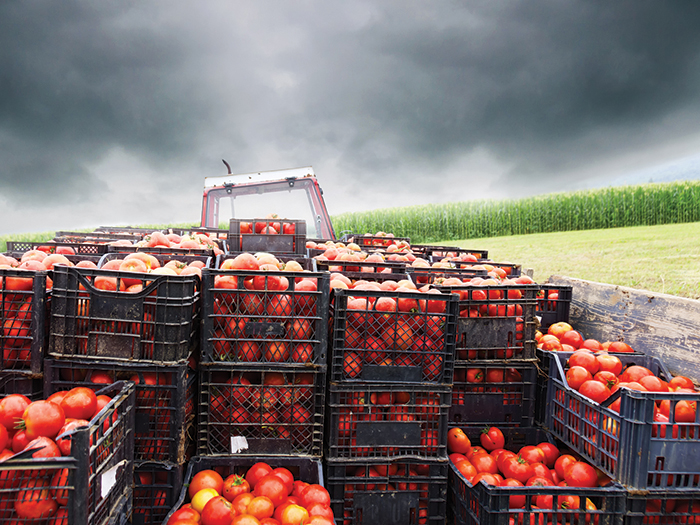
Restaurant patrons call for locally sourced menus, but short supply chains up the risk of foodborne illness.
Key drivers are increased retail distress, but also bank eagerness to monetize.
Overall economic impact may reach $100 billion.
Underwriters now use the Internet of Things to help determine whether their agriculture and supermarket clients have adequate processes in place.
Nationalistic policies aim to boost American wealth and prosperity, but they may do long-term economic damage.
Compliance officials rank reputational risks posed by third-party partners as their top risk, and one-third expect the risks of bribery and corruption to increase.
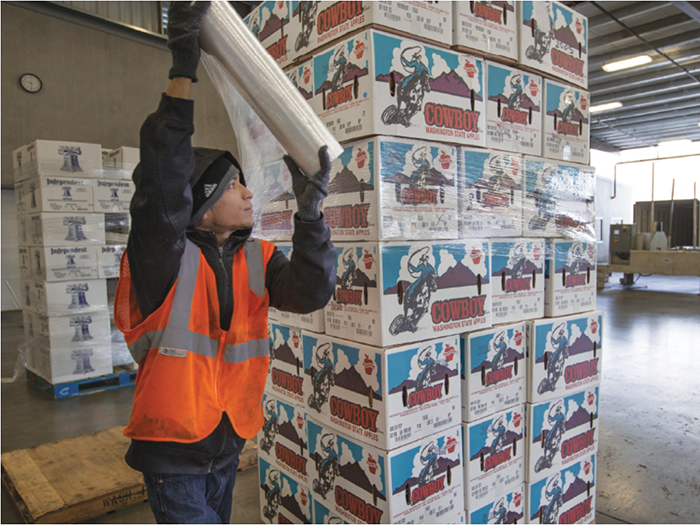
Insurers struggle to respond to a new regulation governing sanitary food transportation.
Companies that let their captives gather dust could be missing out on savings opportunities.
Bigger ships passing through an expanded Panama Canal translates to bigger risk accumulations.
Many small and mid-size businesses underestimate their exposure to supply chain disruption.
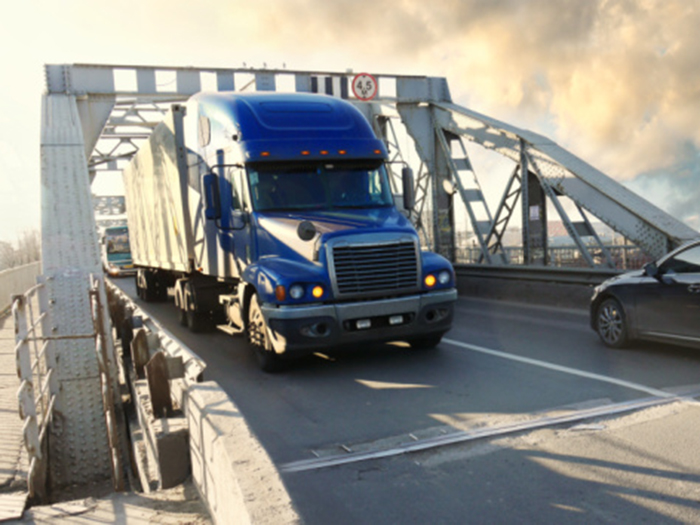
Ten percent of America’s bridges are plagued by deficiencies or load restrictions, threatening supply chains.
Marine
Transportation
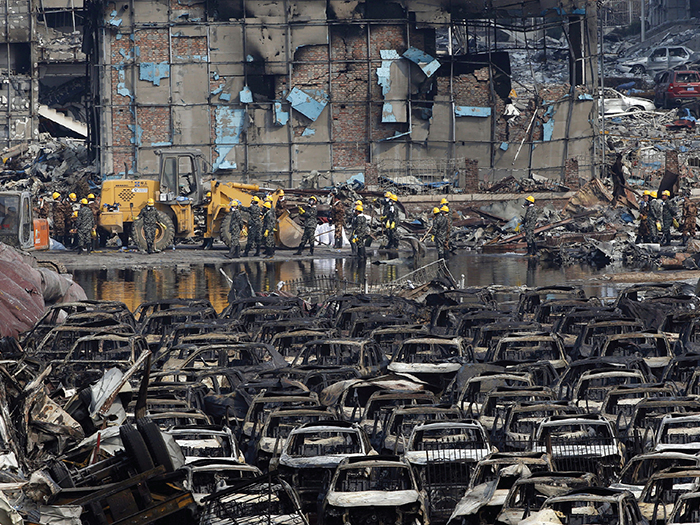
The insurance industry faces a long and arduous claims process for last year’s devastating Tianjin Port disaster.
Investment in Chile and Paraguay is up sharply, as Brazil sees some investment declines.
Small and mid-sized companies underestimate a disruption’s potential impact.
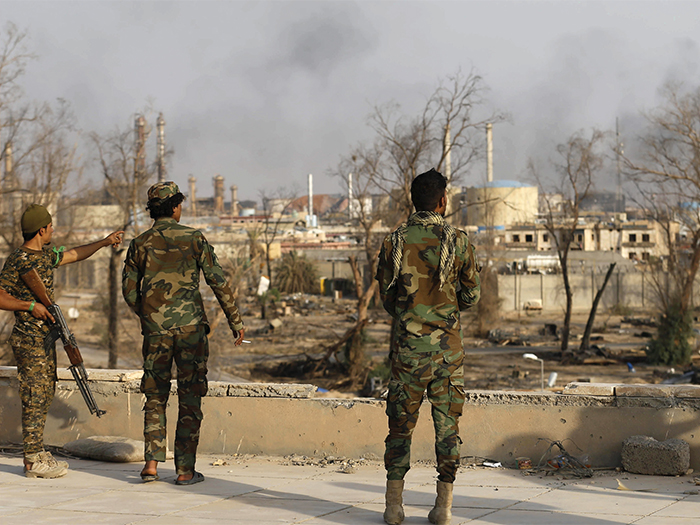
Insurers and brokers are developing unique tools to help insureds stay ahead of global political risks.
Lack of pre-loss planning leaves a manufacturer and its supply chain vulnerable in the face of disaster.
Regulators have decided they can’t risk electricity shortfalls. A new insurance market may result.