More than half of digital health executives expect their businesses to shrink in the next year as cyber, AI and regulatory risks increasingly overlap, according to Beazley.
When rising workers’ compensation costs signaled that there was opportunity for improvement, Griffin Health’s leadership team took an honest look in the mirror — and built a management-driven culture of accountability that cut claims, reduced costs, and made employee safety as central to the organization’s mission as patient care.
By transforming its approach to youth care and injury prevention, George Junior Republic achieved a dramatic reduction in workplace injuries and lost workdays — proving that caring for the young people they serve and protecting the staff that serve them are inseparable goals.
Over a decade of disciplined, incremental building, Essentia Health transformed a fragmented, claims-only workers’ compensation program into a fully integrated system of prevention, early intervention, and purposeful return-to-work — one that now serves caregivers across three states with the consistency and care they deserve.
Emerging from the pandemic with an exhausted workforce and a stalled safety culture, Aspirus Health rebuilt its workers’ compensation and employee safety programs from the ground up — one hospital, one relationship, one conversation at a time.
When two of the country’s largest health systems merged to form Advocate Health, the challenge of unifying their workers’ compensation programs fell to Melinda Daniel — who built a single enterprise program for 150,000 teammates across six states, guided by one simple principle: teammates taking care of teammates.
In a profession defined by caring for others, Benchmark Senior Living has built a workers’ compensation and safety program that turns that same ethic inward — treating injured associates with the same commitment to human connection that defines care for its residents.
Clear, consistent documentation of adverse events supports continuity of care and can influence whether an event leads to litigation. Here’s what belongs in the record—and what doesn’t.
Health care organizations are turning to innovative staffing models, technology and employee support strategies to address persistent workforce shortages and strengthen operational resilience.
Underwriters are increasingly distinguishing between NFPA 13, 13R and 13D sprinkler systems when pricing senior living risk, according to Gallagher Property Risk Engineering.
Workplace violence has risen steadily across most major industry sectors since 2011, with health care and social assistance remaining the epicenter of the problem, according to the NCCI.
From transparency and collaboration to proactive problem solving, Jeni VerMeulen explains the qualities that distinguish true partnerships in today’s evolving workers’ compensation landscape.
With the ever-increasing severity of medical malpractice payouts, hospitals and health care systems take strategic risk mitigation action through captives.
When Meharry Medical College reached out to Cecelia Rogers of Marsh Risk about creating an African American-only human genome database, she put her relationship skills to the test
The U.S. health care liability insurance market faces mounting structural stress in 2026, with contracting capacity, longer placement timelines and sharply higher pricing , according to Risk Placement Services.
AI is no longer a future promise but a present force reshaping claims — where faster care, smarter early decisions, and scalable innovation are redefining outcomes and costs across the industry.
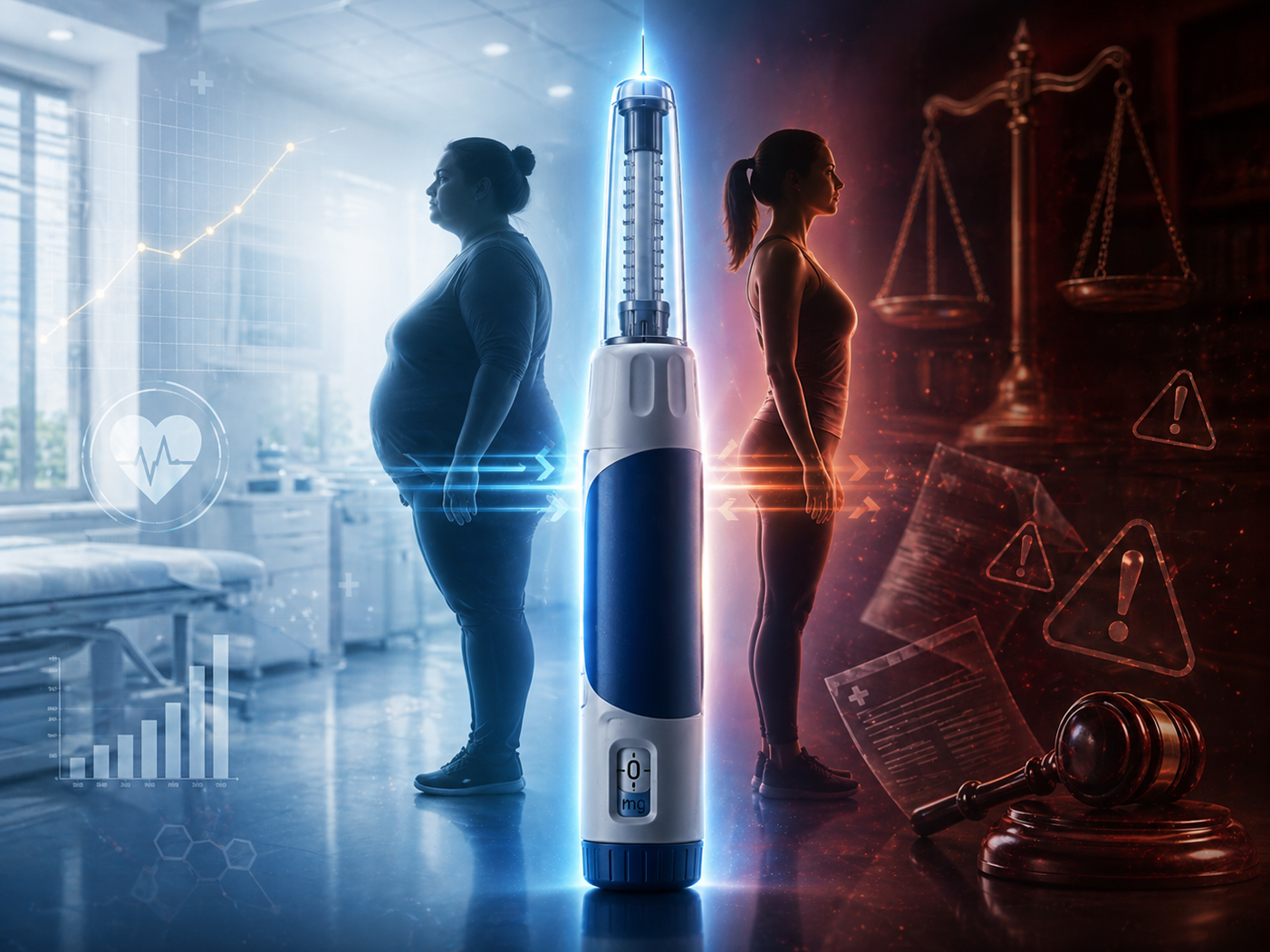
As millions of patients gain access to popular weight-loss medications, physicians and health systems face a growing landscape of liability risks they need to prepare for now.
AI in claims is no longer about insight alone — it’s about embedding intelligence into everyday workflows to drive faster decisions, stronger outcomes, and more human-centered care.
Compounding forces including litigation funding, nuclear verdicts and aggressive trial strategies are pushing medical professional liability severity well beyond general inflation, S&P Global Market Intelligence found.