Newsletters
 Risk Central
 Digital Edition
2026 Theo Award Winner: Griffin Health
 Stephen Mordecai has been at Griffin Health Services located in Derby, Connecticut for 21 years. In that time, he’s watched the community hospital’s approach to employee safety evolve, stall, and evolve again. He knows better than most that safety programs don’t run on autopilot.
“When you’re doing OK — or even well — at something, you take your eye off it,” he said. “You get complacent. You start focusing on other things. And then the thing you thought you had hardwired in your organization all of a sudden isn’t as hardwired as you thought.”
That’s exactly what happened at Griffin heading into the early 2020s. The disruption of COVID-19 reshuffled priorities across the organization as human safety became paramount, and workplace safety took a bit of the backseat. Claims crept upward. Costs rose. Overexertion injuries and slips, trips, and falls — the two chronic pressure points in any health care environment — were trending in the wrong direction.
There was no single catastrophic event that triggered the response. Just mounting recognition that something needed to change to keep employees safe and patients well cared for.
Taking Stock
In late 2023, Griffin established an Executive Steering Committee to lead a comprehensive review of its safety operations — not just the numbers, but the processes driving the outcomes. The Executive Steering Committee’s work touched on a wide range of topics, including reporting structures, investigation quality, claims management workflows, and how injured employees were being supported through their recovery.
The committee worked closely with Griffin’s insurance partner, PMA, to examine best practices from comparable employers and identify where changes could make a meaningful difference.
“Many of the changes we made were small,” Mordecai said. “They weren’t revolutionary; they were incremental adjustments here and there — all that collectively created a better reporting structure, a better investigation structure, and a more employee-friendly claims process to make people feel confident that we’re there to support them.”
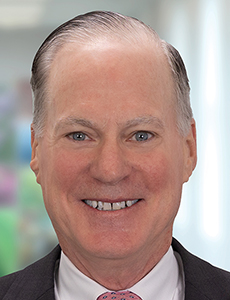
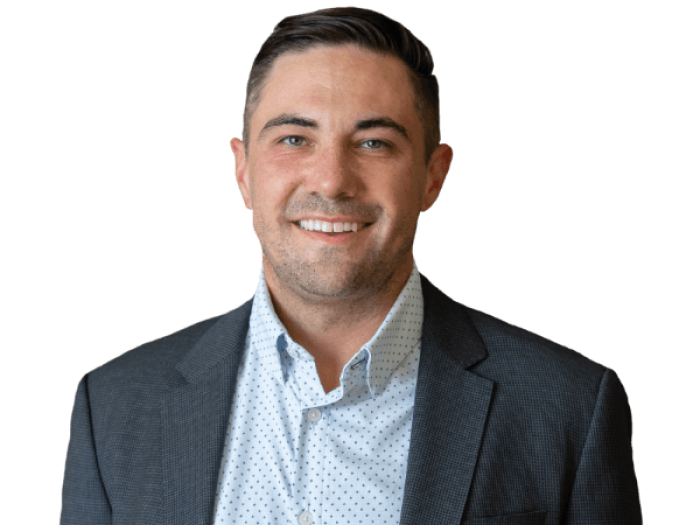
Stephen Mordecai, Chief Human Resources Officer, Griffin Health Services
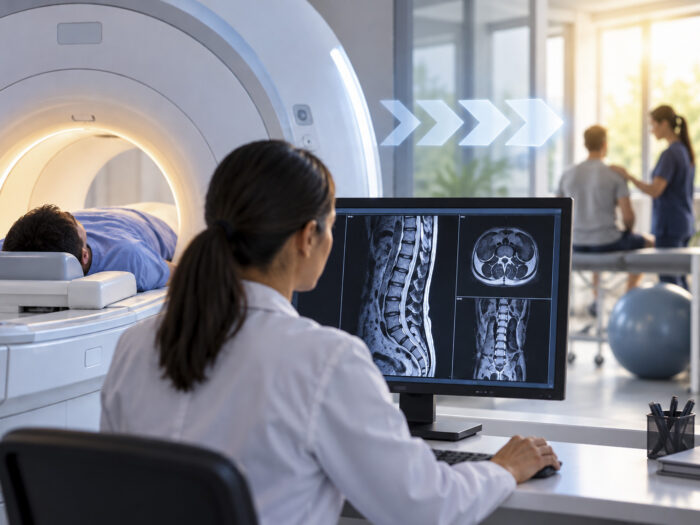
One of the most important changes was how Griffin responded after an injury occurred. Previously, the focus was on retraining the individual who got hurt. The team shifted that model entirely. When an overexertion injury happens on a nursing floor, Griffin now brings physical and occupational therapy staff to that entire department to train everyone on safe techniques.
“We’re no longer looking only at the person who got injured,” Mordecai explained. “We’re looking at the whole department and trying to prevent that injury from occurring again.”
Senior leadership was embedded in the process from the start — reinforcing the message that safety accountability runs up and down the organization, not just through HR or risk management offices.
Keeping It Front of Mind
In a hospital with 130 departments, sustaining a safety culture means constant, deliberate reinforcement. Griffin built a cadence of touchpoints designed to keep safety visible at every level.
Injuries are brought to the organization’s daily management huddle. A monthly safety committee — staffed roughly 70% by frontline employees — reviews incidents and trends. Each month, managers receive a safety topic to discuss at their staff meetings.
And now Griffin is rolling out a new accountability measure: any manager whose department has an injury will be required to attend the monthly safety committee meeting and explain what steps they’re taking to prevent a recurrence. That committee includes the Chief Human Resources Officer, the CFO, the VP of Patient Safety and Care Improvement, and the VP of Patient Care.
In essence, “You’re answering to the top of the organization,” Mordecai said.
The annual safety fair has become a centerpiece event, bringing together employees, managers, and PMA partners for hands-on education. When a Connecticut winter produced a cluster of parking lot falls in a two-week stretch, the team responded with what Mordecai described as “Penguin Walk training,” demonstrating safe walking techniques in icy conditions right in the hospital hallway.
“We do spot education,” he said. “We keep it top of mind.”
What the Numbers Show — and What They Don’t
The results over the past several years have been significant. Total claims have declined steadily. Incurred losses have dropped dramatically from their peak. Lost-time claims have been cut by more than half. Improvements in the two major cost drivers — patient handling injuries and slips, trips, and falls — have been particularly pronounced.
But Mordecai is careful about how he frames those numbers.
“I’d love to say I’m really proud of the fact that we’ve reduced our injuries, reduced our spend, and reduced our lost time,” he said. “But that’s a snapshot in time. Today I can tell you our numbers are down, but things can change quickly, especially if our focus shifts to something else.”
What he is proud of is harder to put in a spreadsheet.
“We’re changing the culture,” he said. “We’re showing our employees that we care about them. We want to make sure they’re safe in the work they do. And that contributes to creating an exceptional work environment.”
“Griffin Health’s success demonstrates what is possible when committed leadership is paired with a strategic claims and risk management partnership,” said Dominic Perno, Lodestar’s director of sales Northeast Region.
“Lodestar is proud to have worked alongside their team to strengthen safety practices, support employees, and achieve meaningful results.”
Health care is physically demanding in ways that often go unappreciated outside the industry. Nurses and patient care staff are on their feet for hours, repositioning patients, navigating crowded floors, and managing unpredictable situations. “Nursing and patient care is as labor-intensive as working in a warehouse,” Mordecai said. “You may not be picking up 50-pound boxes, but you might be trying to move a 400-pound patient.”
Protecting the people who do that work — not just from the cost of their injuries, but from the injuries themselves — is the focal point of Griffin’s philosophy.
“The bottom line, in everything I’ve ever done around safety, is to make sure I’m creating a safe work environment,” Mordecai said. “So that employees can come to work and feel they’re going to be supported and go home the same way they came in.” &

 The Theo Award celebrates its sophomore year, honoring 28 workers’ compensation programs for their excellence and service to workers across the nation. To learn more about the award and amazing qualities each winner possesses, visit here.