Newsletters
 Risk Central
 Digital Edition
2026 Theo Award Winner: Advocate Health
 Mergers are hard. Health care mergers are harder. And when Advocate Aurora Health and Atrium Health combined to form Advocate Health — one of the largest nonprofit health systems in the United States — the operational complexity was staggering.
More than 150,000 employees comprised of physicians, nurses, researchers, faculty, and support staff. Sixty-seven hospitals. More than 1,000 care sites spanning North Carolina, South Carolina, Georgia, Illinois, and Wisconsin.
Each of those legacy systems had its own workers’ compensation program, its own claims administration model, its own vendors, its own workflows, its own culture. The task of bringing them together into a single, coherent enterprise program without disrupting care for injured workers in the middle of transition fell to Melinda Daniel, vice president of workers’ compensation.
“We looked at both legacy programs and said: What makes most sense? How can we best serve our teammates?” Daniel said. “We put them both in a bucket and selected best practices across the board. Whether you’re in North Carolina or Wisconsin, you’re getting the same experience.”
One Program, One Standard
The philosophy behind the integration was straightforward, even if the execution was anything but. Advocate Health would not simply adopt one legacy program and impose it on the other. Instead, the team took a clean-sheet approach — building an enterprise standard that drew on the strongest elements of both systems, then worked through the jurisdictional approvals required to operate as a self-insured entity in states where that authorization didn’t yet exist.
“We have been representing employers in workers’ compensation claims in NC for over 30 years. Of the hundreds, if not thousands, of workers’ compensation claims professionals we’ve worked with, we can say without hesitation that Melinda and her team are easily among the best. Several years ago, when Atrium Health merged with Advocate Health, the sheer complexity of the task of joining two separate massive workers’ compensation departments was staggering. Most people don’t fully appreciate how much of an undertaking a project like that is until they’re in the middle of it,” said Chris Moyer, Business Development & Marketing Manager, Hedrick Gardner Kincheloe & Garofalo, LLP.
The move to self-administration was central to the strategy, Daniel said.
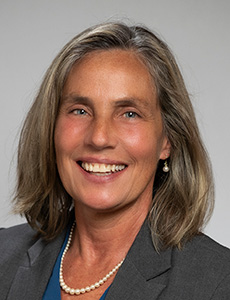
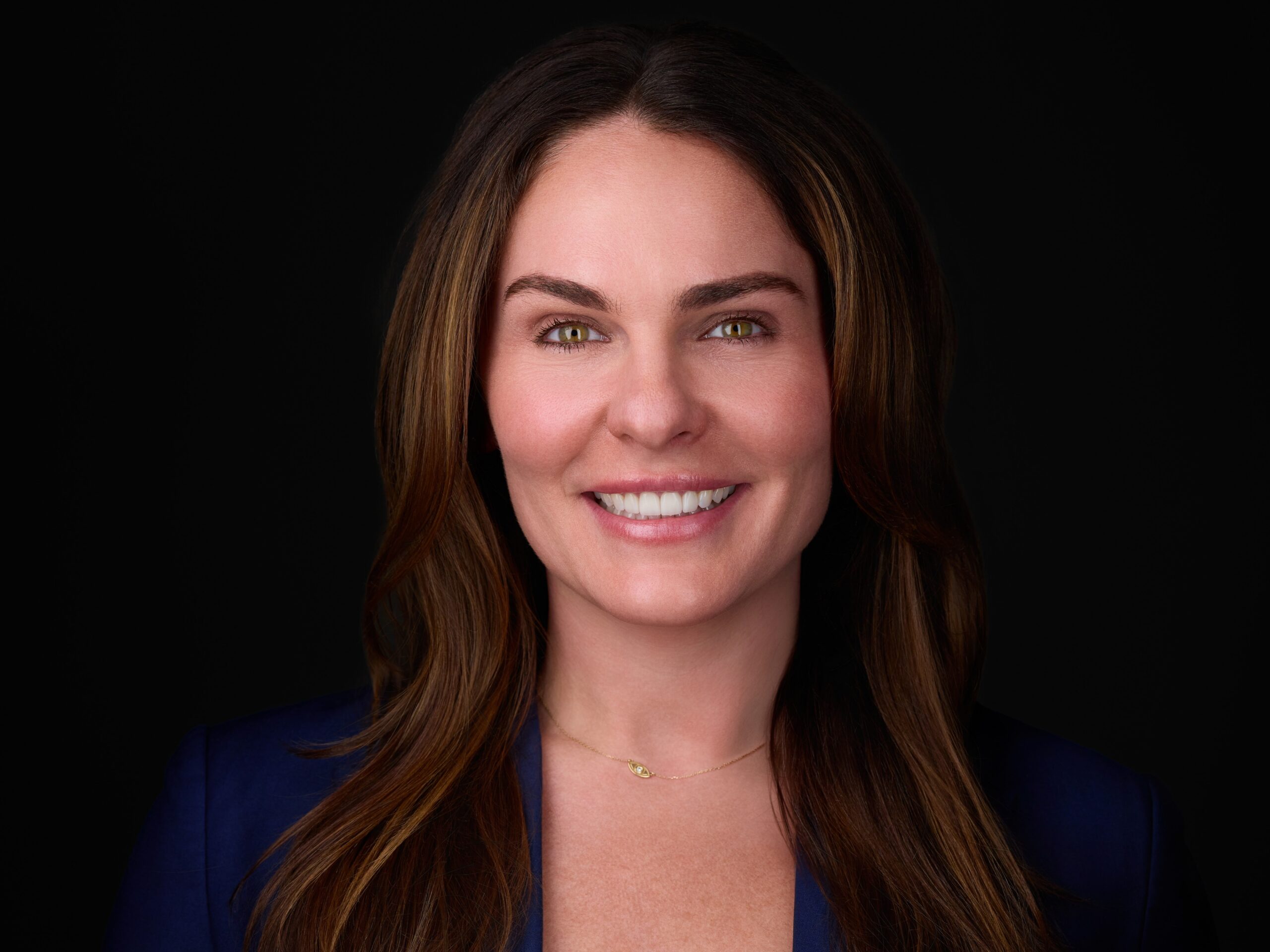
Melinda Daniel, vice president of workers’ compensation, Advocate Health
“We really believe that no outside organization can take care of our teammates or our organization the way we can,” Daniel said. For a health system of Advocate Health’s scale, that conviction carries real weight: an in-house team with deep institutional knowledge and a personal stake in the outcomes is simply better positioned to navigate the complexity of first-responder cases, clinical workplace injuries, and the full spectrum of conditions that arise in a workforce this size.
The integration brought together claims professionals from both legacy organizations, pairing decades of experience from each side with fresh perspective. Long-time staff that understood the political and cultural intricacies of their respective regions were matched with colleagues who brought new approaches and broader industry experience. The team itself became a model for what the program was trying to build: two groups becoming one, with individual strengths reinforcing the whole.
“Nobody does this work alone,” said Daniel. “We have an amazing team of professionals, adjusters with decades of experience, nurses, great administrative people and a very supportive senior leadership team. We brainstorm constantly to develop strategies that benefit teammates in the field and teammates doing this work.”
The Human Side of Change
The hardest part of the integration, Daniel is candid to acknowledge, wasn’t the logistics. It was the people.
“Change is hard. We’re humans, and we like things a certain way,” she said. ‘Navigating those change dynamics has probably been the biggest challenge, but while it’s hard, it’s been wildly worth it. The team is able to see and feel the importance of the work they do.”
Keeping teammates at the center of every decision has been the through line. When an injured worker files a claim at a hospital in Charlotte or a clinic in Wisconsin, the goal is identical: fast, fair, consistent support, and a team that’s personally invested in getting it right. An internal near-miss portal allows staff across the enterprise to flag safety concerns before they become injuries. Behavioral-based safety programs are rolling out systemwide. Virtual care options — telehealth visits, remote physical therapy — are being integrated to reduce barriers to treatment.
Late in 2026, the two legacy regions plan to migrate onto a single operating platform, completing the technological integration that underpins the program. It’s a milestone Daniel describes as a genuine turning point.
“Being on one single platform is going to really help us,” she said. “It’ll provide data analytics and claim solutions for the leaders and teammates. Our robust Teammate Safety program will utilize the platform for real time incident response and loss control across the Enterprise. These efforts have a ripple effect on our continued movement toward standard processes.”
Decades in the Making
Advocate Health’s workers’ compensation program has now been recognized on the national stage — by the National Self-Insured Group and by this award. Daniel appreciates that recognition but is even more excited about the work the team is doing.
“I’m most proud of the team themselves,” she said. “They’ve overcome a lot of change and have grown through it. This work is hard — you’re dealing with humans, emotions, laws and regulations all at the same time. It’s not for the weary. And this team has risen to the challenge — plus some.”
“What sets Melinda and her team apart was not only how committed she was when diving into the merger, but how invested she was in seeing it through to the successful program that it is today. She kept her team steady and engaged, kept the claims handling process moving forward, and most importantly, never lost sight of the people affected by the transition,” added Moyer.
The Theo, in Daniel’s view, is the result of something larger than any single initiative — the product of an organizational commitment to doing right by its workforce that stretches back well before the merger.
“This is a result of decades of doing the right thing — always — and keeping our teammates at the forefront,” she said. “It’s a win for everybody involved.”
At a system the size of Advocate Health, that may be the most ambitious goal of all, making sure that every one of 150,000 teammates, across six states and more than a thousand care sites, feels genuinely cared for when they need it most.
The work, as Daniel would be the first to say, continues. &

 The Theo Award celebrates its sophomore year, honoring 28 workers’ compensation programs for their excellence and service to workers across the nation. To learn more about the award and amazing qualities each winner possesses, visit here.