Newsletters
 Risk Central
 Digital Edition
6 Questions for Mike Zollenberg of HCS Network Solutions
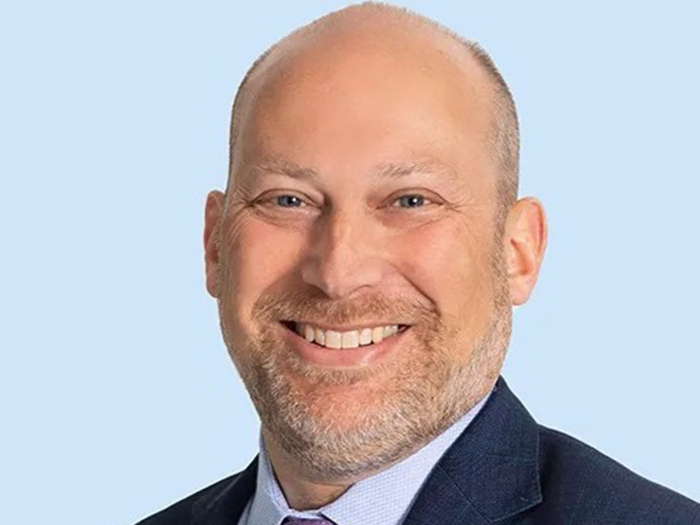
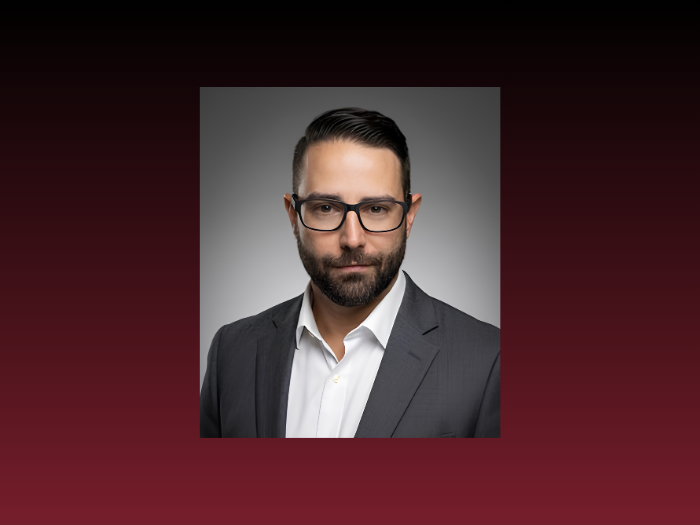
Dan Reynolds, the editor in chief of Risk & Insurance®, recently caught up with Mike Zollenberg, Vice President, Network Management and Strategy, HCS Network Solutions, By MedRisk. What follows is a transcript of that discussion, edited for length and clarity.
Risk & Insurance: Thanks for meeting with us, Mike. What is the role of data in building stronger provider relationships and achieving better outcomes?
Mike Zollenberg: One of the things that attracted me to HCS and MedRisk is the amount of data we have across all the MedRisk family of companies, not just HCS, but our other business units as well. Providers love data. They want to see it, and they want to know how they’re doing.
They want to know how they compare to their peers. When they see they’re at a certain percentage while others are performing at a higher level, they ask, “How do I get there?” The only way to help them improve is by showing them the data, and that leads to what we were talking about before with the partnership. That’s being proactive, not reactive.
Claims and clinical data allow us to show providers their return-to-work rates, treatment patterns, and how they compare to peers treating similar types of injuries. I find that far more productive than just a general performance review. Our provider relations team includes both clinical and operational staff. That includes nurses and physicians who can do peer-to-peer consultations and discuss what we’re seeing. It’s not just about processing claims.
R&I: From a physician or provider’s perspective, what defines a good relationship with a payer or network partner?
MZ: Physicians who want to do this work, who want to see patients, treat them, and get them back to work, need to feel like they’re being paid fairly and promptly. They don’t want to be buried in paperwork for things that are clearly going to be medically necessary. Why should they need to have that reviewed?
We try to treat providers as clinical partners rather than just a contract and a piece of paper with a number on it that says, “You do this code, you get paid this.” It’s more about working together and building trust. We’re not just another payer processing their claims.
Providers want responsiveness. They want a real person to talk to. If they can pick up the phone and call our provider relations — whether it’s the operations person because they’re having trouble with a claim or a clinical person because a review didn’t get put through —they’re not just going into some portal and talking to an AI bot. They’re able to get people who can actually help them.
R&I: How does a collaborative network provider relationship translate into better outcomes?
MZ: It’s what I was saying before. When providers trust you and they feel comfortable working with you and they want to be in your network, they stay. We’ve had providers in our network for years and years and years. It’s not a churning network because they trust us.
When providers trust us, they’re not fighting administrative friction. Care can start sooner, and they can get their approvals sooner. Injured workers or patients clearly feel that because the doctors are moving quickly, the teams are moving quickly, and there’s clear communication about their treatment plan. There’s no bouncing between providers who don’t know what the other is talking about — we’re helping to manage that between them.
Ultimately, it’s really just about getting people back to work quicker. That’s what this is all about. A collaborative experience is better for the patient, the physician, the practices, their managers, and the payers as well.
R&I: As you look ahead in your role, what strategic changes or trends do you anticipate in the industry?
MZ: I think there are three key areas that apply First, it’s value-based and/or outcome-based contracting. How do you grow those models? How do you manage high-cost injury claims or bundles such as spine or other complex orthopedic cases? The goal is to ensure everyone has some skin in the game beyond just processing claims.
Second, it’s data. We’re not there yet, but the question is how data gets shared between parties in real time. How do you get real-time clinical and claims data flowing back and forth between payer, provider, and employer? That exchange only improves outcomes.
Third, I think you’re going to see more narrowing of networks in this space — fewer providers, but better quality. These providers are measured and have real accountability based on their contracts and their ability to share data. You shrink those networks down so that providers who just want to see higher and higher pricing and costs may not be the ones we partner with. The ones who want to partner with us to drive the right pricing and the right outcomes — those are the providers we focus on as we narrow our networks.
R&I: Given the tremendous pressure on health care providers’ business models, particularly around staffing and sustainability, what is the outlook for maintaining an adequate network of providers willing to work within the workers’ compensation system?
MZ: I don’t completely know yet because I’m still learning some of the practices. But in my experience, you continue to find the doctors and practices that will work with you as you set up all the things we’re talking about.
If you’re making this a partnership, if you’re accessible, if you’re paying them right, if you’re providing them with data and the tools they need to be successful, and they don’t see you as a burden, they’re going to want to work with you. Where you lose providers is when they’re spending hours on the phone doing authorizations, trying to fix claims, or appealing everything because they didn’t feel they were paid right — they’re not going to work with networks, providers, or payers in those situations.
If you make it where they want to work with you, that’s what they’ll do, and they’ll like doing it.
R&I: What final thoughts would you like to share about HCS Network Solutions’ approach to network management?
MZ: I think it’s important to understand that HCS has built a tremendous network over many years, and we’re going to drive that to the next level through partnerships and relationships. We’re committed to maintaining and improving discounts for our clients, but we’re doing it in a way that drives quality.
While I mentioned narrowing networks, we are also going to strategically grow the network in places where we need it. This is about access — ensuring that an injured worker can get treatment. They can receive care from a provider close to them. &