After Russia invaded Ukraine, many airplane leasers were told to break their leases on their grounded planes stuck in Russia. Their insurance companies do not believe they are responsible for the property loss.
Forced return-to-office is a touchy topic. Shall we go back to how we used to work or rebuild the work world with employees’ health and wellbeing in mind?
Coordinating the human resources of claims organizations and making sure they can meet the ever-changing needs of clients is a front-burner issue in workers’ compensation.
Andrea Buhl, president of managed care operations for Sedgwick, offers her perspective on the factors impacting workforce resilience and what employers can do to support their people.
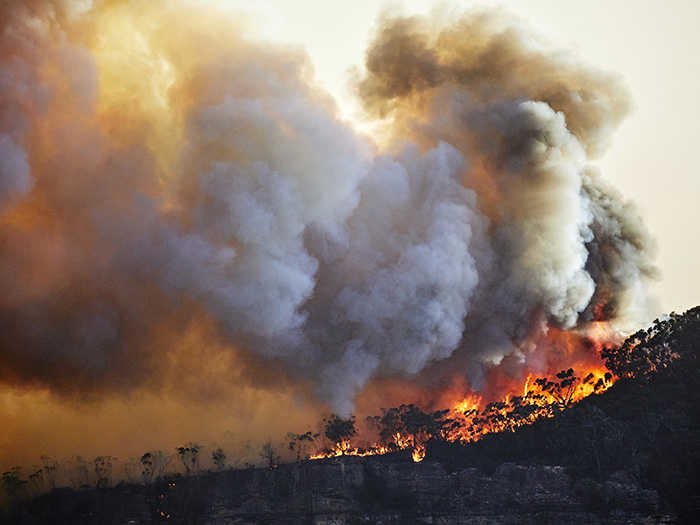
The fight against climate change is a complex one, and it will require unprecedented collaboration between businesses, governments and nations. Fortunately, trust and transparency is where blockchain technology excels.
New legislation in California redefines the limits for non-economic damages that result from medical negligence. What will these changes mean for insurers writing business in the state?
Workers’ Compensation Research Institute president and CEO John Ruser offers his perspective on the factors influencing inflation in workers’ comp claims: what’s driving costs up — and what’s helping to keep them down.
Mission critical risk denial can be costly. Disappointment and anger will affect all aspects of the company’s operations — including recruitment and retention of employees, revenues, litigation and cost of capital.
“I don’t know that we do enough with people to let them know what’s available and what kind of life you can live by being part of this great industry. I get up every morning looking forward to my work. I love what I do, and I think that’s important.”
“The industry does so much good work, and I don’t think we figured out how to lever that in society today and make the American public more aware of it! I think that’s probably the thing we need to talk about more.”
The Climate School’s curriculum was developed in collaboration with a range of experts to help professionals understand and confront the impact of climate change on the practice of risk management.